




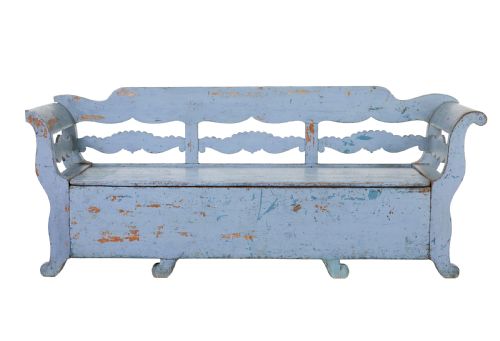
Antique Kitchen Box
These antique kitchen box pieces bring honest utilitarian craft into domestic spaces.
Antique Kitchen Box
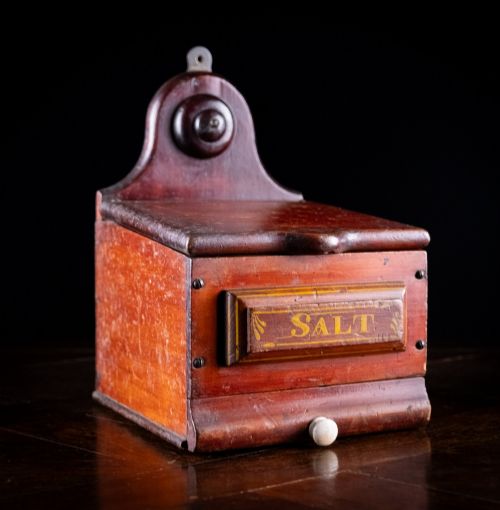
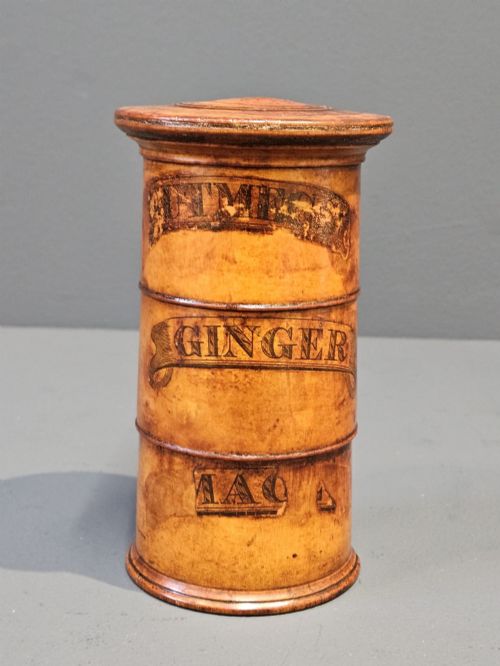
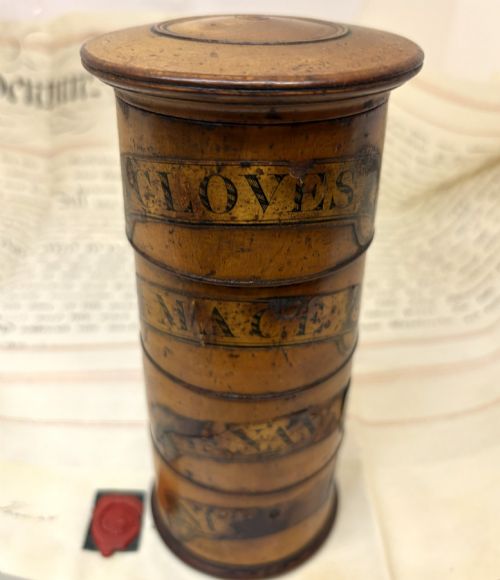
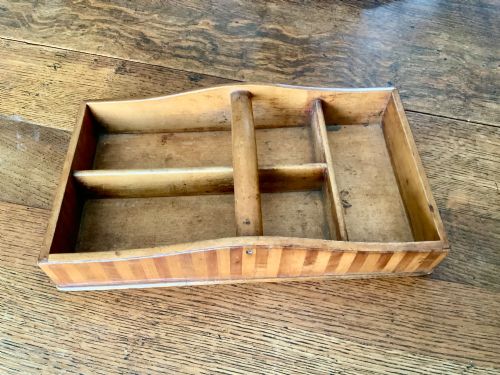
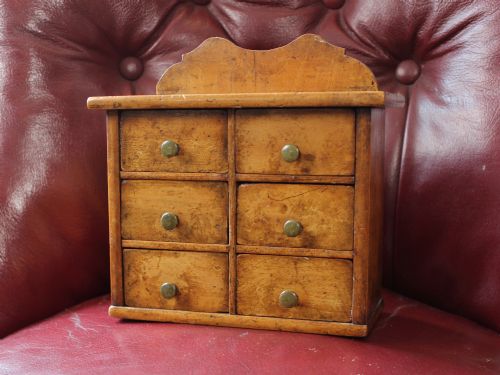
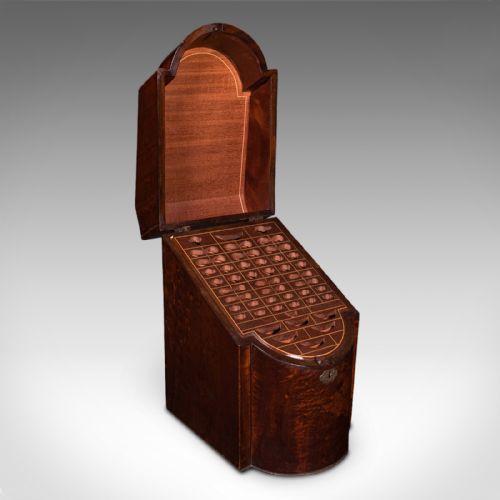
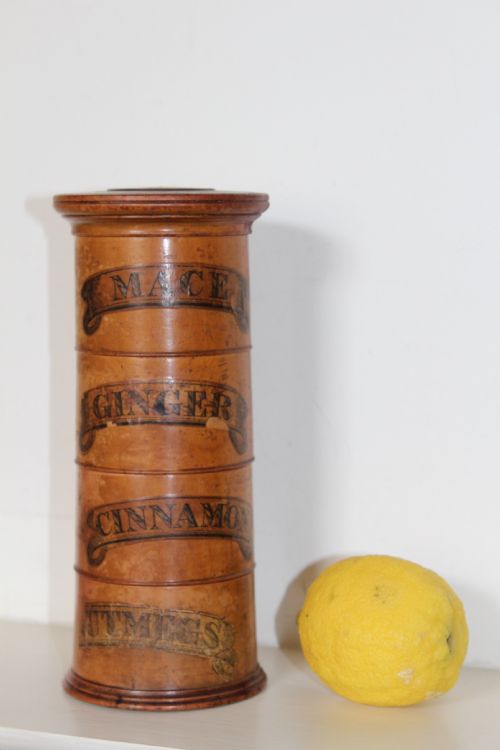
When you search for an antique kitchen box, you encounter practical timber containers designed for culinary storage and organisation in past centuries. These functional items range from wall-hanging spice boxes and towers to salt boxes and cutlery trays.
The most common examples appearing here belong to the nineteenth century and the Victorian era, constructed to serve everyday domestic tasks in country houses and farmhouses. Alongside dedicated storage containers, related utilitarian forms such as benches, bins, and small treen items frequently appear under this grouping.
Originating across English, Scottish, French, Scandinavian, and Hungarian traditions, these items reflect regional domestic habits and workshops. Buyers find both modest everyday pieces and more substantial country kitchen items.
Materials and construction
Woods such as pine, fruitwood, oak, and boxwood form the primary structure of these containers, often shaped with straightforward joinery suitable for heavy daily use. Iron bands, brass fixtures, and metal components provide structural reinforcement and functional hardware.
Many surfaces retain original paint finishes, showing the weathered patination accumulated through generations of domestic service. Treen items and smaller spice towers demonstrate careful turning and fitting of wooden components.
Antique Kitchen Box Retail Price Guide 2026
Typical asking prices for kitchen box among the pieces listed under this phrase on Sellingantiques today, from the lower quarter to the upper quarter. They describe what is for sale here now, not the wider market.
Listings feature items from the 1800s, Georgian, Victorian, and Edwardian periods, constructed primarily from pine, fruitwood, oak, and painted metal.
Distinctions in quality
The standard of an antique kitchen box depends on the integrity of its original timber and the survival of authentic surface finishes like early paint or natural wax patination. Pieces that retain their internal divisions, working drawers, and original hardware hold greater character.
Proportion and utility drive the distinction between standard utilitarian items and finer regional examples, where careful wood selection and skilled joinery elevate a humble storage container into a notable piece of country treen.
The Antique Kitchen Box Glossary
- Treen
- Small handmade wooden domestic objects and utensils. These items were carved or turned for everyday household tasks.
- Spice tower
- A vertical stack of compartments or drawers designed to hold culinary spices. They often feature rotating or sliding sections.
- Salt box
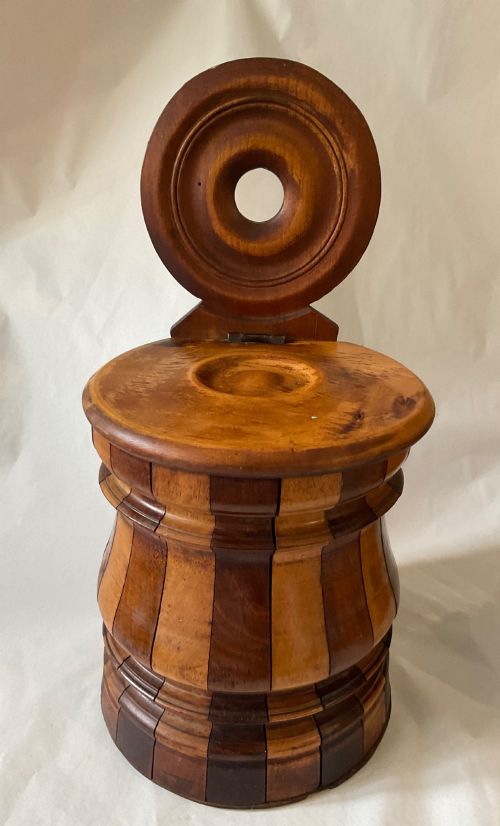
- A wall-mounted or freestanding container specifically shaped to keep salt dry and accessible in the kitchen. They typically include a hinged lid and a high backboard with a hanging hole.
- Toleware
- Japanned or painted metalware used for domestic containers and buckets. This technique provided a durable and decorative surface for utilitarian items.
- Cutlery tray
- A partitioned wooden tray used for sorting and carrying knives, forks, and spoons. These often feature a central upright carrying handle.
Antique Kitchen Box: Frequently Asked Questions
What were antique kitchen boxes used for?
These containers served specific storage functions in historic kitchens, holding dry goods, salt, spices, and cutlery.
Households relied on them to keep essential culinary items organised, protected from dampness, and close to the hearth.
How do I date an antique kitchen box?
Dating relies on examining the timber species, construction joints, tool marks, and any remaining surface paint or finish.
Comparing the form and hardware against documented styles from the Georgian, Victorian, and Edwardian periods helps narrow the timeframe of manufacture.
How should I clean and care for wooden kitchen containers?
Maintain wooden boxes and treen by dusting with a dry cloth and occasionally applying a light coat of natural beeswax to nourish the dry timber.
Avoid exposing old wood to direct sunlight, excessive heat, or moisture, which can cause splitting and damage historic painted surfaces.
Where were these kitchen boxes made?
Makers across England, Scotland, France, Sweden, and Hungary produced these utilitarian items for local domestic use.
Regional differences in timber availability and traditional joinery methods often indicate the specific geographic origin of a piece.