


Antique Kitchen Board
These pieces known as an antique kitchen board span centuries of utilitarian design, offering practical surfaces that anchor a rustic interior.
Antique Kitchen Board
An antique kitchen board typically takes the form of a sturdy prep table or pot board surface designed for daily culinary labour. Buyers search for these items to introduce genuine functional history and robust timber grain into modern spaces.
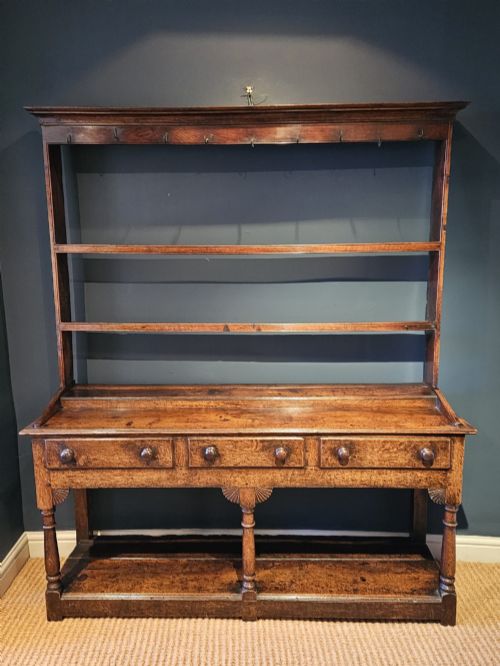
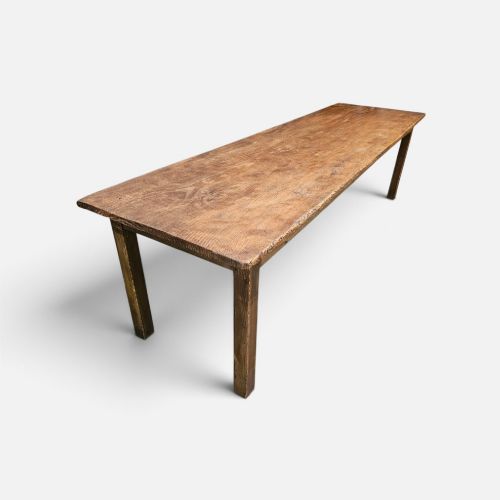
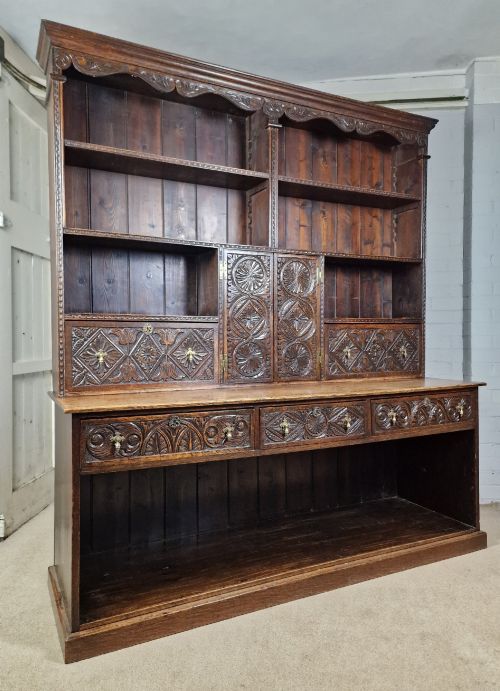
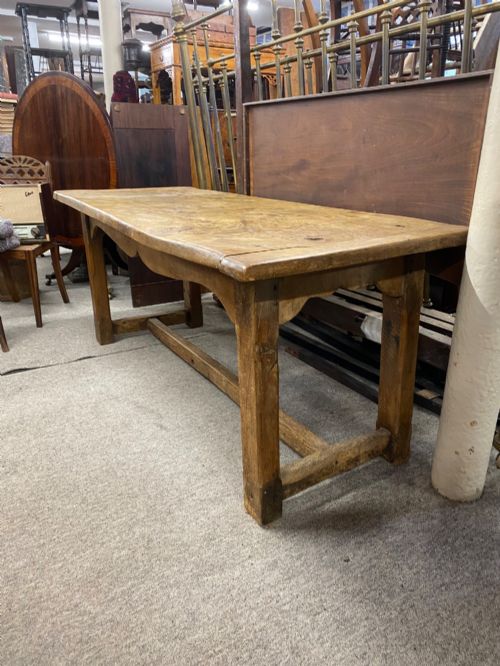
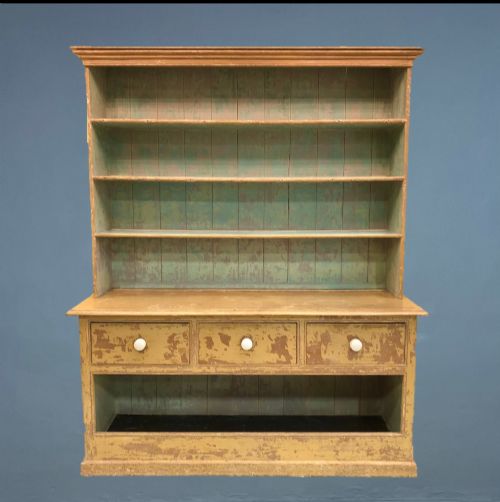
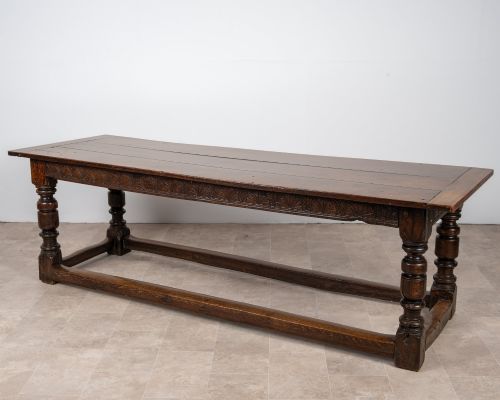
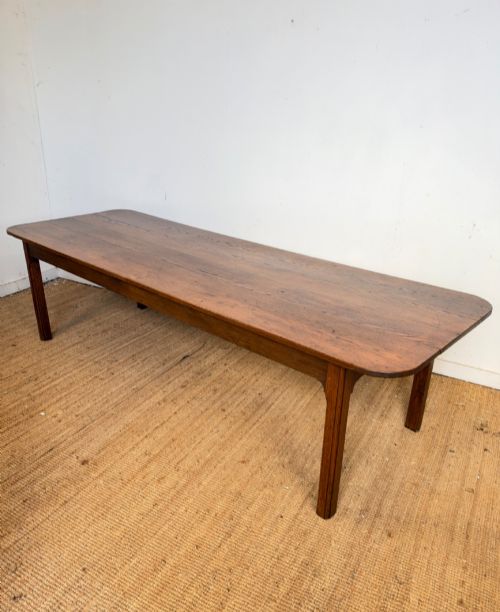
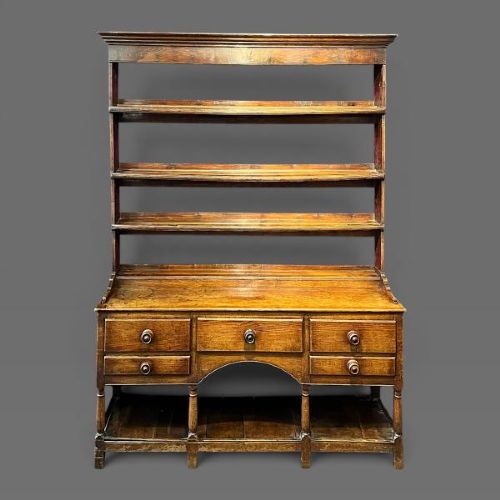
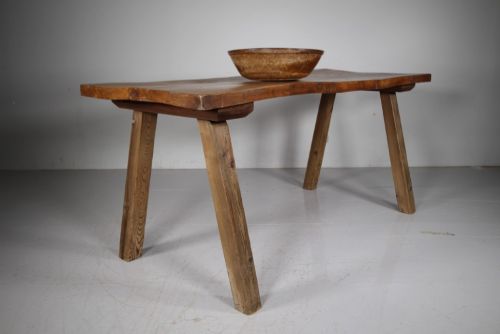
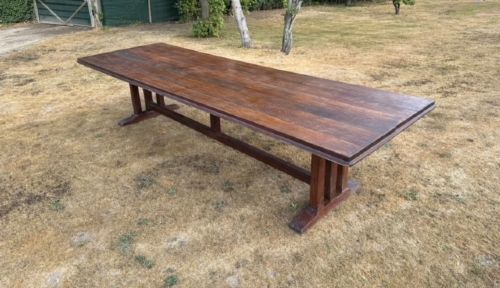
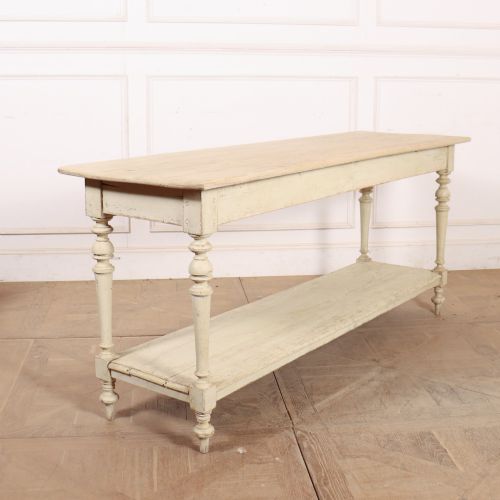
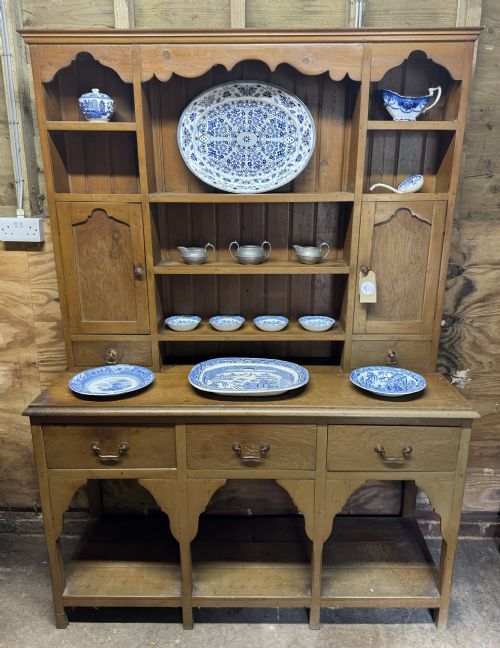
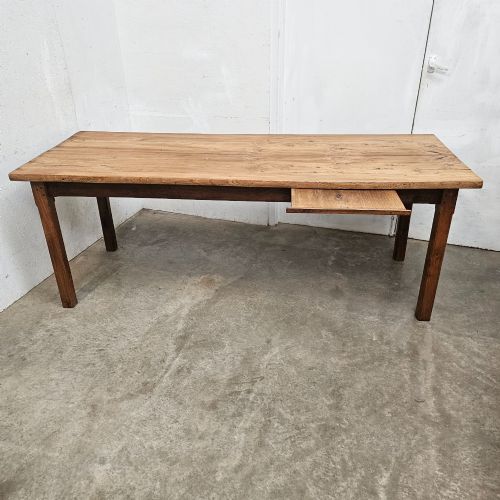
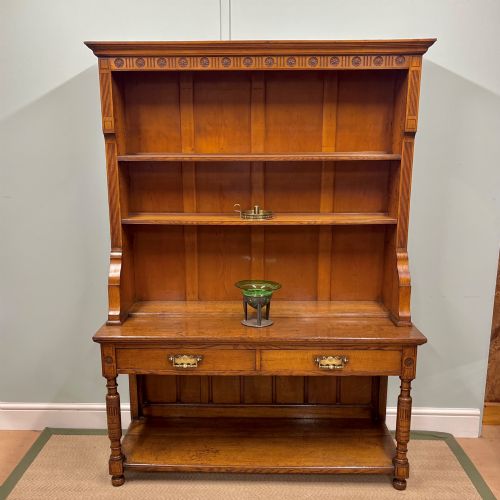
The selection centres heavily upon robust dressers, refectory tables, and drapers tables spanning from the eighteenth century through to the early twentieth century. Most examples manifest in vernacular formats developed for regional domestic use in England, Wales, and France.
Domestic timber preparation surfaces often feature integrated sliding bread boards or pot shelves designed for storing heavy crockery. These configurations reflect the straightforward spatial economy demanded by historical kitchens.
How they were made
Constructors relied on native timbers such as oak, elm, pine, and walnut, selecting dense boards capable of withstanding heavy daily chopping and kneading. Two-board top constructions appear frequently, joined tightly to create a stable flat expanse.
Makers reinforced structural integrity using pegged mortise and tenon joints, supplemented occasionally by modest iron or brass fittings. Surfaces often retain traces of early paint or accumulated wax patination built up through decades of domestic application.
Antique Kitchen Board Retail Price Guide 2026
Typical asking prices for kitchen board among the pieces listed under this phrase on Sellingantiques today, from the lower quarter to the upper quarter. They describe what is for sale here now, not the wider market.
What varies in quality
Quality rests upon the degree of untouched surface preservation and the integrity of the original timber framing. Pieces retaining their early patinated finish or original pot board lower tiers command greater attention from purists.
Proportion and scale distinguish superior regional vernacular pieces from standard utilitarian outputs. Well-balanced proportions in smaller Welsh dressers or cleanly executed cabriole legs on French tables elevate the visual weight of the furniture.
The Antique Kitchen Board Glossary
- Pot board
- A low open shelf positioned beneath a dresser base or table, originally utilised for storing heavy pots and pans off the damp stone floor. This shelf provides substantial structural bracing to the legs.
- Drapers table
- A long, wide table featuring a flat timber top and frequently an open lower shelf, originally built for displaying fabrics in mercantile shops. These tables translate easily into generous kitchen prep surfaces.
- Vernacular
- Architecture or furniture built by local craftsmen using traditional regional methods and native materials, uninfluenced high-style academic design. This approach yields honest, unpretentious domestic objects.
- Patina
- The deep surface sheen and rich coloration developed over decades through oxidation, handling, and wax polishing. This quality marks genuine age and cannot be easily replicated by artificial means.
- Refectory table
- A long dining table traditionally utilised in communal dining halls and later adopted for domestic kitchens. Their elongated proportions accommodate multiple diners comfortably.
Antique Kitchen Board: Frequently Asked Questions
How do I clean an antique wooden table top?
Maintain timber surfaces by dusting with a dry cloth and applying natural beeswax sparingly to nourish the grain. Avoid harsh chemical cleaners that strip the historic patination.
Protect the wood from excessive moisture by using coasters and wiping up spills promptly. Gentle care preserves the historical integrity of the surface.
Can I use an antique dresser in a modern kitchen?
These pieces integrate smoothly into contemporary spaces by providing functional display shelving and practical storage for everyday tableware. Their sturdy timber construction handles modern culinary activity comfortably.
Position furniture away from direct heat sources and sudden temperature fluctuations to prevent timber movement. Simple placement allows historical utility to serve modern routines.
What is the difference between oak and pine dressers?
Oak offers exceptional density, a prominent grain structure, and dark patination associated with earlier eighteenth-century vernacular pieces. It provides robust durability for heavy domestic use.
Pine presents a softer, paler aesthetic often found in nineteenth-century painted or scrubbed regional furniture. This timber takes paint finishes readily, yielding a brighter country house appearance.
How do I identify a Welsh dresser?
Welsh dressers typically combine an open plate rack on top with a base containing drawers and a lower pot board or cupboard doors. They frequently utilise native oak and display characteristic regional carpentry details.
The integration of specific proportions and local timber choices distinguishes these pieces from standard English or continental equivalents. Their configuration reflects specific regional storage traditions.