





Antique Katana Sword
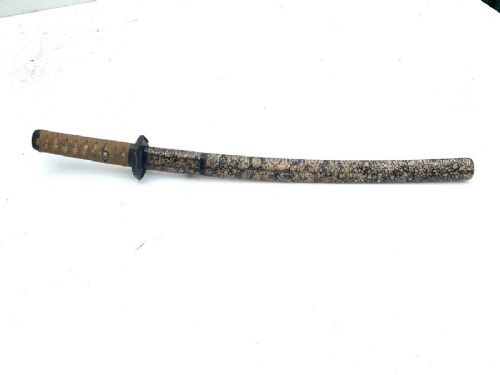
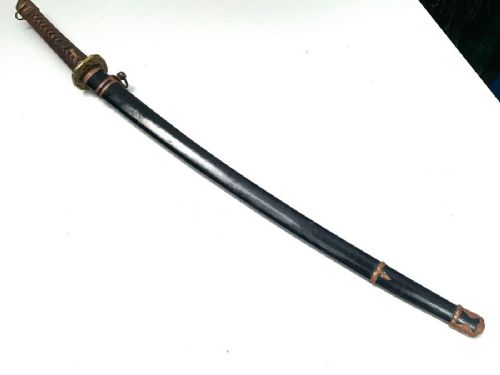
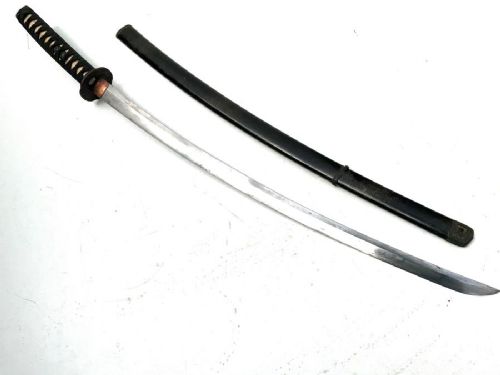
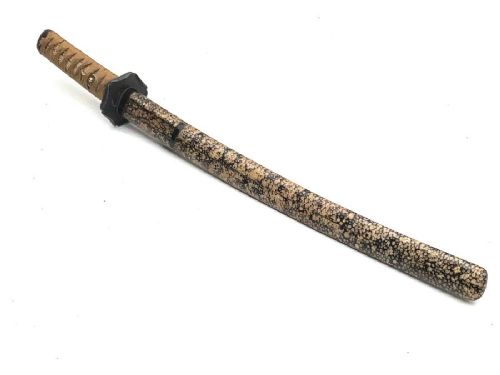
An antique katana sword brings centuries of steel, iron, and lacquered wood into the hand, offering tangible history from samurai eras through military campaigns.
Antique Katana Sword
When you search for an antique katana sword, you encounter edged weapons, tsuba guards, and fittings spanning the Muromachi period, Edo period, Meiji period, and Showa period. These items range from early koto blades and tachi swords to later military officers' swords and iron guards.
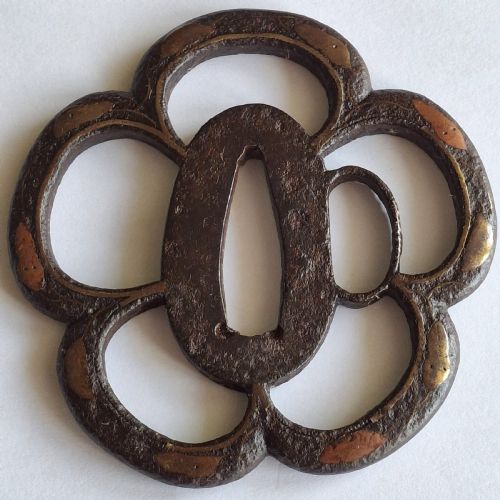
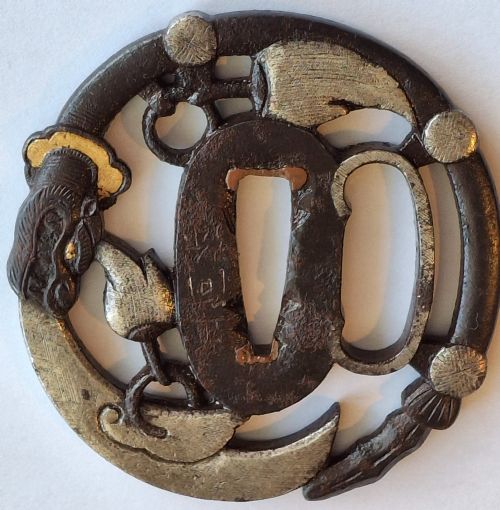
The versions most commonly met on this page include Edo period pieces alongside Showa period military swords and individual sword guards made of iron, bronze, or copper inlay. Each form reflects distinct periods of Japanese craftsmanship and military utility.
Collectors examine objects categorized under swords, edged weapons, and sword fittings to understand the full lineage of Japanese bladed traditions. The selection bridges functional combat weaponry and artistic mounting accessories.
How they were made
Makers shaped these pieces using steel and iron for the blades and guards, combining strength with functional durability. Craftspeople applied ray skin, lacquer, and lacquered wood to handles and mountings for grip and preservation.
Artisans incorporated brass, silver, and copper inlay to decorate sword fittings and tsuba guards with high relief motifs and folklore scenes. These mixed materials required specialised metalworking and carving techniques honed across centuries.
Current listings feature items spanning the Muromachi, Edo, Meiji, and Showa periods, utilising steel, iron, ray skin, and lacquer.
What varies in quality
The standard of an antique katana sword or associated fitting rests on the precision of the metalwork, the clarity of signatures, and the integrity of the materials. Pieces featuring detailed copper inlay, high relief carving, or cloisonne enamel show higher artisanal input.
The execution of the guard design and the preservation of steel, iron, and lacquered wood distinguish standard items from exceptional examples. Signatures by makers like Yukihiro add an identifiable level of recorded authorship to the piece.
Yukihiro
The Antique Katana Sword Glossary
- Katana
- A traditional Japanese curved, single-edged sword used by the samurai. This term defines the primary bladed weapon form seen across these listings.
- Tsuba
- A guard positioned at the base of the blade on Japanese swords. These circular or irregular plates protected the hand and balanced the weapon.
- Tachi
- An earlier style of Japanese sword worn suspended edge-down from the waist. Pieces from the Muromachi and seventeenth-century periods often take this form.
- Koto
- A term denoting old swords produced before the new sword period. These pre-sixteenth-century blades represent early forging traditions.
- Edo Period
- The historical period spanning from the early seventeenth to the mid-nineteenth century in Japan. Many iron tsuba guards and samurai swords originate from this era.
Antique Katana Sword: Frequently Asked Questions
What periods do these swords come from?
The listings encompass items from pre-sixteenth century koto blades to Edo period samurai weapons and Showa period military pieces.
Chronological variations also include Meiji period objects and specific dates around seventeen-fifty and nineteen-forty.
What materials make up the tsuba guards?
Guards are constructed from iron, bronze, and brass, frequently incorporating copper inlay, silver, and cloisonne enamel.
These metals support high relief carvings and depictions of Japanese folklore and dragons.
How do tachi swords differ from katanas?
Tachi swords represent earlier forms often associated with the Muromachi and seventeenth-century periods, traditionally worn suspended edge-down.
Katanas emerged later as standard samurai sidearms worn edge-up through the belt.
Are military swords from World War Two included?
Yes, listings include Showa period military pieces such as officers' swords and chin-gunto examples.
These items represent the later operational use of Japanese sword designs during the twentieth century.