



Antique Kashmiri Lacquerware
Antique kashmiri lacquerware brings vibrant hand-painted pattern and rich texture into a room, offering striking traditional forms for any interior.
Antique Kashmiri Lacquerware
Antique kashmiri lacquerware encompasses a fascinating variety of decorative items originating from Kashmir and Anglo-Indian contexts. These objects reflect traditional craftsmanship through distinct regional styles and hand-painted surfaces.
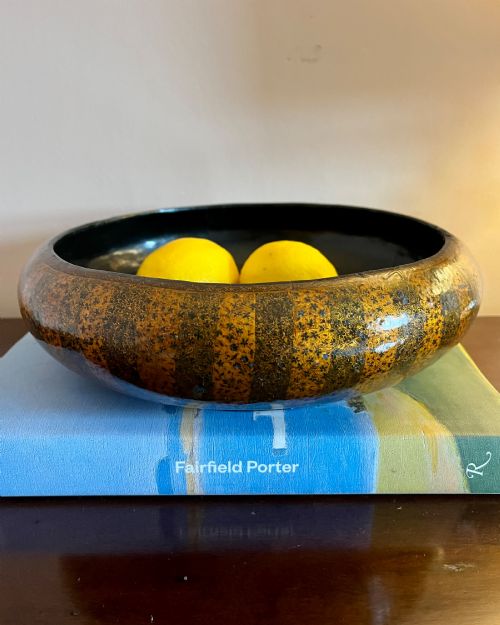
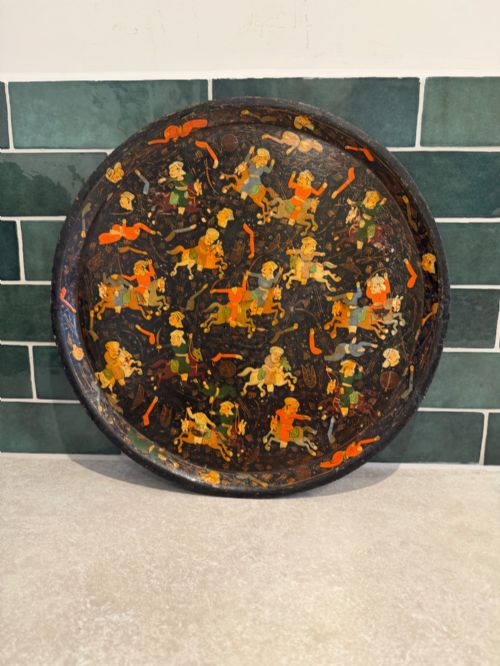
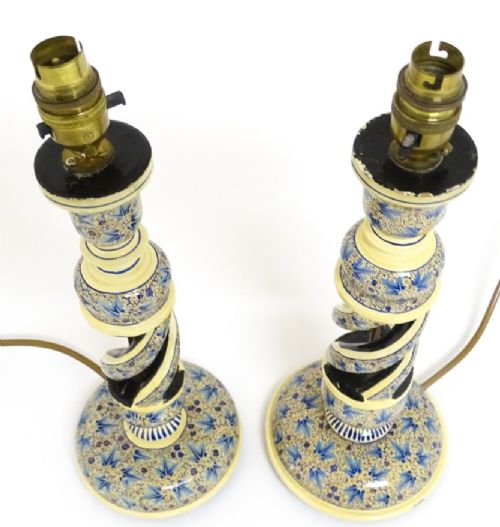
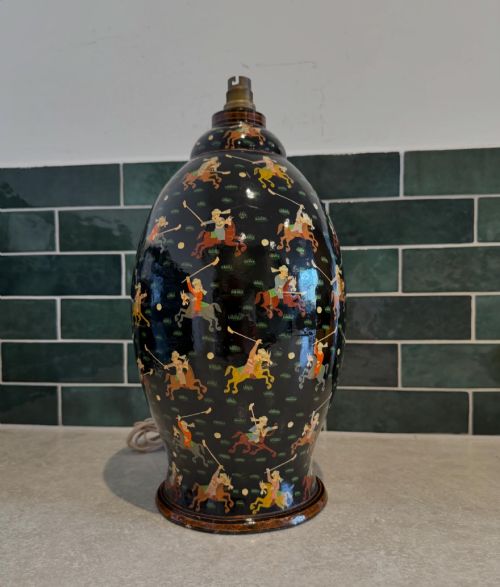
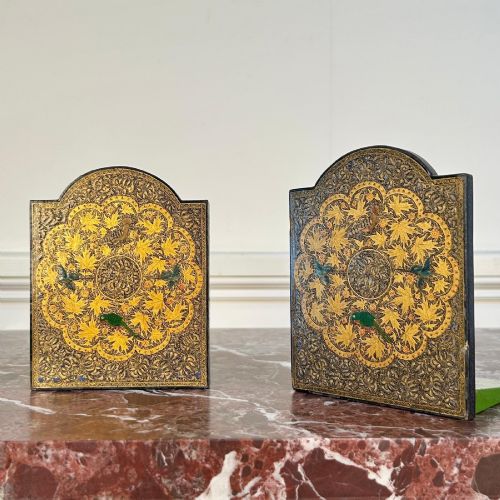
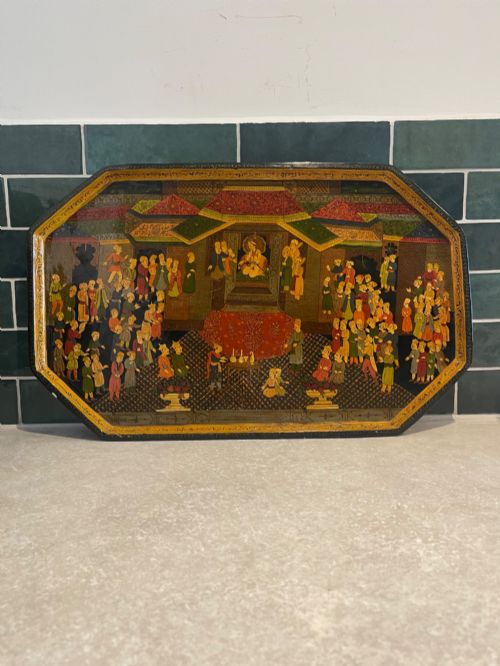
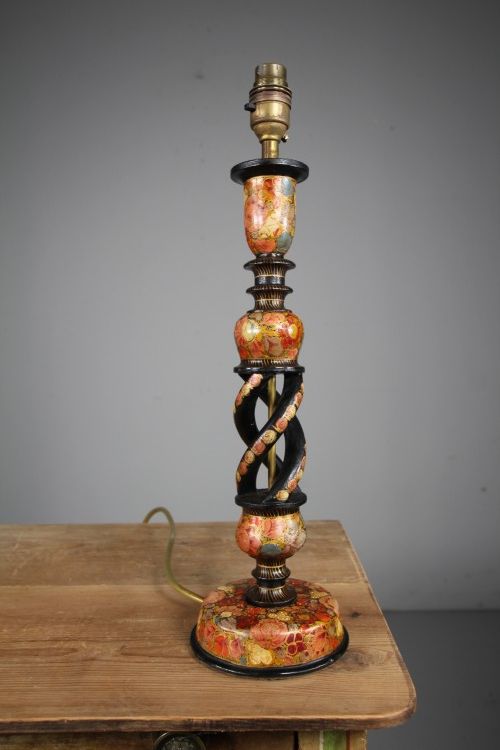
Buyers will encounter functional and decorative forms such as table lamps, decorative bowls, bookends, trays, vases, lidded pots, and boxes. These pieces range across the nineteenth century, the Edwardian era, and the early decades of the twentieth century.
How these pieces were constructed
Makers utilised wood and papier-mache as the primary foundational materials for shaping vessels, trays, lamps, and boxes. These structured cores provided a smooth canvas suited for intricate surface decoration.
Artisans applied paint and pigment directly onto the objects, often sealing the work with lacquer. Additional elements such as brass or fabric sometimes feature in the construction of these decorative items.
Antique Kashmiri Lacquerware Retail Price Guide 2026
Typical asking prices for kashmiri lacquerware among the pieces listed under this phrase on Sellingantiques today, from the lower quarter to the upper quarter. They describe what is for sale here now, not the wider market.
Current listings feature items from the nineteenth century, Edwardian era, and the 1920s and 1930s, utilising wood, papier-mache, and paint.
What sets the quality apart
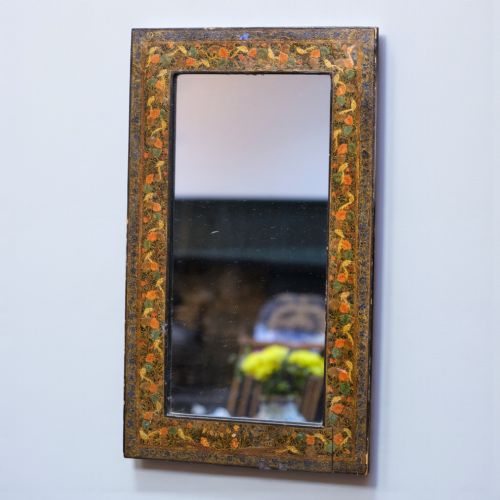
The precision and detail of the hand-painted birds, foliage, and traditional motifs distinguish finer examples from simpler work. Painted surfaces executed with greater control and depth demonstrate superior workshop skill.
The integrity of the underlying papier-mache or wooden form, alongside the preservation of the original pigment and lacquer finish, dictates the overall standing of an individual piece.
The Antique Kashmiri Lacquerware Glossary
- Papier-mache
- A composite material made from paper pulp or layers of paper reinforced with glue, forming the lightweight core of many Kashmiri vessels. It offers a smooth surface ideal for detailed miniature painting.
- Lacquer
- A clear or coloured protective coating applied over painted wooden and papier-mache surfaces. This finish enhances durability and deepens the appearance of underlying pigments.
- Anglo-Indian
- A stylistic descriptor reflecting the artistic exchange between British tastes and traditional Indian craftsmanship during the colonial period. It often appears in pieces produced for export markets.
Antique Kashmiri Lacquerware: Frequently Asked Questions
What items are made in antique kashmiri lacquerware?
The available selection includes table lamps, decorative bowls, bookends, and trays. You will also find vases, lidded pots, and graduated sets of decorative boxes.
These pieces showcase traditional hand-painted ornamentation created across the nineteenth and early twentieth centuries.
How do I care for papier-mache lacquerware?
Keep these delicate objects away from direct sunlight and excessive moisture to protect the painted pigments and lacquer coating. Dust them gently with a dry, soft cloth.
Avoid using liquid cleaners or abrasive materials that could scratch or dissolve the historic surface finish.
What periods do these pieces date from?
The inventory spans the nineteenth century, including Edwardian examples and pieces dated around 1900, 1920, and 1930. Earlier items date back to the late nineteenth century around 1880.
Each period exhibits specific characteristics rooted in traditional Kashmiri and Anglo-Indian craftsmanship.
How can I identify Kashmiri lacquerware?
Look for distinctive hand-painted motifs featuring birds, foliage, and traditional patterns across wooden or papier-mache structures. The combination of vivid pigments under a protective lacquer is characteristic of this regional work.
Forms range from practical table lamps to decorative vessels and lidded pots.