


Antique Jewelry Pendant
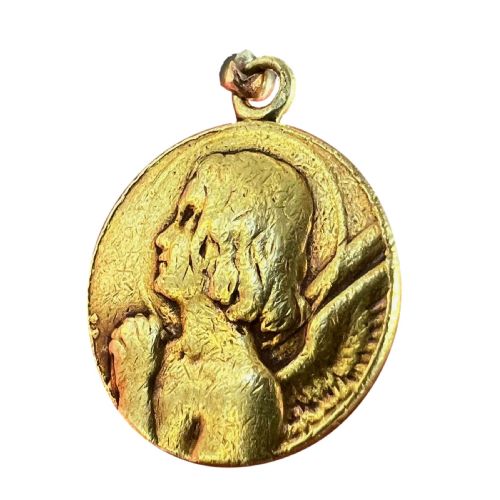
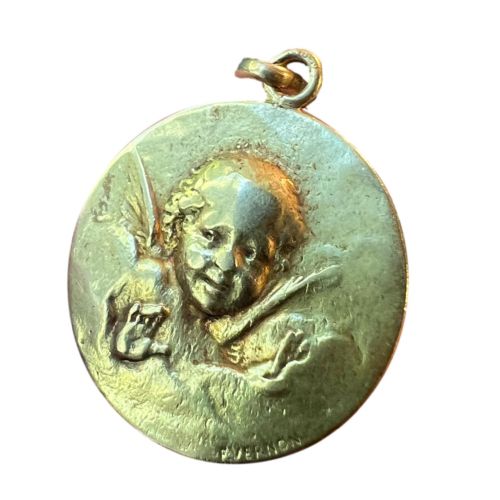
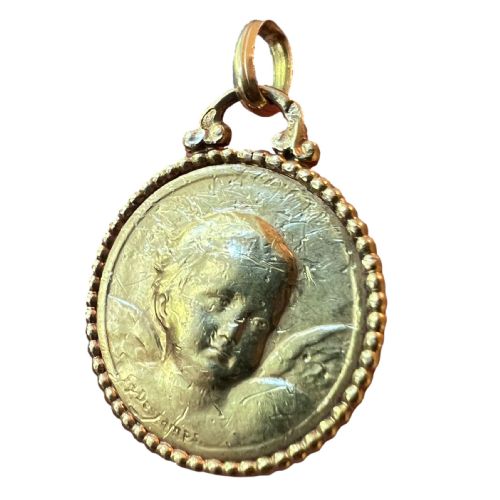
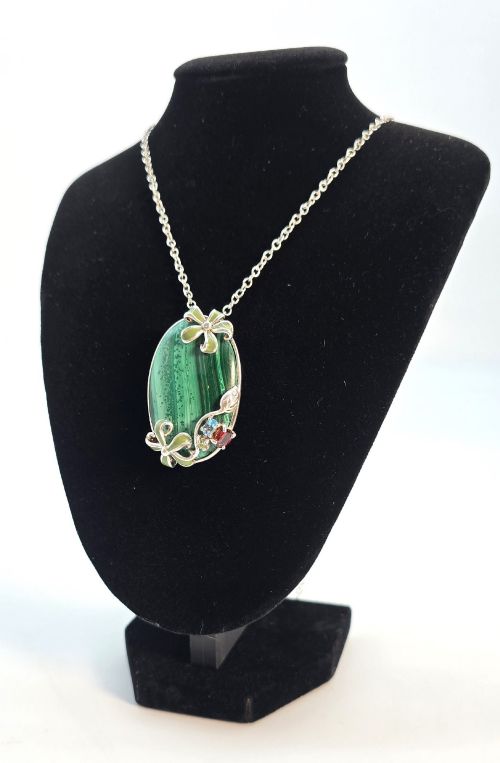
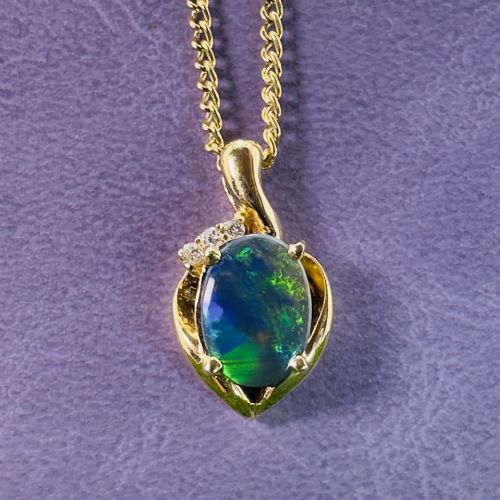
An antique jewellery pendant brings the distinct hand of past centuries to the neckline, offering wearable art formed in gold, platinum, and silver.
Antique Jewelry Pendant
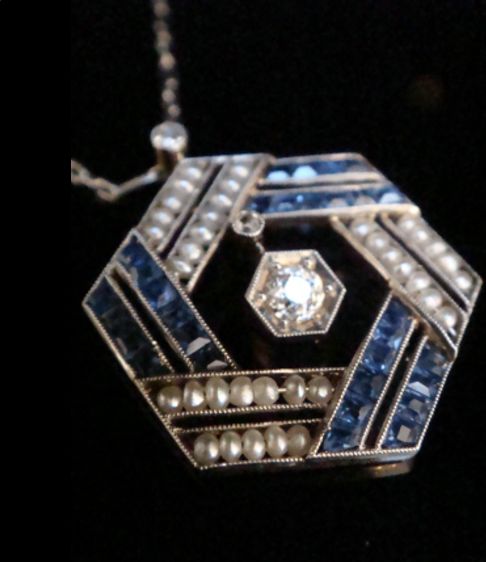
An antique jewellery pendant encompasses a broad span of decorative neck ornaments originating from the Victorian, Edwardian, and Art Deco periods, alongside earlier 19th Century examples. Buyers examining this selection encounter various interpretations of historical design, ranging from delicate floral motifs to geometric arrangements.
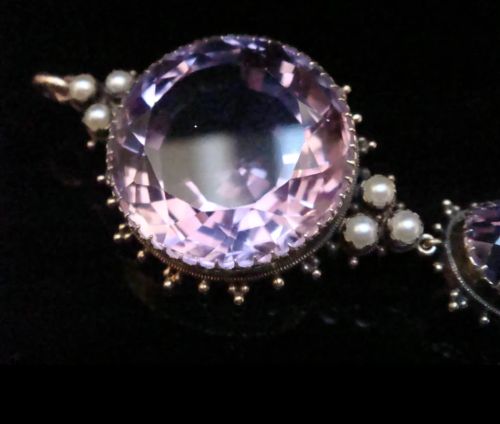
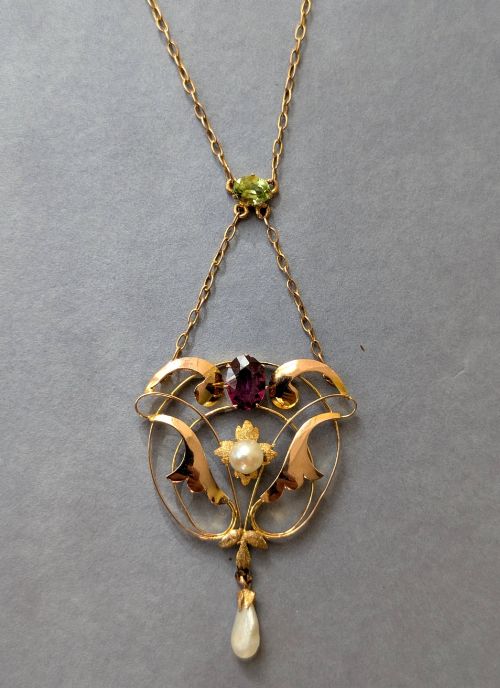
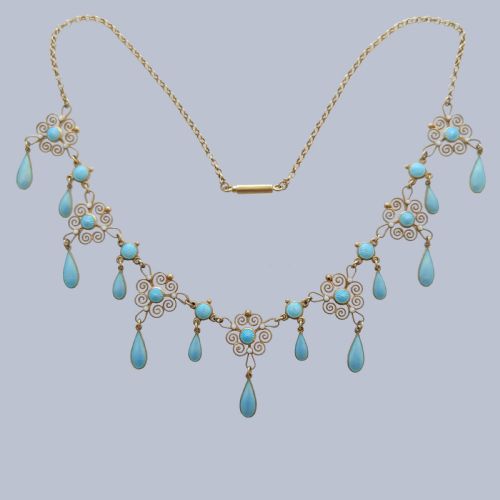
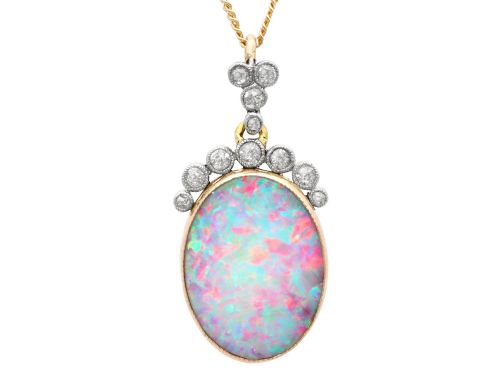
The version most commonly met on this page is the Edwardian or Art Nouveau gold pendant, frequently set with peridots, seed pearls, or diamonds. These pieces often exhibit openwork frames and flowing botanical lines characteristic of early twentieth-century craftsmanship.
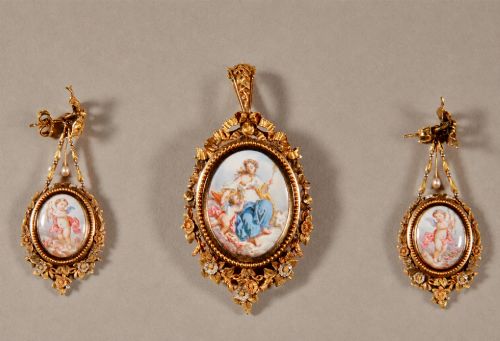
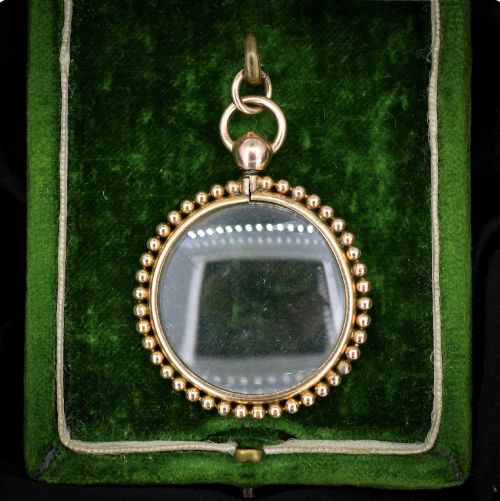
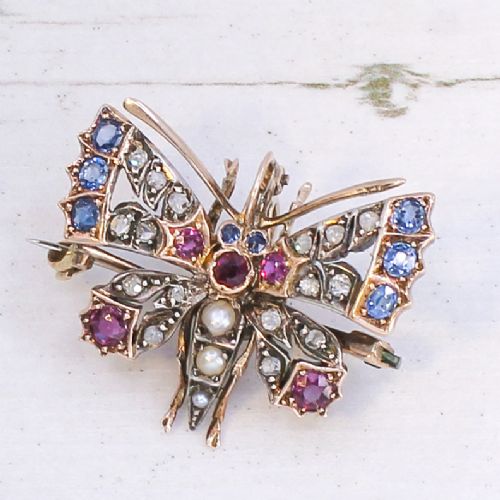
Beyond standard drop pendants, the selection includes convertible brooch-pendant combinations, locket forms, and heart-shaped padlock designs. Each object reflects the prevailing aesthetic preferences of its decade of origin, from Georgian severity to the elaborate ornamentation of late Victorian work.
Materials and Technique
Metals employed in these pieces range from 9ct and 15ct yellow and rose gold to platinum and sterling silver, reflecting the metallurgical standards of their respective decades. Artisans shaped these precious metals through casting, wirework, and intricate piercing to create lightweight yet durable suspension frames.
Gemstone setting relied on hand-cut diamonds, rubies, sapphires, peridots, and zircons secured by collet, bezel, or grain settings. Enamelling techniques, including plique-à-jour, added translucent colour to silver and gold frameworks, complementing natural pearls and micromosaic panels.
Antique Jewelry Pendant Retail Price Guide 2026
Typical asking prices for jewelry pendant among the pieces listed under this phrase on Sellingantiques today, from the lower quarter to the upper quarter. They describe what is for sale here now, not the wider market.
Listings feature yellow gold, rose gold, white gold, platinum, and silver alongside diamonds, peridots, zircons, and natural pearls.
Markers of Quality
Superior quality in an antique jewellery pendant is visible in the precision of the metalwork and the integration of the stones. Master workshops executed openwork frames with clean, symmetrical piercing and secure, flush settings that held gemstones firmly without excess metal obscuring the material.
The distinction between ordinary and exceptional work also lies in the artistic conception of the design and the selection of matching stones. Pieces originating from notable designers or documented firms demonstrate superior handling of enamel, balanced proportions, and careful material pairing.
Charles Horner·Henry Miault·Archibald Knox·Liberty and Co·Murrle Bennett
The Antique Jewelry Pendant Glossary
- Pendant
- A decorative ornament suspended from a chain or cord around the neck. These items range from simple gemstone drops to elaborate multi-stone compositions.
- Platinum
- A dense, ductile precious metal used extensively in Edwardian and Art Deco jewellery for its strength and bright white lustre. It allowed jewellers to create ultra-fine settings for diamonds.
- Plique-à-jour
- An enamelling technique where enamel is applied to open cells without a backing, creating a stained-glass effect that lets light pass through the transparent colour.
- Seed pearl
- A very small natural or saltwater pearl, often used in clusters or fringes in Victorian and Edwardian pearl and peridot jewellery.
- Micromosaic
- A detailed pictorial mosaic assembled from tiny glass tesserae, popular during the Grand Tour period for scenic and floral subjects.
Antique Jewelry Pendant: Frequently Asked Questions
How do I date an antique pendant?
Dating relies on stylistic clues, such as the flowing organic lines of Art Nouveau or the geometric symmetry of Art Deco, combined with metal types and hallmark stamps.
Examination of the gemstone cuts, such as old mine cuts versus modern brilliants, also helps narrow down the period of manufacture.
Can these pendants be worn daily?
Most gold and platinum pieces from the Victorian and Edwardian eras are robust enough for regular wear, provided they receive appropriate care.
Items featuring delicate enamel work or soft organic gems like pearls require more careful handling to prevent surface damage.
How do I choose the right chain?
Selecting a chain involves matching the metal colour and weight of the pendant to a period-appropriate or complementary neck wire.
Heavier platinum and diamond pieces typically require a sturdy white gold or platinum chain, while lighter Edwardian gold drops suit finer links.