
Antique Jewellery Gold Chain
An antique jewellery gold chain carries the substance of nineteenth and twentieth-century goldsmithing, offering substantial weight and distinctive links.
Antique Jewellery Gold Chain
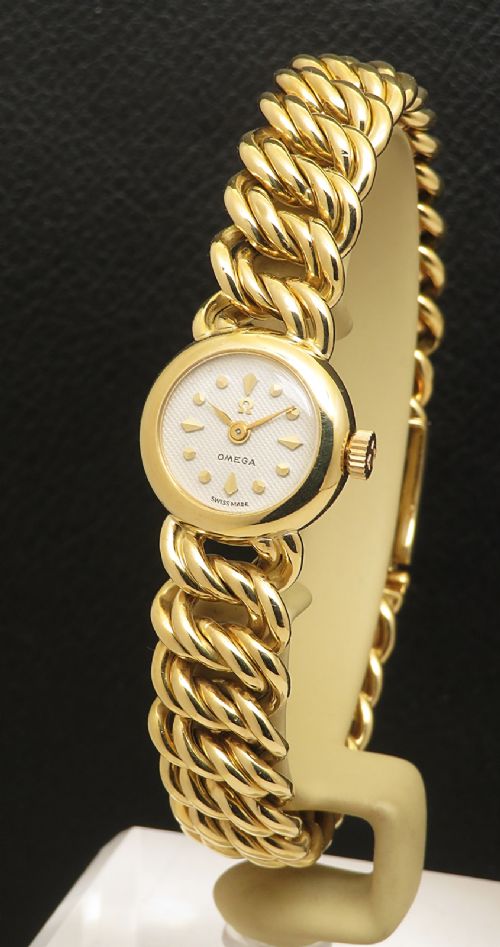
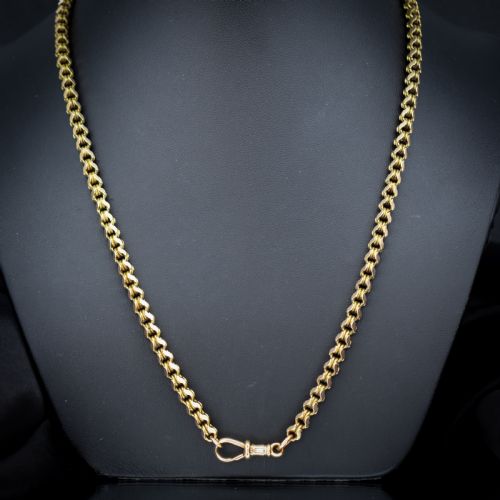
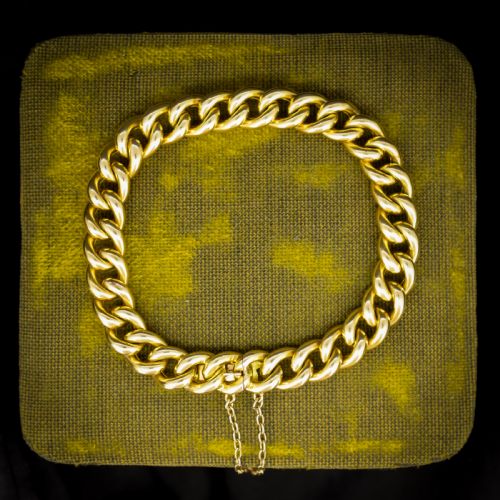
When you search for an antique jewellery gold chain, you encounter neck chains, longuards, watch chains, and bracelets originating from the Victorian, Edwardian, and Art Deco periods, alongside mid-century examples.
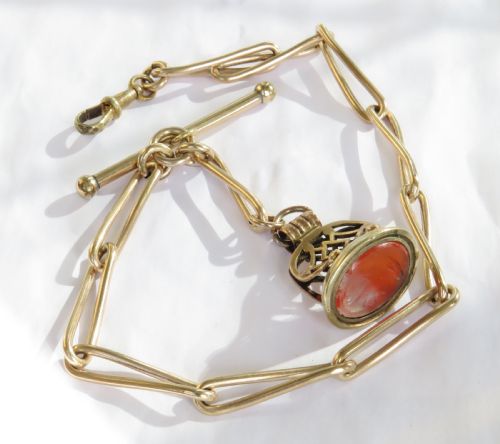
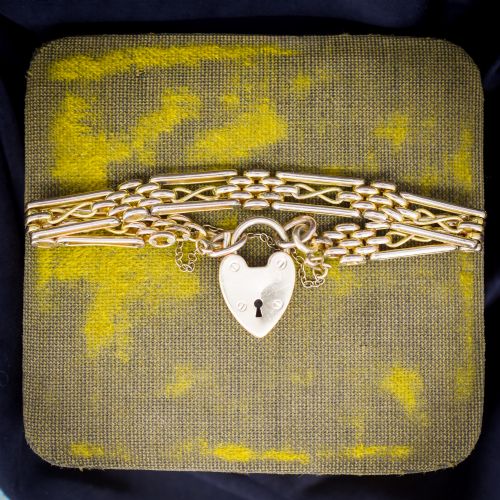
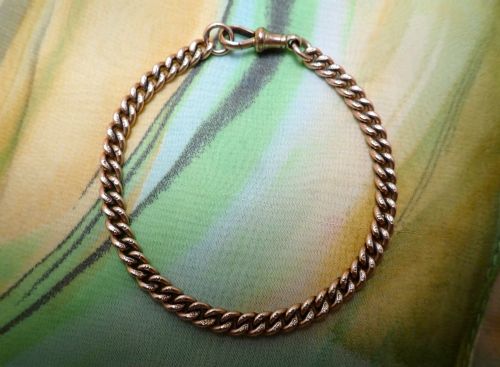
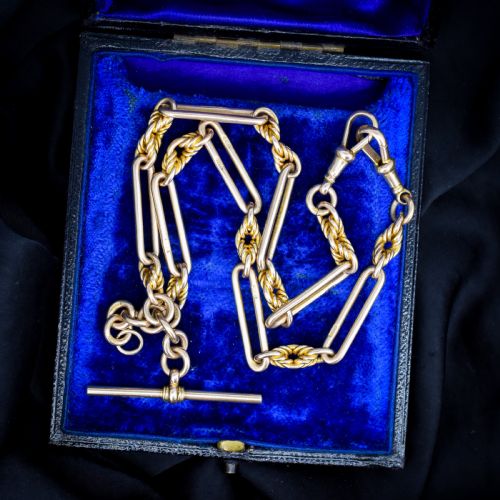
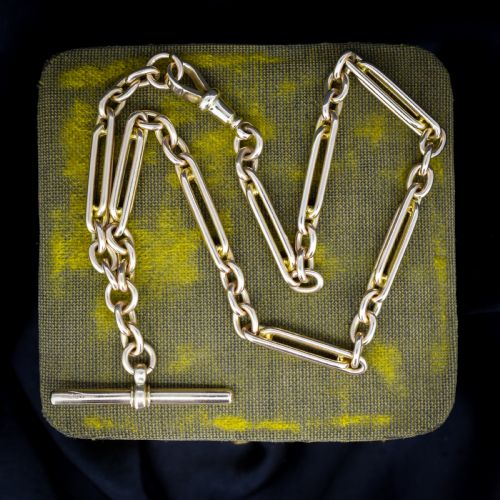
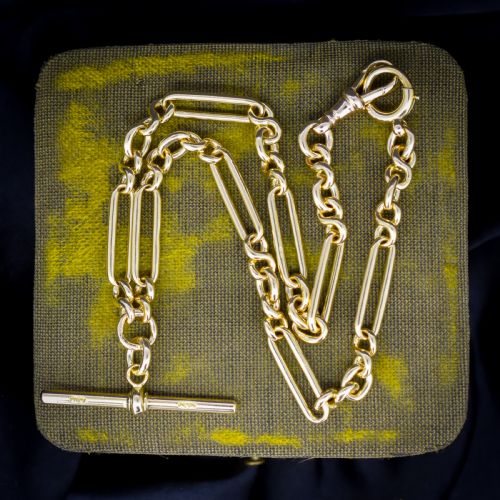
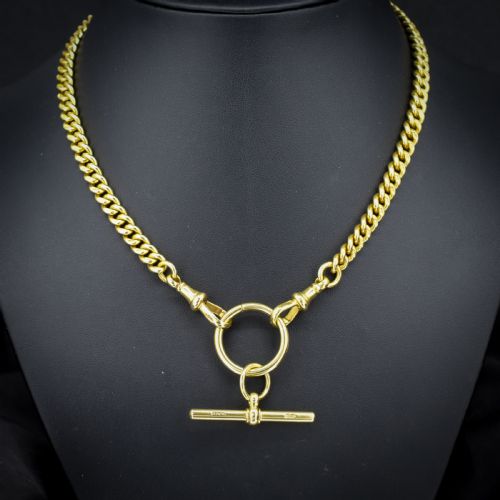
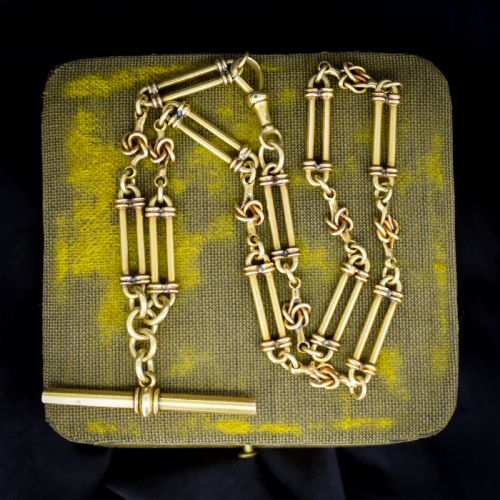
Many of these pieces are fashioned as albert chains, trombone links, or curb links, frequently accompanied by dog clips, T-bars, and heart padlocks.
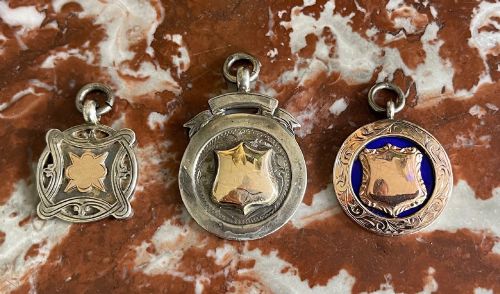
The selection on this page centres heavily on wearable gold links and mounted pendants from the nineteenth and early twentieth centuries.
How they were made
Goldsmiths utilised varying purities of gold, including 9ct rose gold, 9ct yellow gold, 15ct gold, and 18ct yellow gold, sometimes paired with rolled gold techniques.
Links were individually formed, hand-assembled, and fitted with functional components such as dog clips, swivel clasps, and concealed closures.
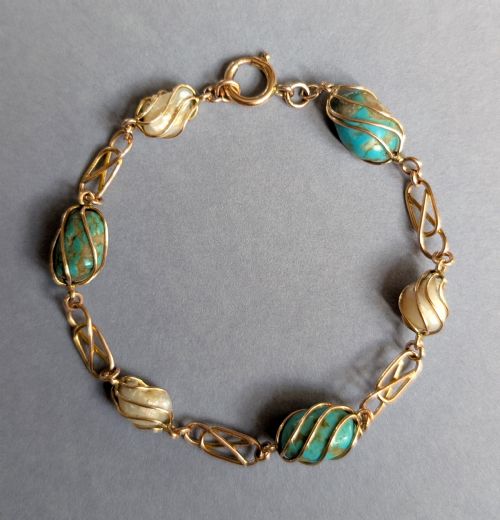
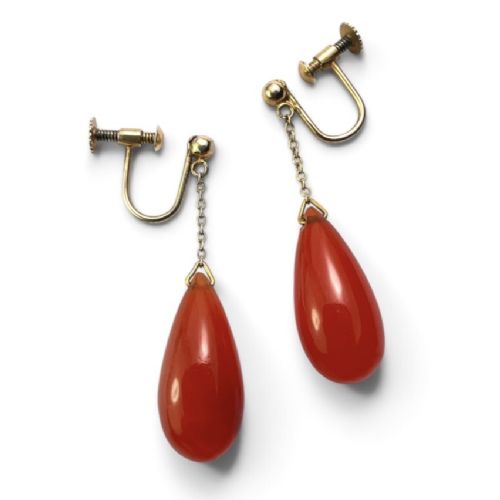
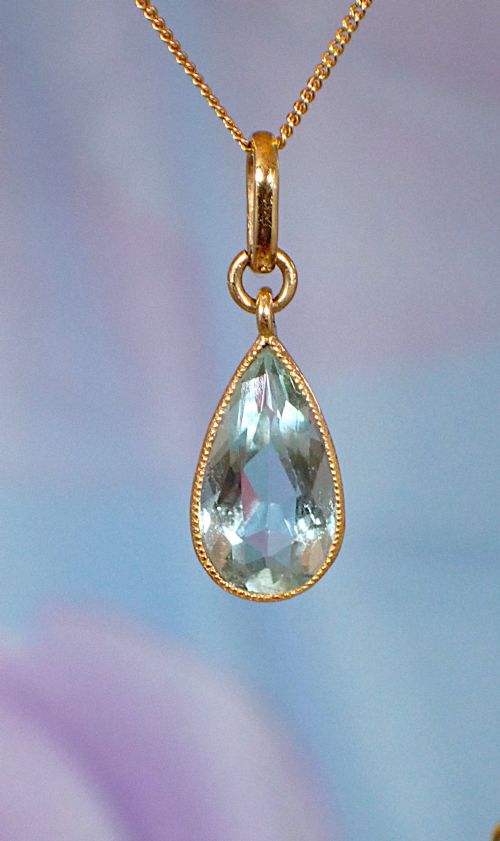
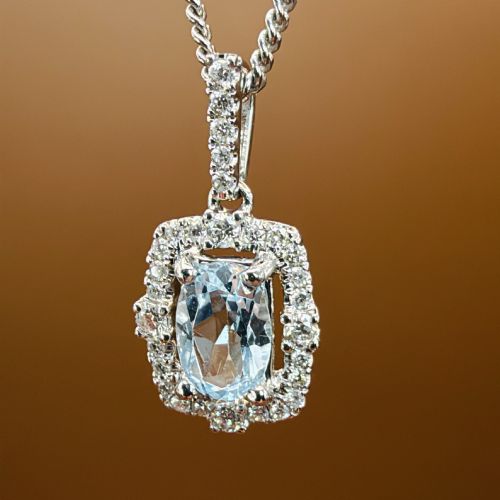
Gemstones like seed pearls, turquoise, garnets, aquamarines, and amethysts were integrated into drops, lockets, and associated brooches.
Some guard chains measure up to sixty-two inches long, offering enough length to wrap around multiple times or double as a substantial belt.
What varies in quality
Construction methods determine the structural integrity of each piece, distinguishing solid gold fabrication from rolled gold alternatives.
The weight of the metal and the complexity of link configurations, such as hollow versus solid tubular bar construction or intricate love knot assemblies, influence the physical presence of the item.
The preservation of original elements, including hallmarking, matching dog clips, and secure clasps, shapes the historical completeness of the chain.
The Antique Jewellery Gold Chain Glossary
- Albert chain
- A short watch chain designed to be secured through a waistcoat buttonhole, featuring a T-bar at one end and a swivel clasp or dog clip at the other.
- Trombone link
- A jewellery link shape characterised by elongated rectangular sections interspersed with smaller circular or oval connectors, popular in watch chains.
- Dog clip
- A spring-loaded swivel clasp commonly found on antique watch chains and bracelets for attaching fobs, pendants, or pocket watches.
- Longuard
- An extra-long neck chain historically worn by women to hold pocket watches, lorgnettes, or pendants securely.
- Rolled gold
- A manufacturing method where a layer of gold is mechanically bonded to a base metal core, providing the appearance of solid gold with greater affordability.
Antique Jewellery Gold Chain: Frequently Asked Questions
How do I wear an antique watch chain as a necklace?
Many watch chains measure at lengths suitable for wearing directly around the neck by fastening the dog clip to a jump ring or link.
Leaving the T-bar to dangle as a decorative element in the front is a traditional method utilised with trombone and curb link pieces.
What is the difference between 9ct and 15ct gold?
Fifteen-carat gold contains a higher proportion of pure gold than 9ct gold, yielding a richer and warmer yellow hue characteristic of earlier Victorian jewellery.
Nine-carat gold was widely utilised across the Edwardian era and later periods, offering durability alongside distinct rose and yellow colour variations.
Can I attach pendants to these chains?
Most antique chains feature secure dog clips or swivel clasps that allow pendants, lockets, and fobs to be attached and removed easily.
Heavier curb and trombone link chains possess the structural strength required to support larger gold charms and gemstone drops.
How do I identify the period of a gold chain?
Stylistic indicators such as trombone links, heart padlocks, and engraved curb patterns typically point toward Victorian and Edwardian manufacturing dates.
Birmingham silver and gold hallmarks stamped onto the metal components or fobs provide specific verification of the year of creation.