




Antique Jewellery Fob Charm
These small tactile objects bring together personal marks and playful souvenirs in antique jewellery fob charm designs spanning the Georgian to Art Deco periods.
Antique Jewellery Fob Charm
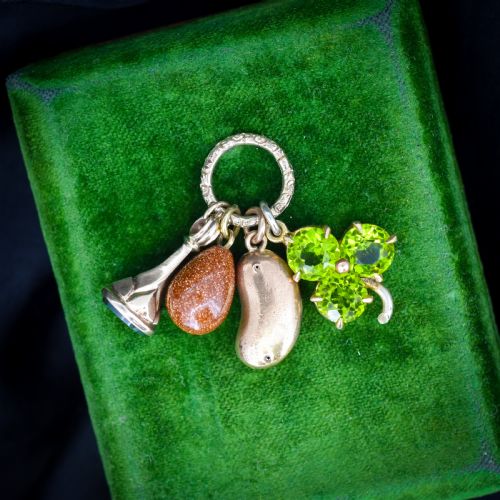
An antique jewellery fob charm sits at the intersection of practical horology and personal adornment, originating as seals for documents or decorative pendants for watch chains. The pieces found here span centuries of design, moving from Georgian and Victorian seals set with hardstones to Edwardian novelties and later Art Deco medals.
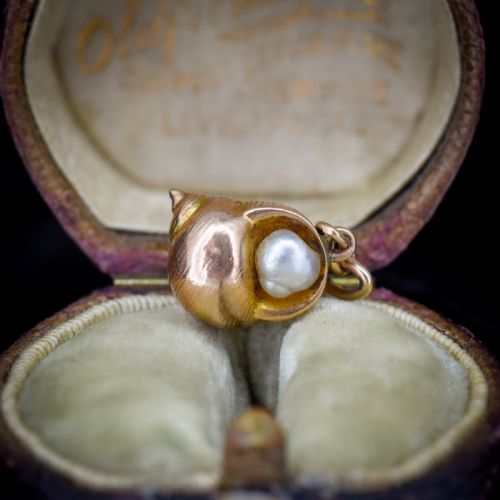
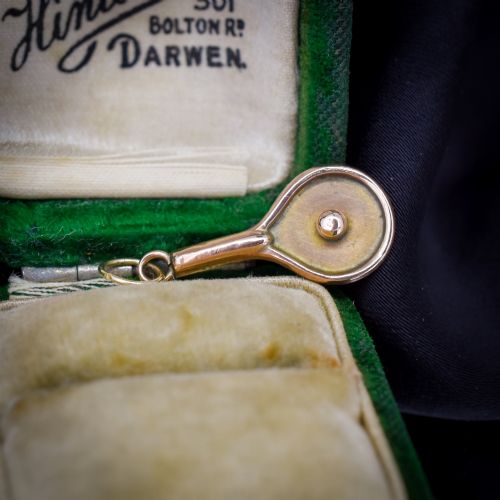
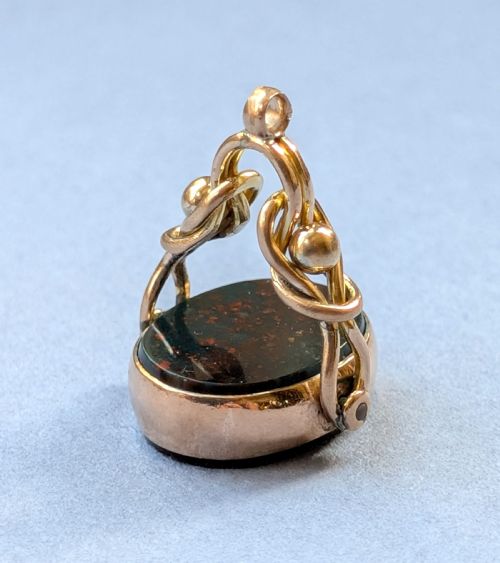
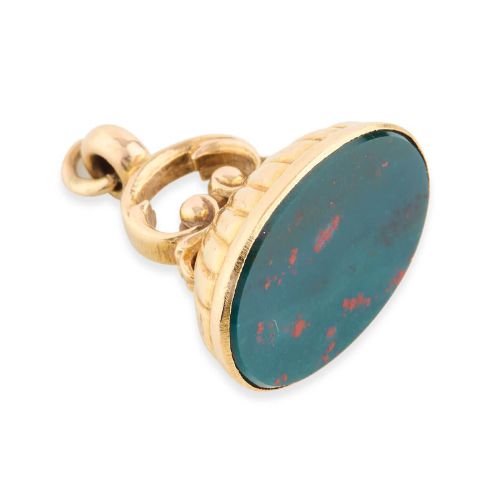
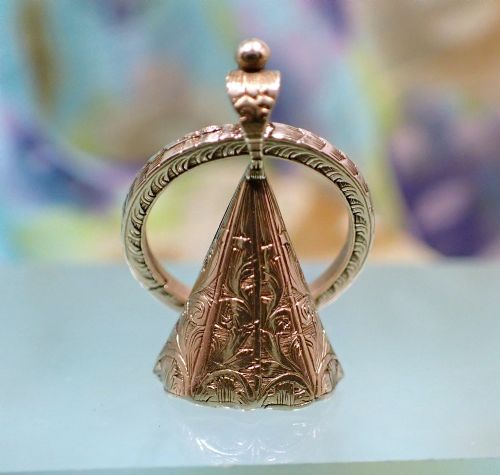
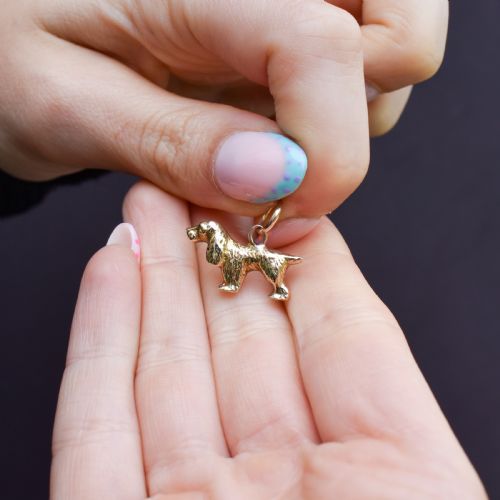
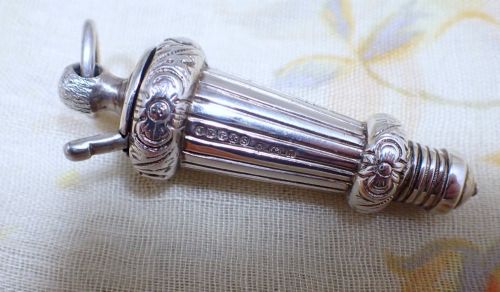
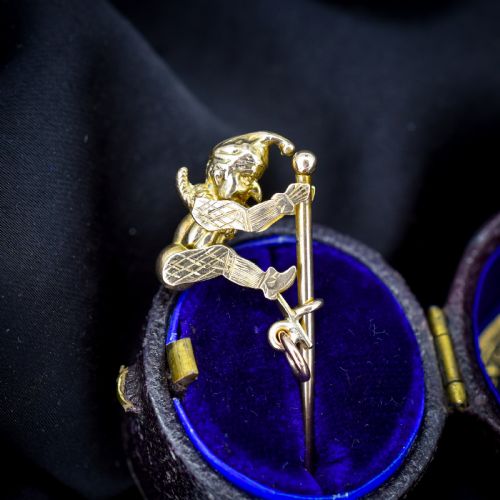
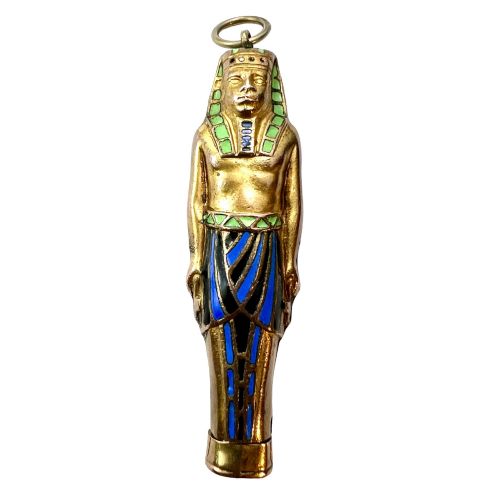
Visitors encounter everything from spinning fobs with carnelian and bloodstone panels to novelty silver whistles, miniature propelling pencils shaped like Egyptian pharaohs, and whimsical animal charms. These items were designed to dangle from watch chains or charm bracelets, serving as signets, tallies, or simply miniature works of art.
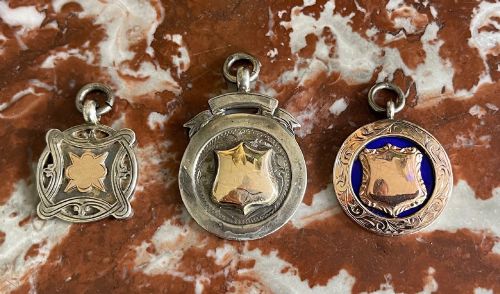
Dating ranges from the 19th century through the early decades of the twentieth century, encompassing periods such as the Victorian, Edwardian, and Georgian eras. Collectors find both gold-cased and solid gold examples alongside silver and gilt metal pieces, each carrying the specific character of its decade.
How they were made
Makers utilised traditional goldsmithing techniques, casting and stamping precious metals including nine-carat and fifteen-carat gold, sterling silver, and gilt metal. Many pieces combine structural metalwork with hand-carved hardstones such as carnelian, bloodstone, sardonyx, and chalcedony.
Lapidary work played a central role, with stones shaped into smooth cabochons, multi-faceted citrines, or intaglios bearing engraved crests, Roman emperors, and Greek figures. Detail work often included polychrome enamel, hand-engraved scrollwork on split rings, and miniature mechanical parts for sliding charms and propelling pencils.
What varies in quality
The standard of execution in engraving and stone-cutting separates ordinary examples from exceptional ones. Sharp, deep intaglio carving on stones like carnelian or bloodstone points to skilled craftsmanship, whereas shallow or worn markings suggest simpler production.
Material substance and mechanical complexity also set pieces apart. Solid gold housings, heavy carnelian swivel mounts, and working mechanisms in novelty items such as compasses or propelling pencils represent higher tiers of period production compared to lighter gilt metal or stationary designs.
Hamilton and Co Calcutta
The Antique Jewellery Fob Charm Glossary
- Fob seal
- A small pendant featuring an engraved matrix at the base used for stamping hot wax. These often swivel on a central axis to display two or three different stones.
- Intaglio
- A design carved into the surface of a gemstone so that an impression pressed in wax produces a raised relief. It appears frequently on Victorian signet fobs.
- Bloodstone
- A dark green chalcedony flecked with red jasper spots. This durable stone was a favourite choice for Georgian and Victorian seals.
- Carnelian
- A reddish-orange variety of quartz silica used extensively for intaglios and smooth fob panels. It ranges from pale amber to deep rust.
- Split ring
- A double-coiled ring similar to a modern key ring used to secure charms and fobs to a watch chain. They are often heavily engraved.
Antique Jewellery Fob Charm: Frequently Asked Questions
What is an antique jewellery fob charm?
These items are small decorative pendants historically worn on watch chains or charm bracelets. They combine utility, such as wax seals or pencils, with personal decoration.
They reflect the shifting tastes of the Georgian, Victorian, Edwardian, and Art Deco eras. Many were personalised with engraved initials or family crests.
How were antique fobs used?
Originally, gentlemen and ladies used them to press wax seals onto correspondence and documents. The hardstone base carried a unique family crest or intaglio design for this purpose.
Over time, many lost their practical sealing function and became purely decorative pendants or charms. People attached them to heavy watch chains or collected them on bracelets.
How do I date an antique fob charm?
Stylistic clues, hallmarks, and materials help determine the era of a piece. Georgian items often feature heavy gilt mounts and plain carnelian stones, while Victorian examples introduce intricate chased gold work and varied novelty shapes.
Maker's marks, metal standards such as nine-carat or fifteen-carat gold, and assay office stamps provide further chronological markers. Specific dates are sometimes engraved directly onto medals or presentation pieces.
What are spinning fobs?
Spinning fobs feature a rotating central bezel mounted within a stationary bow or loop. This allows the wearer to flip the stone and display different faces.
Typically, one side holds a bloodstone and the other a carnelian, sometimes with one side left blank for future engraving. This clever mechanism gave owners multiple sealing options in a single pendant.
How do I care for antique fob charms?
Gentle handling protects delicate stone settings and intricate enamel work. Avoid harsh chemical cleaners or ultrasonic baths, which can damage softer stones like carnelian or dislodge glued components.
Store them separately to prevent scratching between different metal types and hardstones. Soft cloths work best for routine cleaning of gold and silver surfaces.