

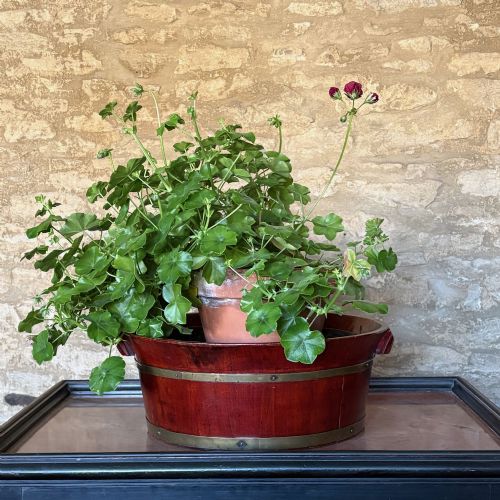
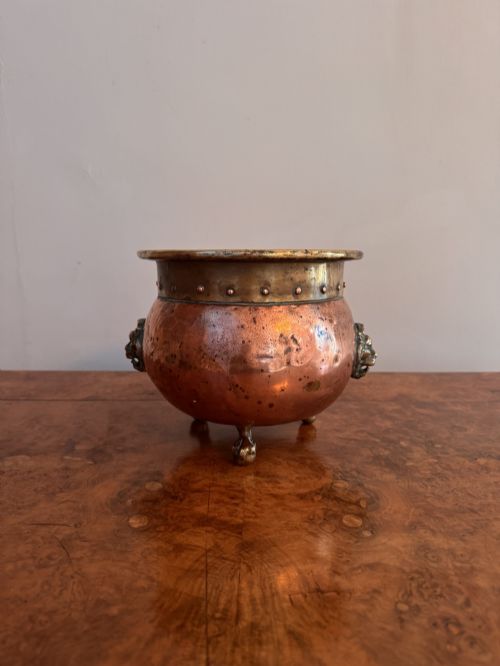
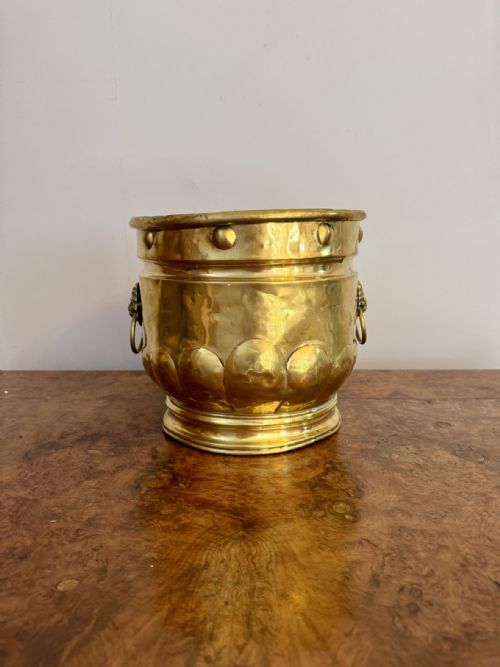
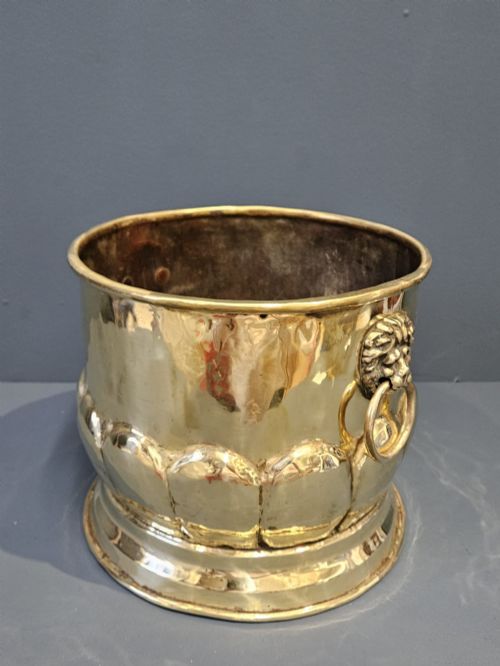

Antique Jardiniere Bucket
An antique jardiniere bucket is a sturdy vessel meant for housing plants or chilling wine, prized for bringing rich historical textures into a room.
Antique Jardiniere Bucket
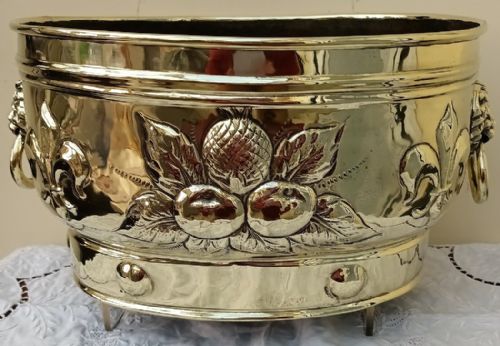
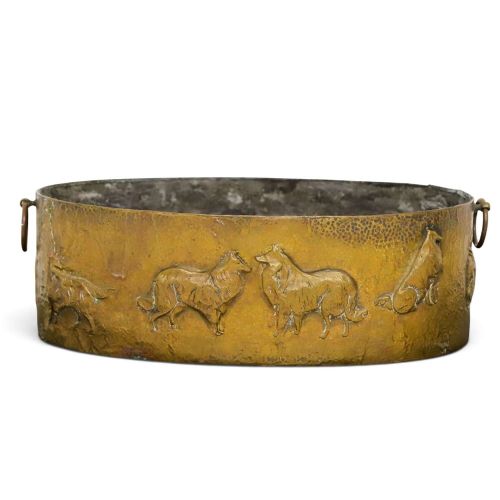
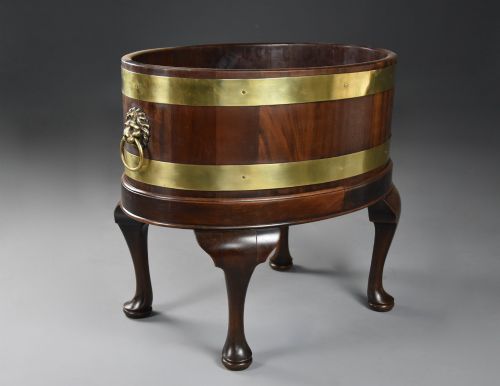
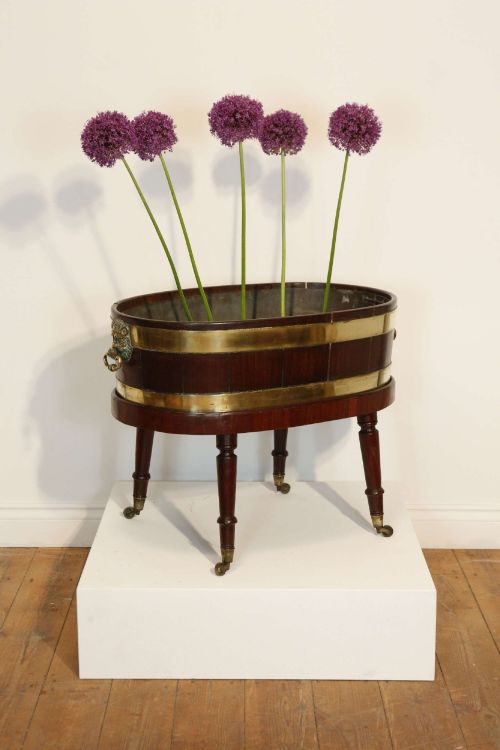
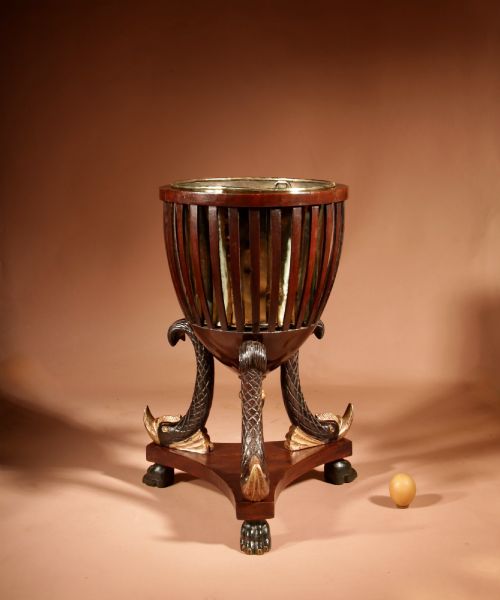
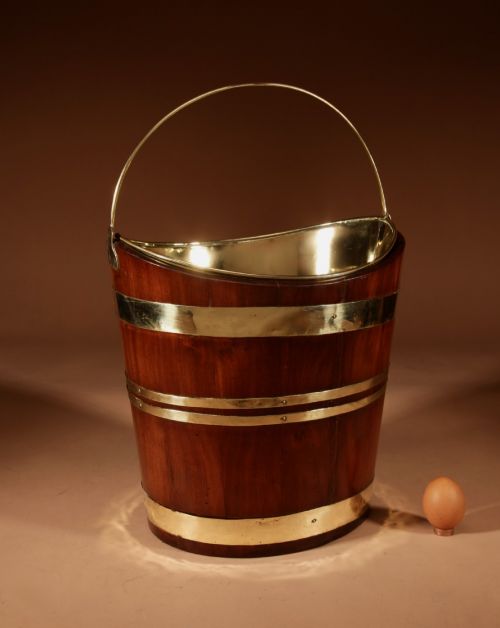
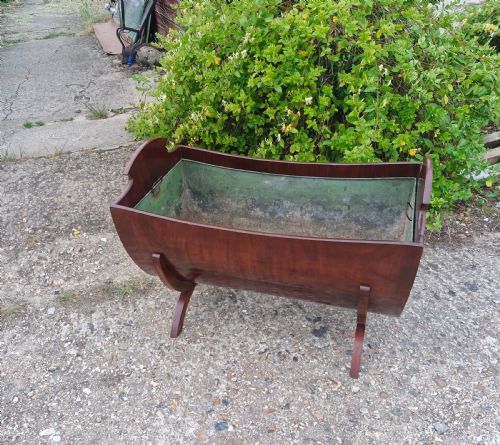
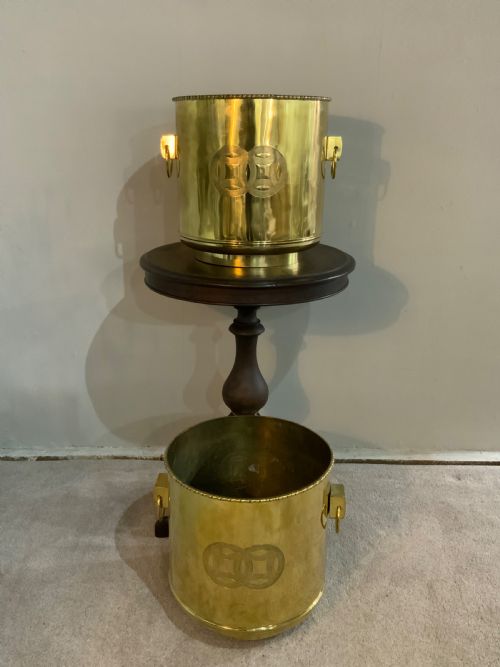
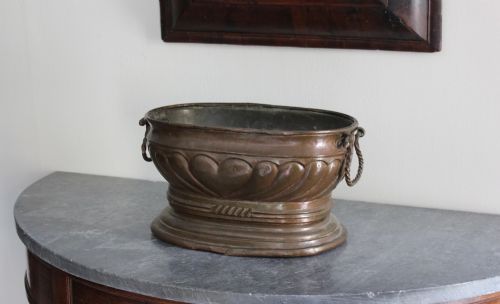
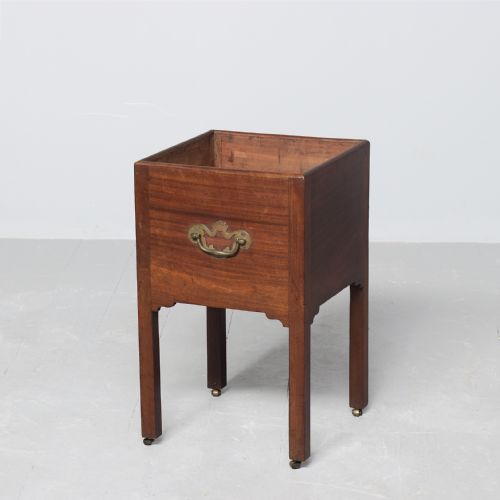
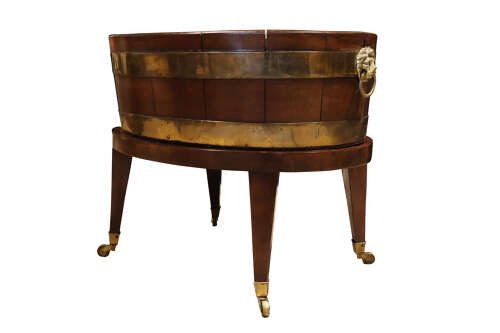
The materials reflect practical domestic needs from centuries past, utilising durable hardwoods like mahogany, oak, and walnut alongside conductive metals such as brass and copper. Many examples incorporate brass banding, swing handles, and applied crests, demonstrating how utilitarian storage objects doubled as decorative furnishings in country houses and town salons. You will frequently find pieces that bridge multiple uses, serving equally well as plant stands, champagne coolers, or waste bins.
Distinguishing quality in craftsmanship
Quality rests in the precision of the cooperage, the weight and gauge of the metal components, and the integrity of the timber selection. Superior items display tight, flush stave joints, substantial brass binding secured with original pins, and rich, untouched wood patination.
Secondary pieces show simpler construction, lighter sheet metal, or replacement hardware that disrupts the historical harmony of the object. The presence of hand-hammering, refined inlay work, and robust structural proportions distinguish finer workshop output from standard utility items.
Antique Jardiniere Bucket Retail Price Guide 2026
Typical asking prices for jardiniere bucket among the pieces listed under this phrase on Sellingantiques today, from the lower quarter to the upper quarter. They describe what is for sale here now, not the wider market.
Some nineteenth-century peat buckets doubled as knitting baskets, proving that Victorian domestic life demanded maximum multitasking from household timber.
The Antique Jardiniere Bucket Glossary
- Coopered
- Constructed from wooden staves bound together with metal hoops, much like a traditional barrel or cask. This technique provided the structural strength needed for holding wet contents.
- Cellarette
- A lockable container or fitted box used for storing wine bottles near the dining table. Many shared similar forms with contemporary planters and tea buckets.
- Dinanderie
- An umbrella term for objects made of brass, copper, and bronze, often associated with vessel production and decorative metalwork. It denotes traditional alloy crafting methods.
- Schuitje
- A boat-shaped vessel style, often applied to peat buckets and wine coolers with tapering ends. The profile resembles a small watercraft.
- Tea Stove
- A small portable hearth or container used historically to heat tea water or keep rooms warm, frequently repurposed as a jardiniere or planter.
Antique Jardiniere Bucket: Frequently Asked Questions
How were antique jardiniere buckets originally used?
These vessels served diverse roles in period homes, functioning as peat buckets near fireplaces, tea stoves for warmth, and wine coolers during formal dining.
Over time, many of these sturdy containers found new life holding potted plants and floral arrangements within parlours and reception rooms.
Can I plant directly into a vintage metal bucket?
Planted soil and moisture can accelerate corrosion and tarnish interior metal surfaces, especially on older brass and copper items.
Using a removable inner plastic liner or pot protects the historical integrity of the vessel while allowing you to water plants safely.
How do I tell a wine cooler from a plant bucket?
Wine coolers often feature lead linings, internal dividers, or distinct boat shapes designed specifically for holding bottles and ice.
Planters and jardiniere buckets typically lack internal bottle partitions, though centuries of domestic reuse mean many examples served both purposes.
What woods were commonly used for these buckets?
Cabinetmakers relied on dense, durable hardwoods such as mahogany, oak, and walnut to withstand the weight of damp contents and frequent handling.
These timbers were frequently coopered into staves and accented with contrasting brass or copper hoops for added strength and visual appeal.