


Antique Japanese Ornament
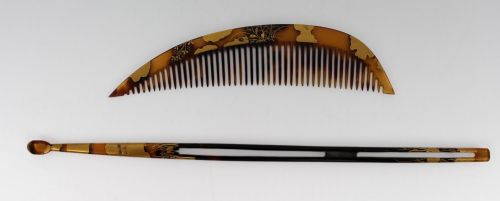
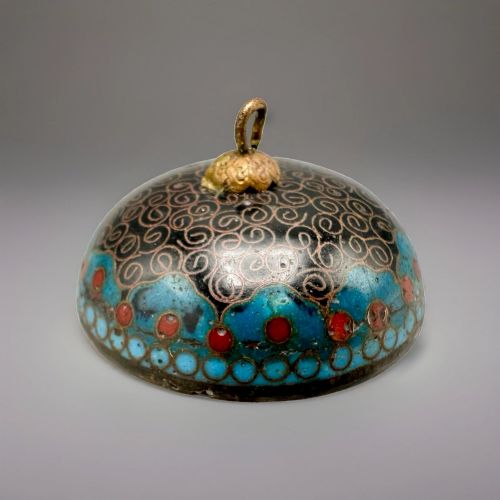
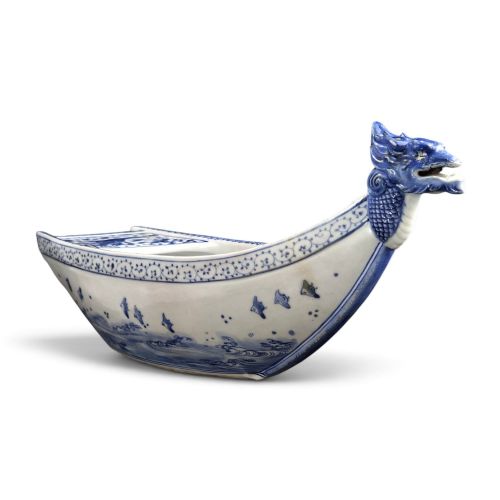
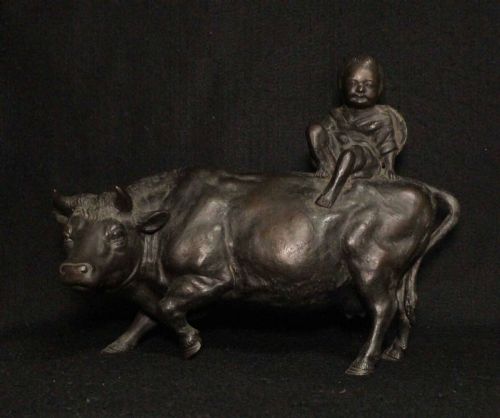
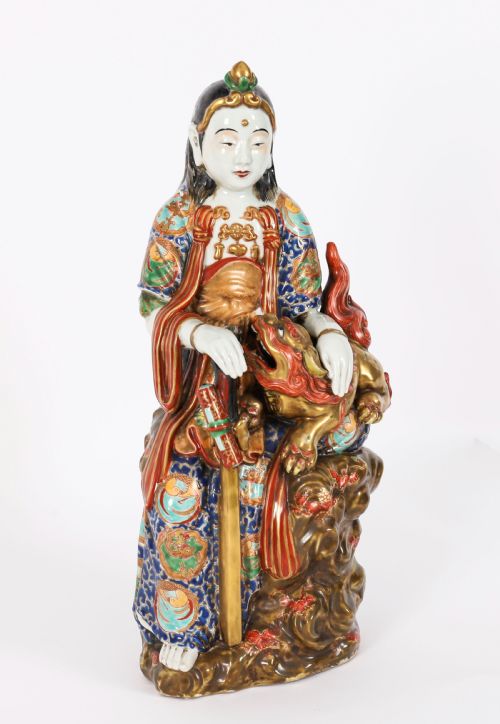
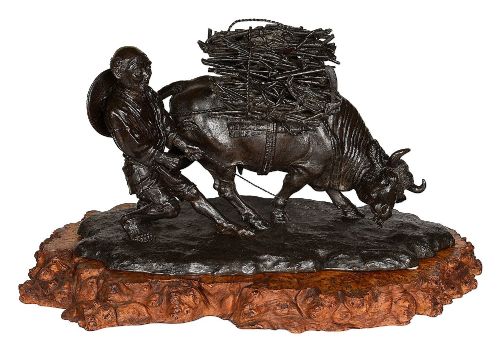
These antique japanese ornament selections span bronze figures, carved wood bears and delicate porcelain.
Antique Japanese Ornament
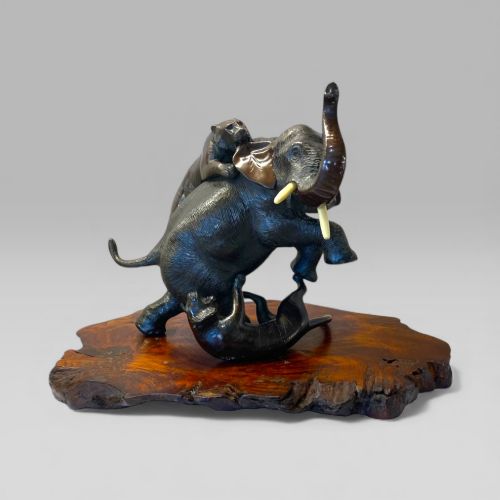
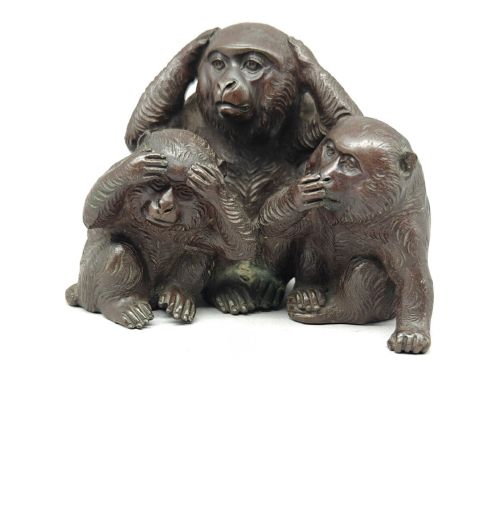
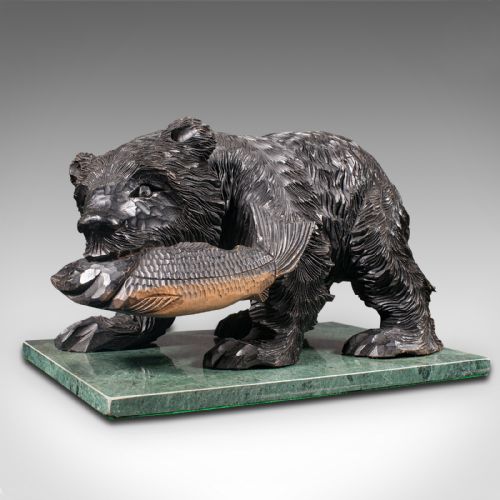
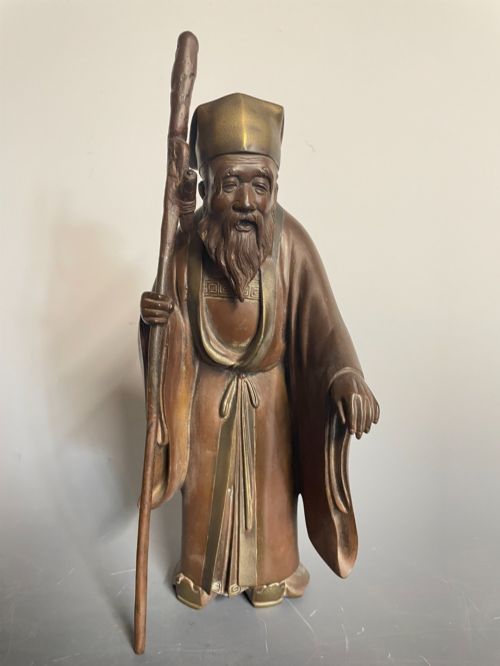
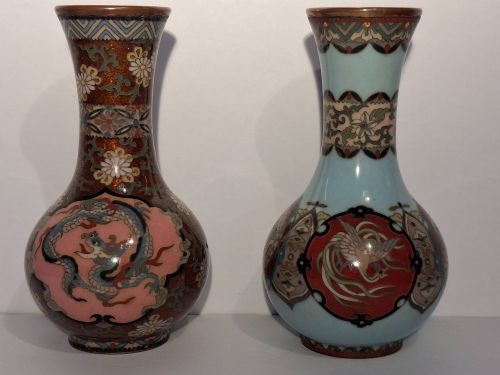
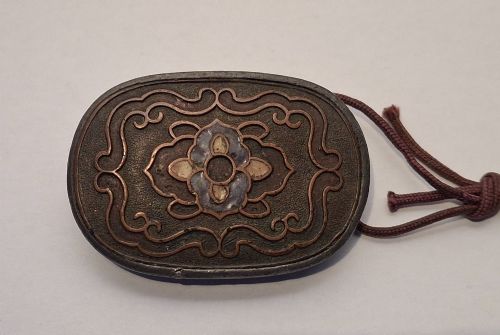
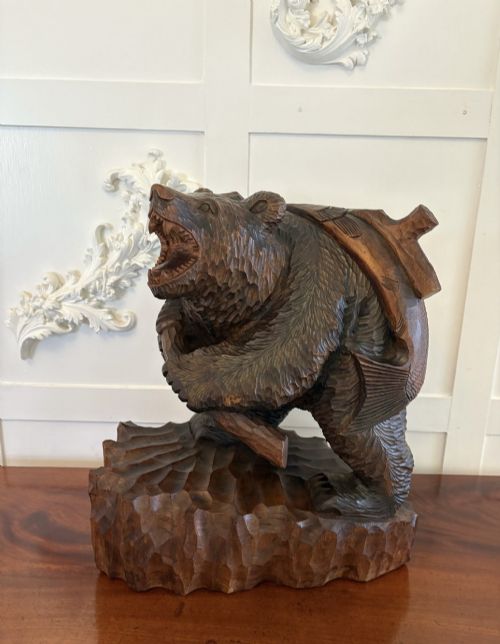
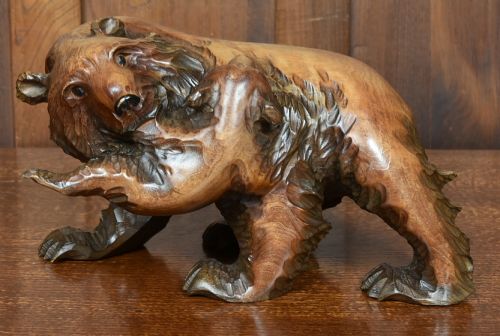
When you search for an antique japanese ornament, you encounter a diverse array of sculptural forms and vessels rooted primarily in the Meiji period and late nineteenth century. The selection ranges from intricate mixed-metal okimono and heavy bronze animal studies to carved linden wood bears and painted porcelain deities. These objects reflect both traditional folklore and domestic craftsmanship produced for export and domestic use.
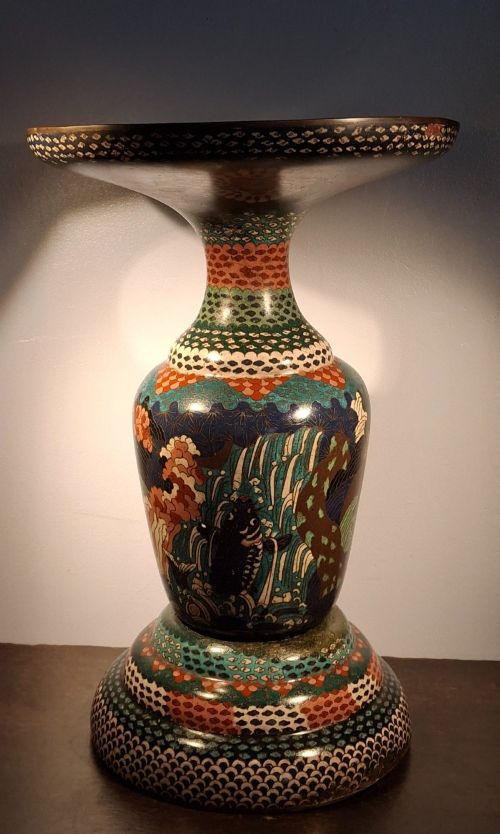
The version you are most likely to meet on this page is a bronze or porcelain figure depicting animals, deities, or legendary figures. Many examples originate from the Meiji period, alongside pieces from the Edo, Taisho, and Showa periods. Forms vary from small netsuke and okimono to large garden dragons, vases, and brush washers.
How they were made
The metal objects rely on bronze and mixed-metal casting techniques, often incorporating shakudo, gold leaf, and iron details. Artisans chased and patinated these surfaces to achieve realistic textures on animal subjects such as tigers, elephants, and beetles.
Ceramic and porcelain works utilise earthenware and hard-paste bodies decorated with Kutani, Satsuma, and Arita enamel painting traditions. Wood and bamboo items, including the characteristic Kibori Kuma bears, employ hand-carving methods on linden wood and hardwood.
Antique Japanese Ornament Retail Price Guide 2026
Typical asking prices for japanese ornament among the pieces listed under this phrase on Sellingantiques today, from the lower quarter to the upper quarter. They describe what is for sale here now, not the wider market.
What varies in quality
The distinction between ordinary production and masterwork execution lies in the sharpness of the casting, the delicacy of the hand-carved details, and the depth of the metal patina. Finer bronzes and mixed-metal pieces display complex articulation, inlaid eyes, and signed artist panels rather than uniform cast surfaces.
In ceramics and porcelain, quality rests on the precision of the overglaze enamelling, the refinement of the clay body, and the clarity of the kiln firing. Works bearing documented signatures from notable kilns or master modellers demonstrate superior artistic ambition.
Jomi Eisuke·Tsunemitsu·Shosai·Masaaki·Kaniya Kuniharu·Makuzu Kozan II·Haruyama Shunzan·Kizan·Kōko·Unno Shomin
The Antique Japanese Ornament Glossary
- Okimono
- A small Japanese display object, typically placed in a tokonoma alcove. These sculptures represent animals, people, and mythical subjects.
- Netsuke
- A miniature carved toggle used to secure a small container to a kimono sash. They are traditionally fashioned from wood, ivory, or stag antler.
- Kutani
- A style of Japanese porcelain known for vibrant overglaze enamel colours and pictorial designs. Pieces often feature figures, birds, and floral motifs.
- Satsuma
- A type of Japanese earthenware featuring a pale, ivory crackle glaze decorated with enamel and gold leaf. These wares gained prominence during the Meiji period.
- Shakudo
- A Japanese billon of copper and gold treated to produce a dark blue-black patina resembling lacquer. It is frequently used for highlights in mixed-metal work.
Antique Japanese Ornament: Frequently Asked Questions
What is an okimono?
An okimono is a standalone decorative sculpture designed for display inside a home rather than for temple ritual use. These objects became prominent during the Meiji period as Japanese craftsmanship adapted to international taste.
Subjects range from realistic animals like elephants and bears to figures from folklore and daily life. They serve purely as ornamental focal points.
How do I identify a Meiji period piece?
Meiji period items date from eighteen sixty-eight to nineteen twelve, an era defined by rapid artistic opening to the West. You often find detailed signatures, complex mixed-metal techniques, and naturalistic animal studies.
Earlier pieces retain Edo period traits, while later Taisho works show early twentieth-century shifts. Examining the patination, signature cartouches, and manufacturing material helps determine the exact era.
Where were these ornaments displayed?
In traditional Japanese interiors, decorative objects were placed within the tokonoma, a raised display alcove in the reception room. This setting allowed viewers to appreciate single sculptures, vases, or okimono at close range.
Export pieces later found places on European and American mantelpieces, cabinets, and drawing room tables. Their scale was tailored for intimate domestic display.
What materials are common in Japanese metalwork?
Bronze is the predominant metal used for larger figures, garden ornaments, and vessels. Artisans also utilised iron, copper, and mixed-metal alloys incorporating gold leaf and shakudo for contrasting colour effects.
Inlays of ivory, bone, and precious stones frequently accent these metal surfaces. The interplay of patinas created varied textural finishes on animal hides and robes.