


Antique Japanese Folklore Art
Antique japanese folklore art brings traditional tales to life through framed prints, masks, and sword guards that capture historical craftsmanship.
Antique Japanese Folklore Art
When you search for antique japanese folklore art, you uncover a distinct selection of pieces centred on traditional narratives and cultural motifs. The offerings span framed prints, carved masks, and metalwork guards from the nineteenth century and the Edwardian period.
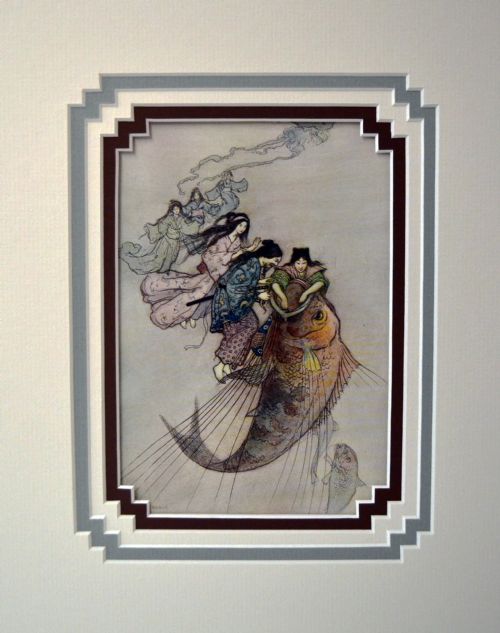
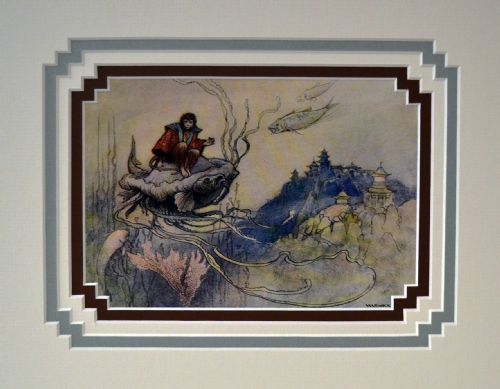
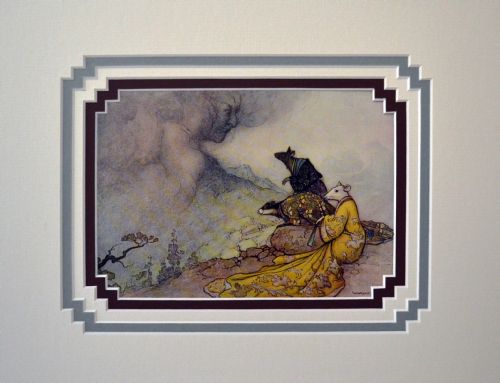
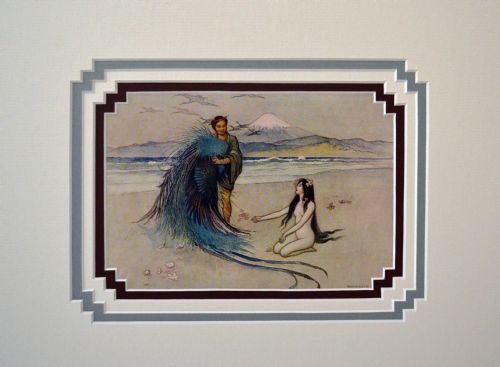
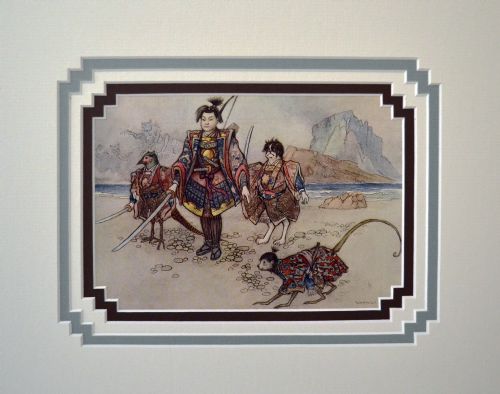
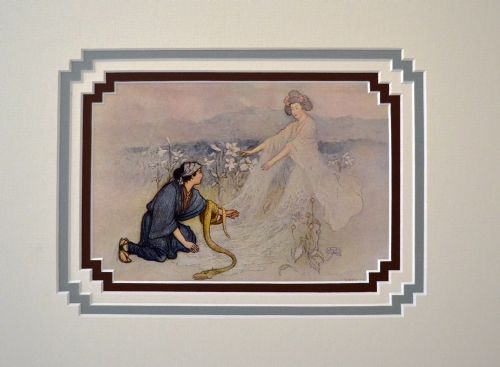
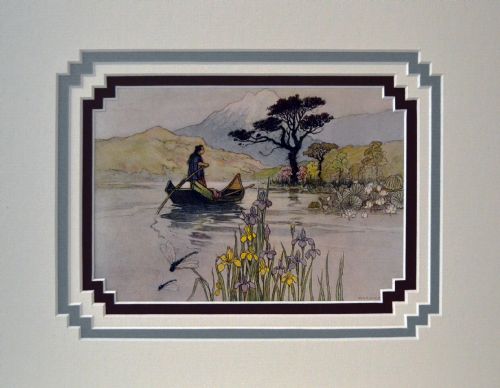
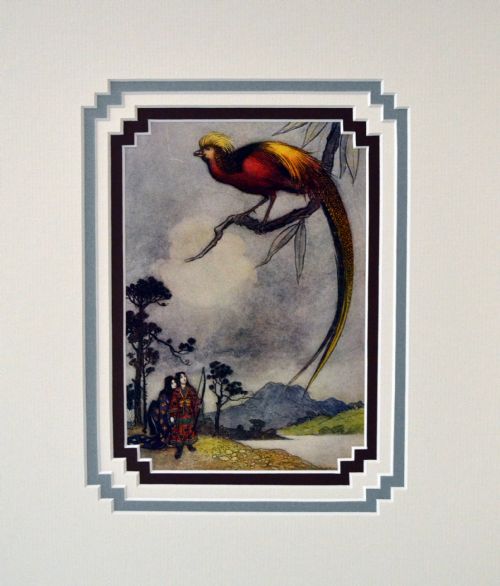
First edition book illustrations dominate the selections, notably featuring the fairy tale artwork produced by Warwick Goble in nineteen-ten. These printed sheets bring narrative subjects into domestic interiors through Edwardian publishing houses.
Alongside prints, the category includes functional objects from the Meiji and Edo periods such as tsuba and wooden masks. These items bridge martial heritage and legendary storytelling.
Materials and construction methods
The paper prints rely on traditional ink application on paper, card, and mountboard, frequently presented behind glass in contemporary or period frames. These works showcase the delicate illustrative techniques popular during the early twentieth century.
Three-dimensional pieces utilise harder substances, seen in the metalwork and cloisonne enamel of sword guards and the carved surfaces of masks. Artisans combined metal shaping with vitreous enamel pastes to achieve vibrant colours.
Warwick Goble spent years illustrating fairy tales so charmingly that you might expect a goblin to peek out from behind the mountboard.
Distinctions in quality
Quality in printed works rests upon the crispness of the ink and the preservation of the paper stock against toning and foxing. First edition printings retain sharper line work and richer colour saturation than subsequent impressions.
For physical artefacts like masks and guards, excellence is determined by the precision of the carver's chisel or the smoothness of the enamel finish. Superior items display meticulous attention to facial expression and surface detail.
Warwick Goble
The Antique Japanese Folklore Art Glossary
- Tsuba
- The guard at the end of the grip of a Japanese sword. These metal plates often display intricate folklore scenes.
- Edwardian
- A period spanning the early twentieth century defined by specific artistic and literary movements. Illustrations from this era frequently adopt Japonisme influences.
- Meiji
- The imperial period of Japanese history lasting from eighteen sixty-eight to nineteen twelve. Craft production during this time catered increasingly to international collectors.
- Cloisonne
- An enamelwork technique where metal wire creates compartments for coloured paste. Firing fuses the vitreous decoration to a metal base.
Antique Japanese Folklore Art: Frequently Asked Questions
What subjects do these prints show?
The prints depict scenes and characters from traditional Japanese fairy tales and folklore.
These narratives were gathered and published for Western audiences during the early twentieth century.
How should I frame these prints?
Prints benefit from conservation framing utilising acid-free mountboard and glass to protect the paper.
Keeping the delicate ink work away from direct sunlight preserves the original tones.
What is a tsuba?
A tsuba is a sword guard designed to protect the hand during combat.
In later periods, these metal pieces became highly decorative collectors' items featuring folklore motifs.
How do I identify the period?
Dating relies on materials, printing techniques, and stylistic markers associated with specific decades.
Nineteenth-century items reflect traditional craft methods, while nineteen-ten pieces show Edwardian publishing styles.