
Antique Japanese Ceramic Figure
When you search for an antique japanese ceramic figure, you enter a world of hand-modelled deities, mythical beasts and cultural subjects shaped across the Meiji and Taisho periods.
Antique Japanese Ceramic Figure
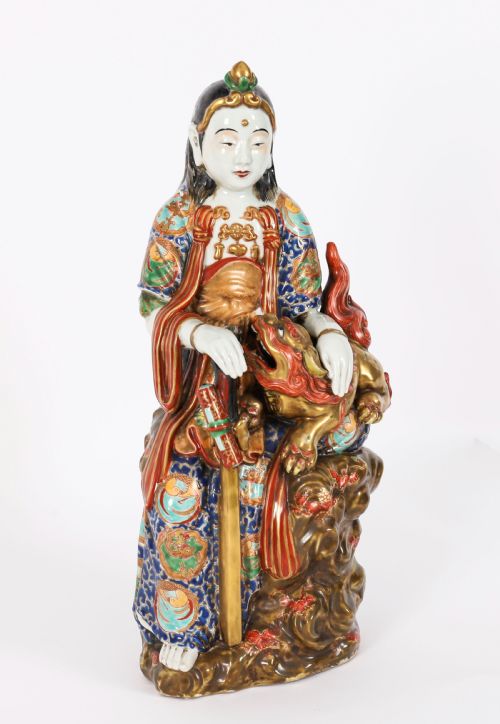
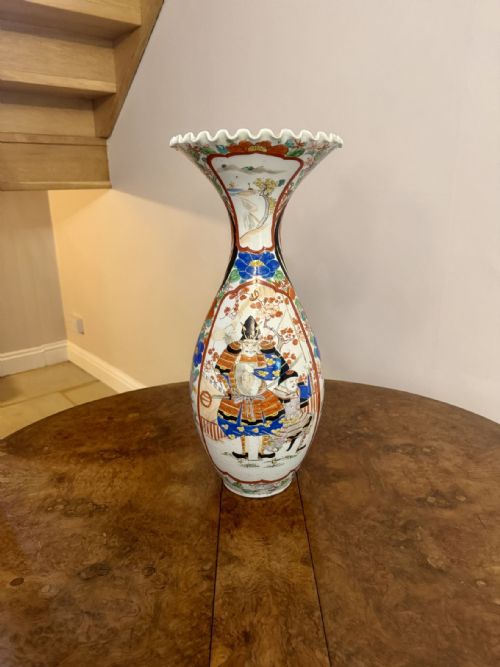
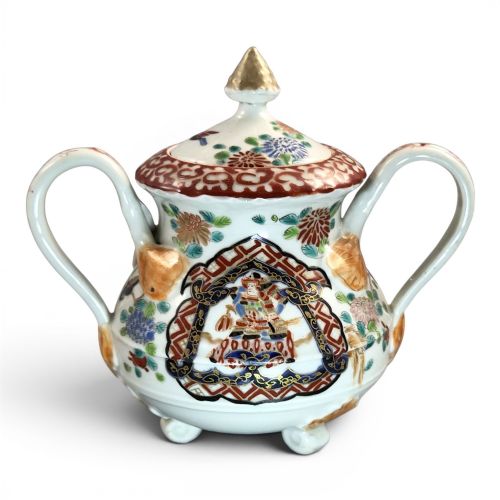
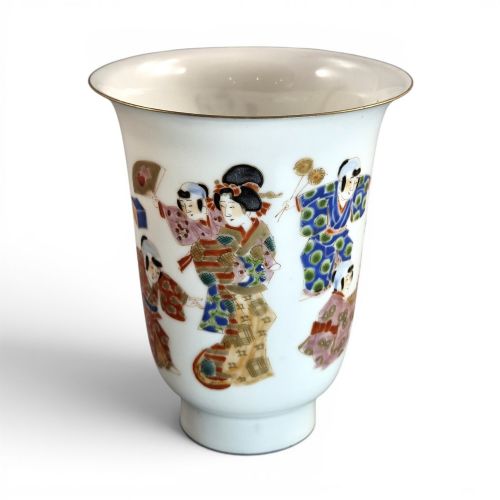
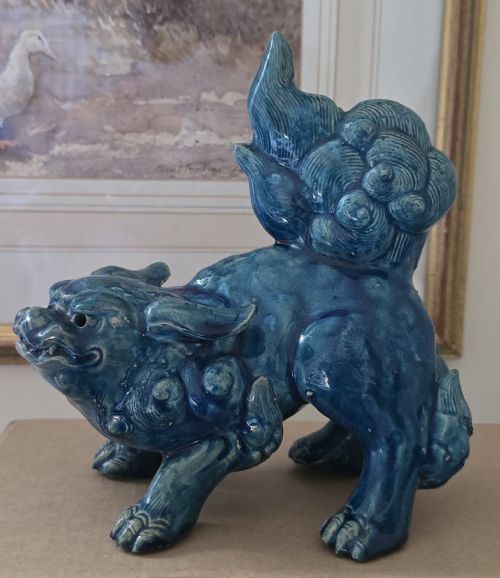
An antique japanese ceramic figure comprises sculptural representations of deities, sages, courtesans, and animals modelled in clay and porcelain. The selection spans earthenware and stoneware okimono, glazed temple lions, and figures emerging directly from vessel walls.
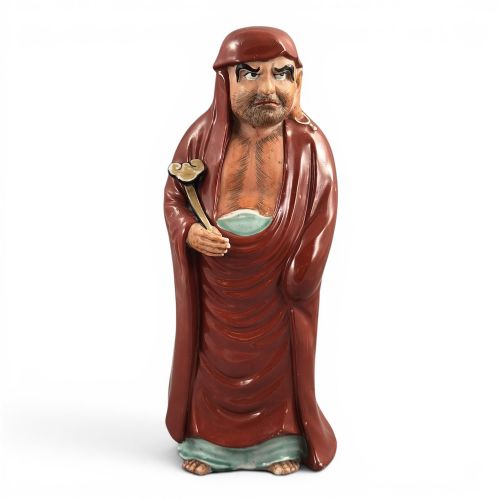
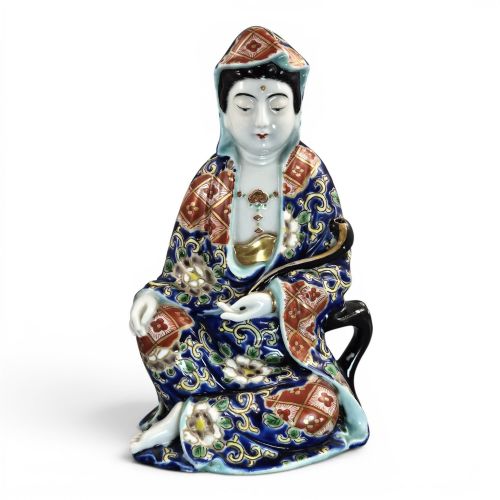
The objects frequently depict notable figures such as Kannon, Daruma, or various arhats, rendered with careful attention to posture and expression. These pieces bridge decorative arts and narrative sculpture, originating largely from late nineteenth and early twentieth-century kilns.
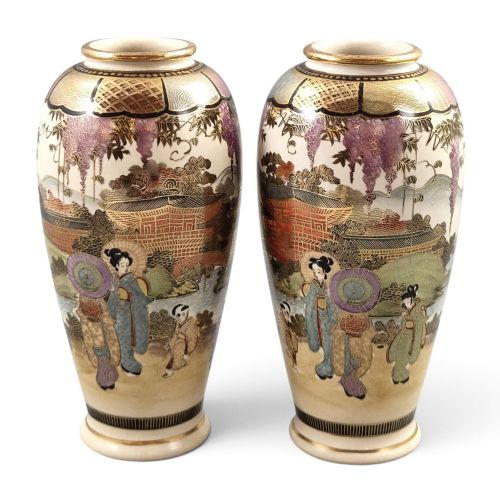
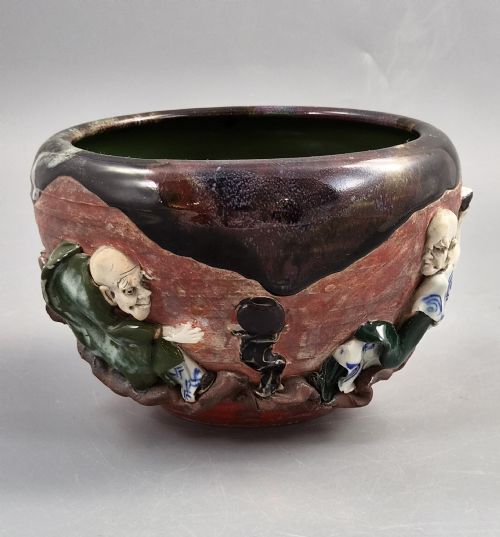
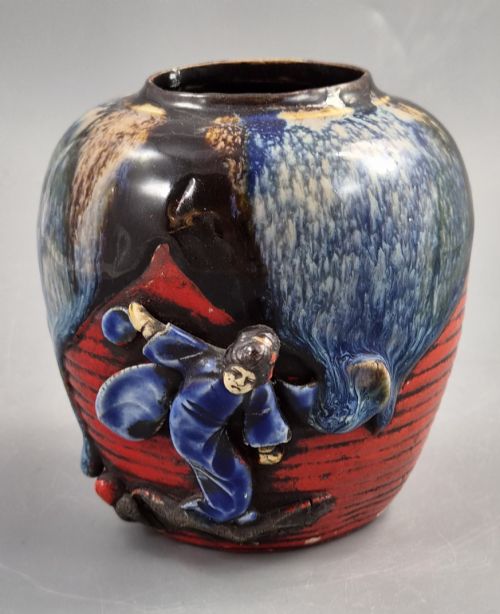
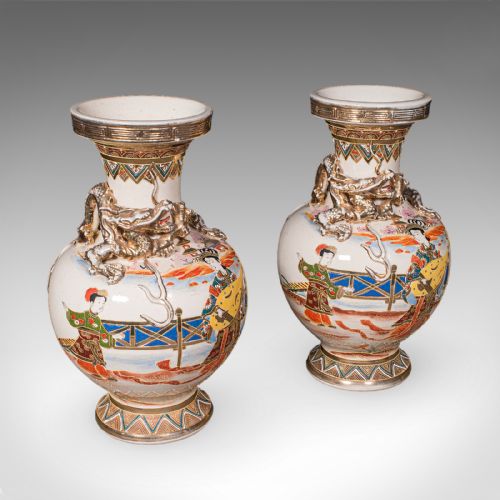
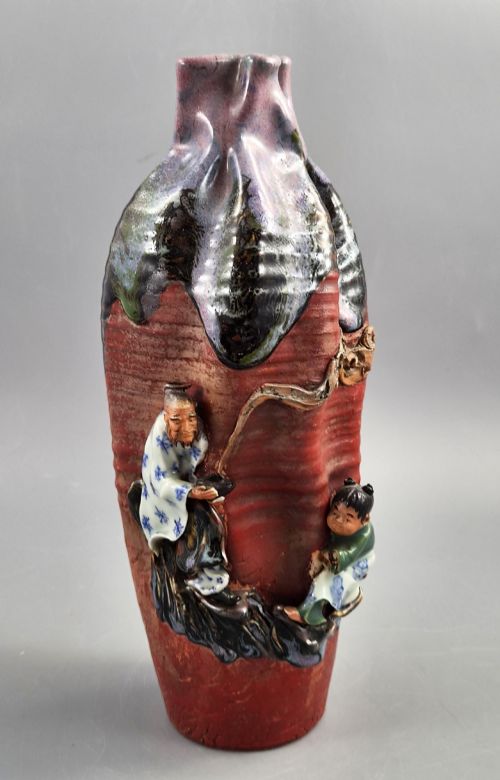
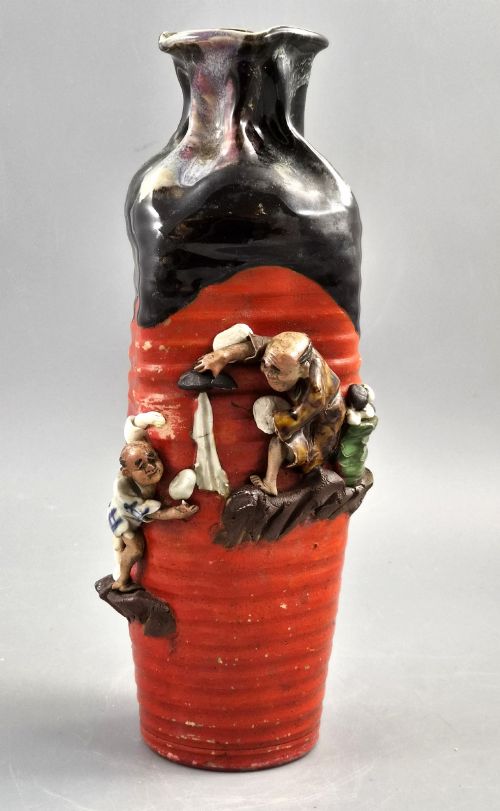
Buyers encountering this category will find a strong representation of Kutani porcelain deities alongside the distinctive textured surfaces of Sumida Gawa wares. Satsuma figures also appear, capturing traditional dress and mythological subjects through detailed overglaze enamel painting.
Materials and production methods
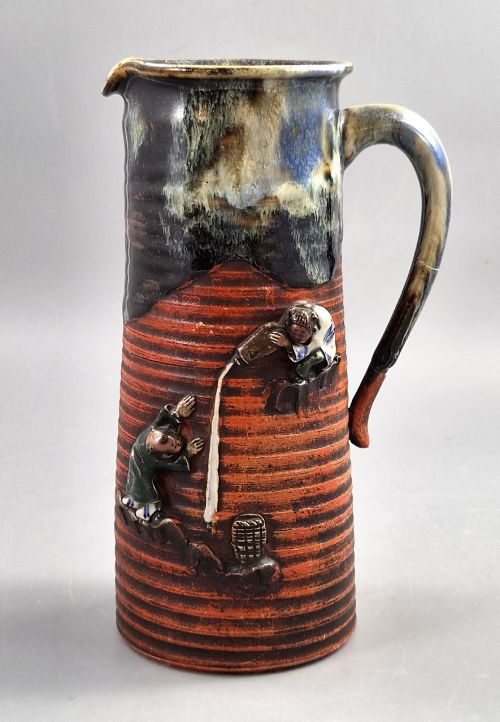
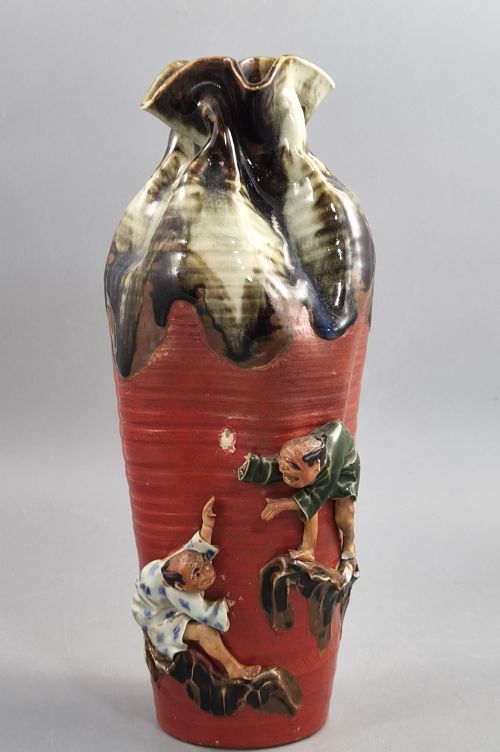
Potters utilised earthenware, stoneware, and porcelain bodies, applying both controlled glazes and heavy textured slips to achieve varied tactile surfaces. Flambé glazes and raw, unglazed portions often create sharp contrasts across a single piece.
Many sculptural works incorporate applied details, where figures and motifs are modelled separately and pressed onto the main body before firing. Enamel decoration and gold leaf are subsequently added over the glaze, requiring secondary low-temperature firings to fix the colours.
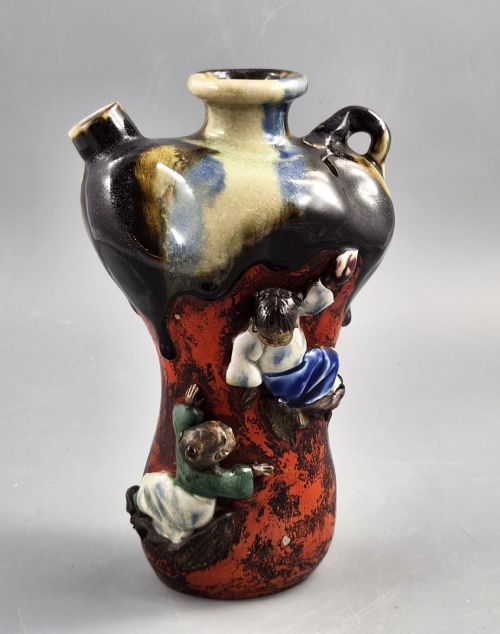
Several mischievous children and climbing sages appear determined to scale the sides of teapots, vases, and brush washers.
Indicators of standard and execution
The standard of an antique japanese ceramic figure depends heavily on the crispness of the modelling and the control of the glaze. Finer examples display precise facial expressions, detailed hand-painted elements, and careful integration of applied figures without excess pooling of glaze.
Maker signatures and workshop attributions also influence distinction, as does the complexity of the kiln effects achieved in flambé surfaces. Pieces demonstrating balanced proportions and secure attachment of high-relief elements represent the upper tier of production.
Inoue Ryosai·Kizan·Shozan·Ban ni·Ishiguro Koko·Kinkozan·Hichozan Shinpo·Fukagawa
The Antique Japanese Ceramic Figure Glossary
- Okimono
- A small decorative sculpture intended for display on a shelf or in a tokonoma alcove. These freestanding figures often depict deities, historical personages, or animals.
- Guanyin
- The East Asian bodhisattva of compassion, frequently rendered in porcelain and earthenware figures. This subject appears in multiple regional styles wearing flowing robes.
- Moriage
- A decorative technique using slip trailing to build up raised patterns and textures on ceramics. This method creates a tangible, three-dimensional surface effect beneath the enamel painting.
- Shishi
- A mythical guardian lion or dog common in ceramic sculpture. These protective beasts are traditionally modelled with stylised mannes and fierce expressions.
- Flambé glaze
- A streaked or mottled glaze achieved through complex chemical reactions in the kiln. The resulting finish displays overlapping colours, particularly blues and purples.
- Karako
- A depiction of a Chinese child at play, often shown in groups with sages or scholars. These figures are a recurring motif in applied pottery and vessel decoration.
Antique Japanese Ceramic Figure: Frequently Asked Questions
What is an okimono?
An okimono is a standalone carving or ceramic figure created purely for display in a domestic interior rather than for a functional purpose.
These pieces typically represent historical figures, mythological beings, or animals, and range from small cabinet ornaments to substantial table sculptures.
How do I identify Sumida Gawa pottery?
Sumida Gawa pottery is readily identified by its heavily textured, dripping flambé glazes and figures modelled in high relief that climb directly onto the vessel walls.
Originating from the Tokyo area around the Meiji period, these pieces often feature signed medallions and a distinctively rough, tactile unglazed clay body in places.
What subjects do these figures depict?
The subjects draw heavily from Buddhist and Taoist traditions, including deities such as Kannon, Jurojin, and Daruma alongside legendary sages and arhats.
Other common motifs include secular figures like courtesans, samurai, and children at play, reflecting traditional narratives and folklore.
Where were these ceramics made?
Production centres varied across Japan, with notable output from Kutani, Satsuma, Kyoto, and the workshops around Tokyo associated with Sumida Gawa wares.
Each region maintained distinct traditions regarding clay bodies, colour palettes, and decorative techniques such as moriage enamel work.