



Antique Jadeite Jewellery
Antique jadeite jewellery brings together carved stones, platinum, and diamonds in rings, earrings, and necklaces spanning the Edwardian era to the mid-century.
Antique Jadeite Jewellery
When you search for antique jadeite jewellery, you encounter rings, drop earrings, bead strands, and carved pendants spanning the nineteenth century through to the 1960s. These pieces encompass distinct aesthetic movements, notably Art Deco geometry, Edwardian delicate platinum work, and Chinese Republic Period carvings.
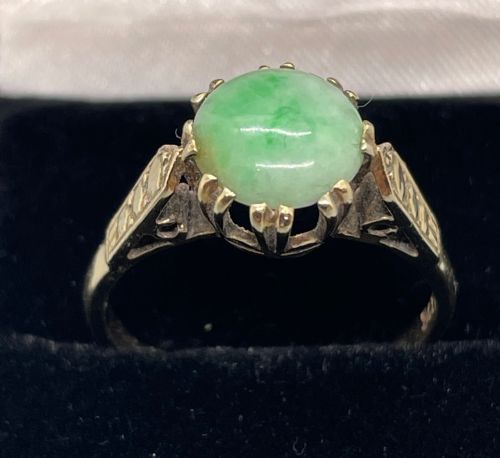
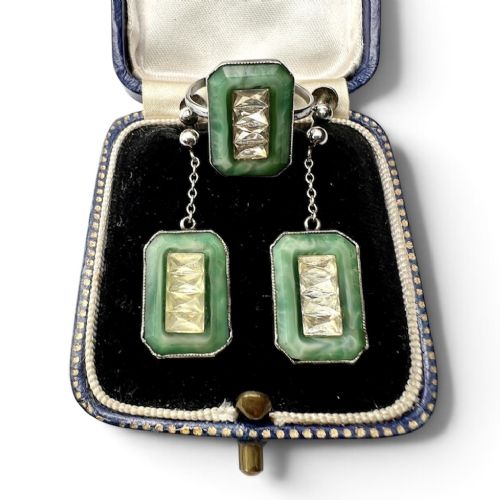
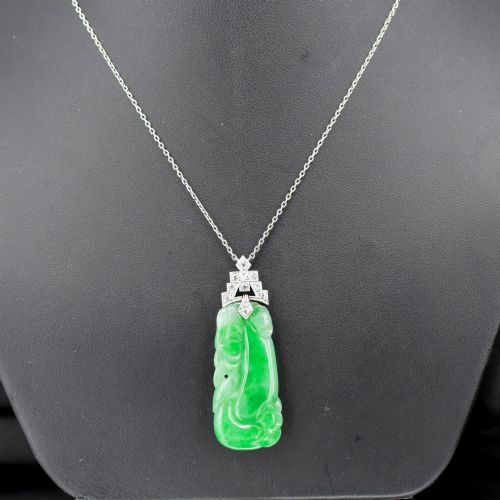
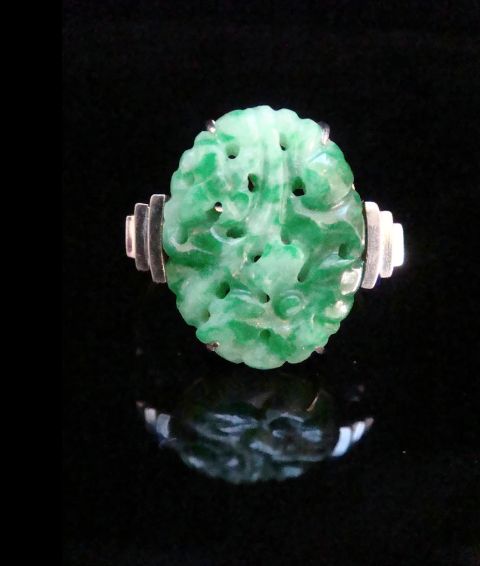
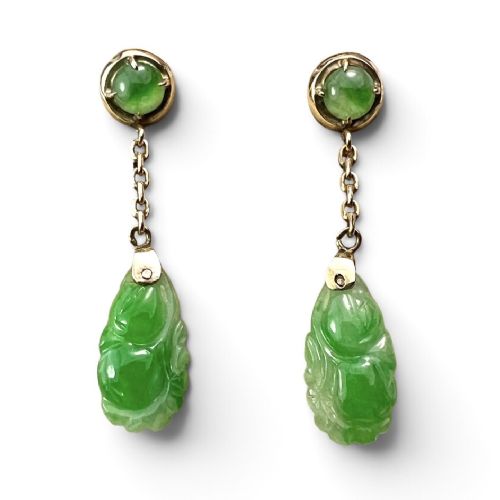
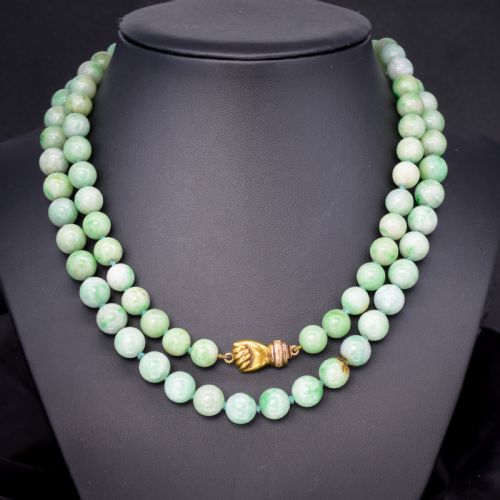
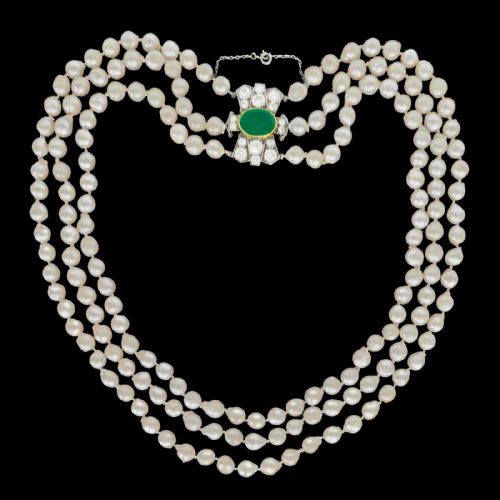
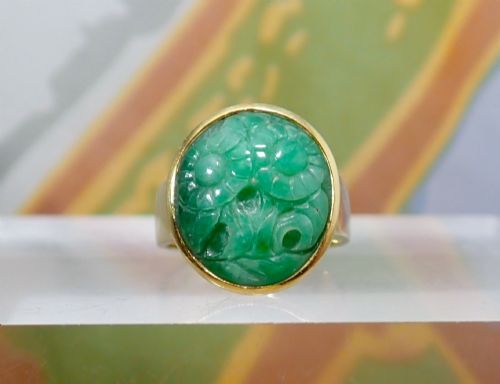
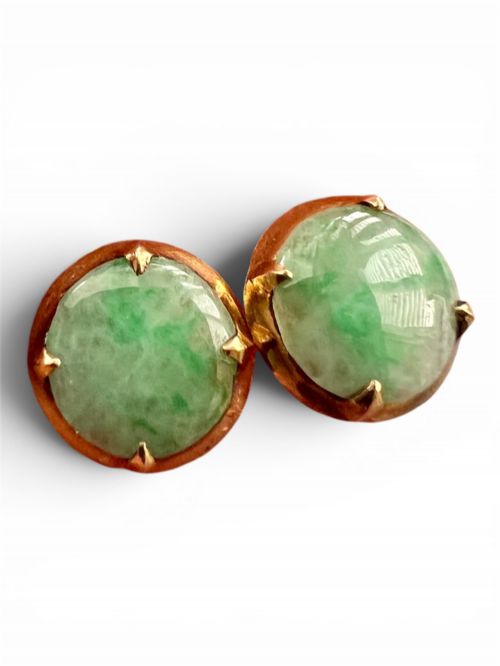
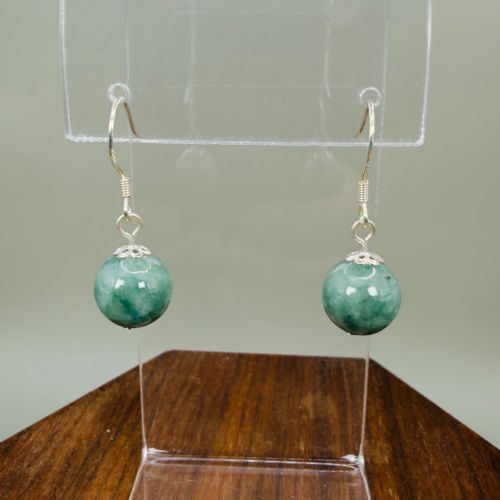
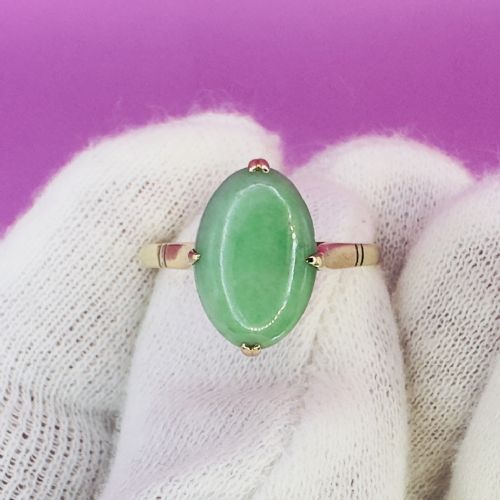
The version you are most likely to meet on this page is an Art Deco ring or a pair of earrings featuring carved green jadeite set in platinum or gold, often accented with small diamonds. Alongside these, beaded necklaces and pendants surface frequently, utilising yellow, rose, and white gold settings.
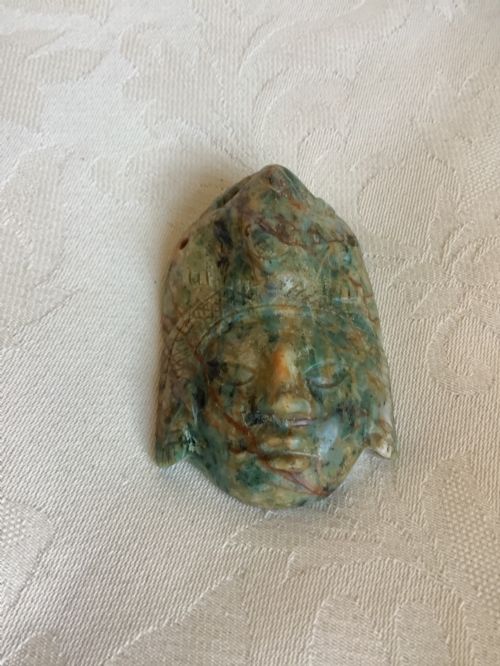
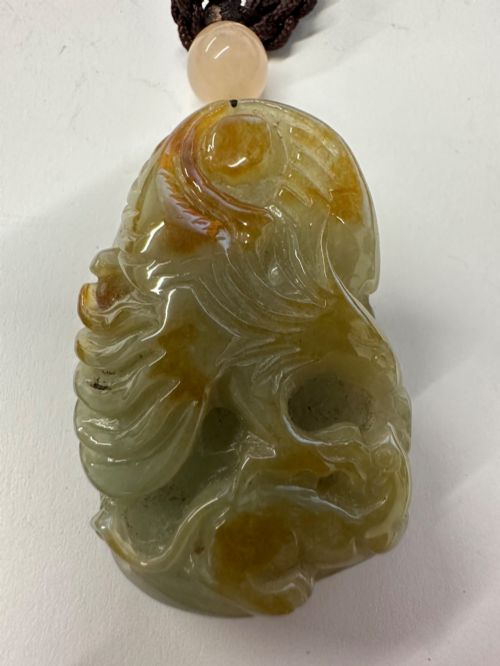
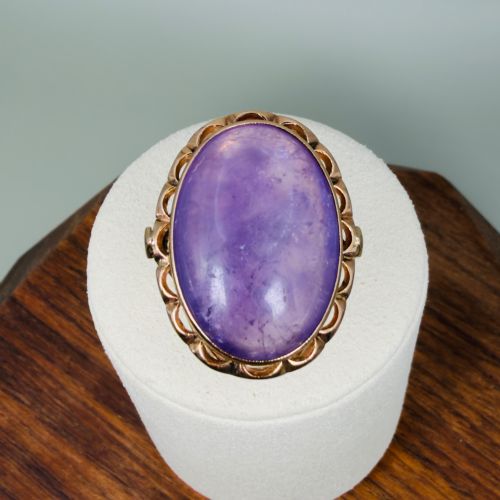
The forms range from simple cabochon solitaire rings to elaborate double dragon pendants and carved phoenix motifs. Materials shift between intense imperial green stones and pale, lavender, or russet-toned varieties, reflecting diverse global tastes across the periods.
How they were made
The construction of these pieces relies on the pairing of dense, hard jadeite stones with precious metals like platinum and various carats of gold, including 9ct, 14ct, and 18ct. Stones are shaped into smooth cabochons or intricately hand-carved into figures, foliage, and geometric panels, then secured within metal mounts.
Master jewellers integrated diamonds and cultured pearls to frame the central jadeite elements, utilising millegrain edges and openwork galleries typical of Edwardian and Art Deco design. Drop earrings and pendants incorporate articulated joints and screw-back or hook findings to allow movement.
Antique Jadeite Jewellery Retail Price Guide 2026
Typical asking prices for jadeite jewellery among the pieces listed under this phrase on Sellingantiques today, from the lower quarter to the upper quarter. They describe what is for sale here now, not the wider market.
Listings feature items mounted in platinum, yellow gold, rose gold, and sterling silver, spanning the Edwardian era through the 1960s.
What varies in quality
Quality rests significantly on the saturation and translucency of the jadeite itself, ranging from pale green beads to vivid imperial colour stones with deep internal glow. The crispness of the hand-carving on panels and pendants also distinguishes finer work from simpler commercial output.
The choice of surrounding metal and gemstone integration plays a role, with heavy platinum or high-carat gold mountings set with matching diamonds marking the upper tier of execution. Structural integrity in delicate filigree, secure stone settings, and original clasps or closures complete the assessment.
The Antique Jadeite Jewellery Glossary
- Jadeite
- A pyroxene mineral and one of the two distinct minerals known as jade, prized for its vivid green colour and translucent quality. It is tougher than nephrite and takes a high polish.
- Cabochon
- A gemstone shaped and polished with a smooth, rounded convex surface rather than faceted. This cut highlights the natural depth and colour of the jadeite.
- Imperial colour
- A trade term describing the most highly valued emerald-green shade of jadeite. Such stones display intense saturation and high translucency.
- Art Deco
- A design style prevalent in the 1920s and 1930s characterised by sleek geometric shapes, stylised motifs, and strong contrasts. In jewellery, it frequently pairs carved jadeite with platinum and diamonds.
- Republic Period
- A phase in Chinese history from 1912 to 1949 noted for distinct artistic output. Pendants and carvings from this era often feature traditional motifs like dragons and phoenixes.
Antique Jadeite Jewellery: Frequently Asked Questions
How do I care for antique jadeite jewellery?
Clean these pieces gently using warm water and a soft cloth, avoiding harsh chemical cleaners or ultrasonic machines that might compromise treated or mounted stones. Store items individually in lined boxes to prevent scratches from harder gemstones.
Inspect the settings periodically, particularly on older claw-set rings and drop earrings, to ensure the stones remain secure within their gold or platinum mounts.
Can I wear these rings every day?
While jadeite is a durable mineral, antique settings from the Edwardian and Art Deco periods are delicate and benefit from mindful wear. Removing rings before heavy lifting, gardening, or swimming preserves the integrity of the gold or platinum claws.
Pairing daily rotation with occasional checks by a specialist ensures the fine millegrain and diamond accents stay intact.
How can I tell the period of a piece?
Dating relies on stylistic clues, such as the symmetrical geometry and platinum use in Art Deco items, or the organic, flowing lines of Edwardian work. Material choices, like 14ct or 18ct gold, and clasp mechanisms also provide chronological markers.
Gemological reports, such as those from assay offices, occasionally accompany pieces to confirm period characteristics and natural stone origins.
What is the difference between jadeite and nephrite?
Jadeite and nephrite are two chemically distinct minerals that both fall under the broad description of jade. Jadeite is generally brighter in colour, harder, and capable of a more glassy polish.
Historical Chinese carvings and Western jewellery utilise both, though fine translucent green pieces typically prove to be jadeite.