


Antique Italian Wooden Box
These antique italian wooden box pieces bring historic craftsmanship into a room, offering genuine utility and rich period character.
Antique Italian Wooden Box
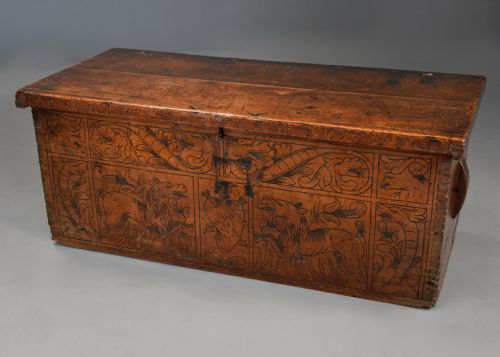
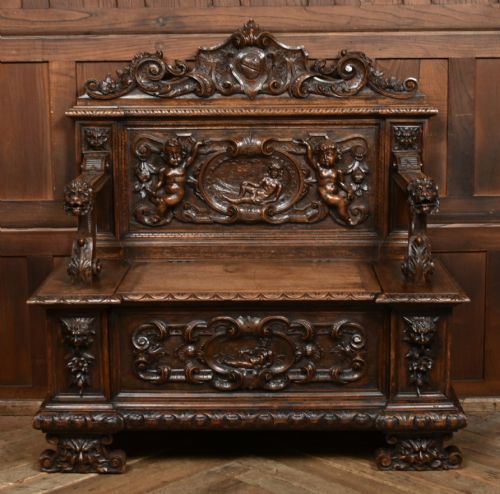
An antique italian wooden box spans diverse forms, ranging from small desk caskets and keepsake cases to substantial walnut coffers and cassone benches. Buyers searching this phrase encounter everything from intimate Sorrento marquetry souvenirs to monumental seventeenth-century storage chests.
The pieces appearing most frequently demonstrate traditional joinery and regional decorative motifs tied closely to their period of origin. These items function equally well as standalone display objects or practical receptacles for small valuables and documents.
Materials and construction methods
Craftsmen built these pieces using native and regional timbers such as walnut, olive wood, cypress, and fruitwood. Structural elements often incorporate secondary woods like oak, whilst iron and brass provide hinges, locks, and corner mounts.
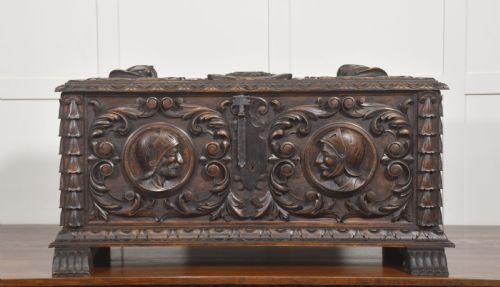
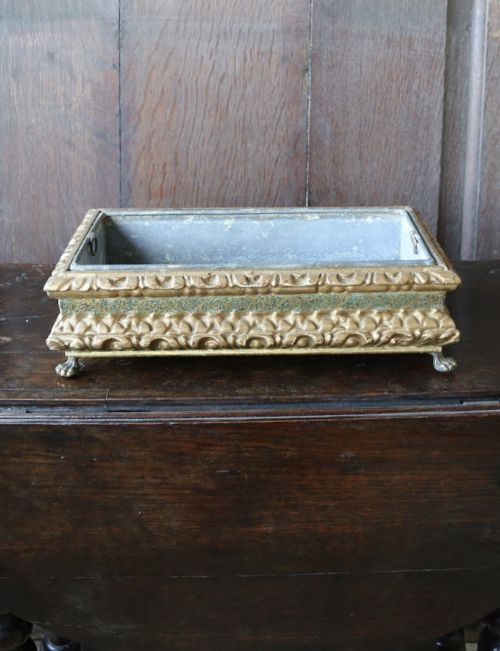
Surface enrichment relies on specialised techniques including intricate marquetry inlay, bone inlay, micro-mosaic pietra dura panels, and applied giltwood. Carving is executed directly into the primary timber to create figural medallions, putti, and bold Renaissance revival reliefs.
Some nineteenth-century makers cleverly shaped solid olive wood boxes to resemble stacked leather-bound books.
Distinctions in execution and condition
Quality rests upon the crispness of the carving, the precision of the marquetry or inlay work, and the preservation of original surface patination. Superior examples retain their structural integrity alongside authentic hardware and mountings.
Lesser items suffer from extensive timber replacement, degraded lacquer, or poorly executed later repairs that obscure the original hand of the maker. The depth of relief work and the complexity of the internal compartments also separate standard items from exceptional ones.
The Antique Italian Wooden Box Glossary
- Cassone
- A large Italian chest or coffer, typically constructed from walnut and used historically for storing household valuables or dowry items. These pieces frequently feature elaborate carving or gilt decoration.
- Pietra dura
- An artistic technique using cut and fitted polished coloured stones to create geometric or pictorial designs. It appears mounted into the lids and panels of decorative caskets.
- Sorrento ware
- Woodwork decorated with micro-mosaic marquetry and intricate inlay, originating from the town of Sorrento in southern Italy during the nineteenth century. Boxes in this style often depict architectural scenes or floral motifs.
- Giltwood
- Timber that has been coated with a thin layer of gold leaf or gesso and pigment. This finish highlights carved architectural details on Baroque and Renaissance revival caskets.
Antique Italian Wooden Box: Frequently Asked Questions
How were antique Italian boxes used originally?
These items served primarily for storing valuable documents, jewellery, textiles, and precious personal belongings within affluent households. Large coffers functioned as dowry chests, while smaller caskets remained on tables or desks for daily access.
Over time, grand tour travellers also purchased portable examples as souvenirs of their journeys through Italy. Their dual role as secure storage and decorative furniture ensured they occupied prominent positions in period interiors.
What is a Sorrento box?
A Sorrento box is a decorative wooden container featuring detailed marquetry and inlay work made in southern Italy. Artisans used contrasting woods like olive and fruitwood to create pictorial scenes, geometric patterns, and botanical motifs.
These pieces became exceptionally popular during the nineteenth century as tourists collected them during grand tours. They often take the form of jewellery caskets, folding travel mirrors, or book-shaped receptacles.
How do I distinguish between seventeenth-century and nineteenth-century pieces?
Seventeenth-century items typically feature heavy walnut construction, deep hand-carving, and structural forms like cassone chests or cypress coffers. Their decoration aligns with Renaissance, Baroque, or Gothic revivals, relying on figural medallions and original patination.
Nineteenth-century items often embrace revival styles alongside lighter decorative techniques such as Sorrento marquetry, ebonising, and bone inlay. They include smaller table boxes, vanity cases, and presentation insignia boxes influenced by historical revivals.
How do I care for wooden boxes with marquetry?
Maintain a stable room environment away from direct sunlight and sudden temperature fluctuations to prevent the timber from warping. Keep humidity levels moderate to protect delicate veneer and inlay work from lifting.
Dust the surface gently with a dry, soft cloth and avoid applying modern chemical polishes or excessive moisture. Preserving the dry original finish ensures the historic character remains intact.