






Antique Italian Plate
An antique italian plate brings traditional craftsmanship to your home, offering painted ceramics, mirrored glass, and decorative metalware.
Antique Italian Plate
When searching for an antique italian plate, buyers encounter a diverse range of items including tin-glazed earthenware chargers, ceramic serving platters, and engraved wall mirror plates. These pieces span centuries of production, reflecting historical styles from Renaissance Revival to Venetian and Italian Rococo.
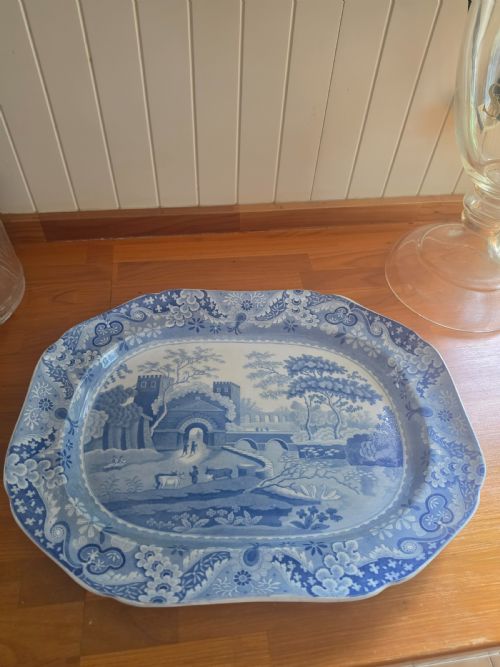
Alongside mainland Italian items, the listings include British adaptations and patterns inspired by Italian subjects, such as blue and white ceramics produced by Spode during the Georgian era. Each form serves a distinct decorative or functional purpose within historical interior schemes.
Materials and construction methods
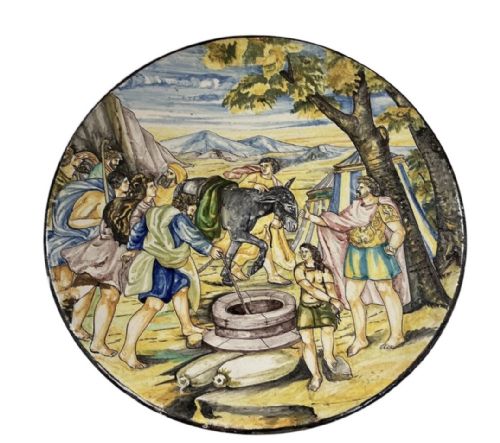
Ceramic pieces rely on earthenware and tin-glazed earthenware bodies, often finished with hand-painted glazes depicting classical historical scenes in the maiolica tradition. Workshops shaped these clays into large wall chargers and serving platters using traditional throwing and moulding techniques.
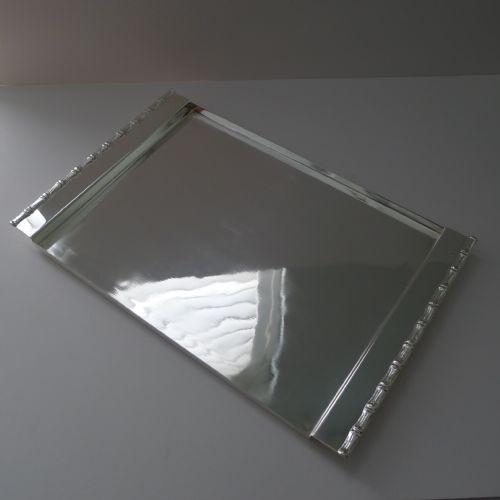
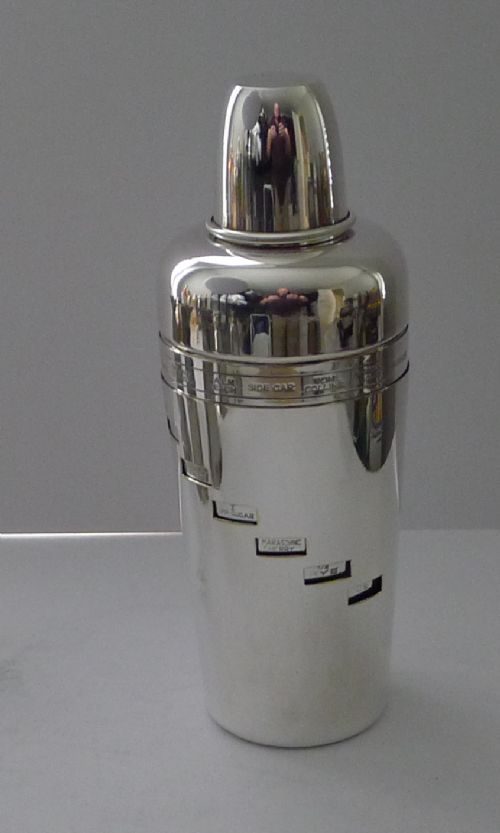
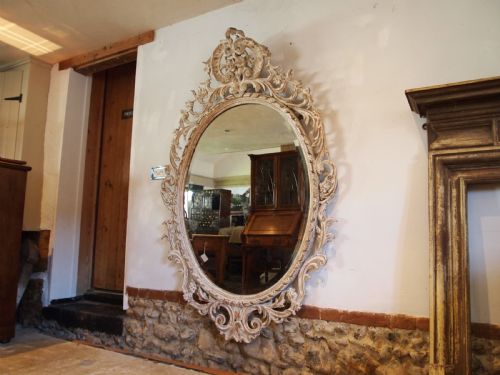
Mirror plates utilise glass set into timber frames of olivewood or carved gilt-wood, frequently enhanced with gesso ornamentation. Metal items incorporate silver plating and nickel plating over base metals to create barware and decorative figures.
Antique Italian Plate Retail Price Guide 2026
Typical asking prices for italian plate among the pieces listed under this phrase on Sellingantiques today, from the lower quarter to the upper quarter. They describe what is for sale here now, not the wider market.
Listings combine 18th-century and 19th-century ceramic chargers with mid-century silver-plated barware and carved wooden mirrors.
Assessing craftsmanship and condition
Quality in ceramic pieces rests upon the precision of the hand-painted brushwork and the stability of the tin glaze, where detailed historical narratives and rich colour palettes distinguish superior examples. The crispness of modelled details in earthenware chargers also indicates the skill of the potter.
For mirrored plates and framed works, value depends on the preservation of the original gilding and the character of the glass, where natural foxing and bevelling contribute to historical authenticity. The depth and complexity of carved wood or gesso frames further separate standard productions from finer workshop pieces.
Spode·Ciceri and Co·Angelletti·Macabo·Bassano
The Antique Italian Plate Glossary
- Maiolica
- Tin-glazed earthenware produced in Italy, typically brightly painted with historical or ornamental scenes. This technique flourished during the Renaissance and continued through subsequent centuries.
- Charger
- A large decorative plate or platter designed for display on a wall or sideboard rather than for practical dining use. These items frequently feature pictorial designs.
- Foxed plate
- Mirror glass displaying small brown spots and patches caused by the degradation of the silver backing over time. This ageing process is valued by collectors for its antique appearance.
- Gesso
- A plaster-like material applied to wood frames before gilding to create raised ornamental details. It is carved and smoothed to receive gold leaf.
- Istoriato
- A style of pottery decoration where narrative scenes cover the entire surface of the ceramic piece. These scenes often depict classical or historical subjects.
Antique Italian Plate: Frequently Asked Questions
What is a maiolica charger?
A maiolica charger is a tin-glazed earthenware plate decorated with hand-painted pigments, often featuring narrative historical scenes.
These large pieces were primarily intended for display on walls or sideboards in grand interiors rather than for serving food.
How do I identify a Venetian mirror plate?
Venetian mirror plates typically incorporate engraved glass panels set within ornate frames, sometimes featuring bevelled edges.
Over time, the reflective backing develops foxing, which presents as characteristic dark spots within the glass.
Are Spode Italian pattern items antique?
Spode produced blue and white transfer-printed ceramics featuring Italian architectural scenes from the Georgian period onwards.
These British-made pieces borrow Italian landscape motifs while utilising traditional earthenware manufacturing methods of the nineteenth century.
How should I display a wall charger?
Wall chargers require sturdy fixings or specialist plate hangers designed to support the weight of dense earthenware.
Positioning them away from direct sunlight protects the painted tin glazes from potential fading over time.