

Antique Italian Oil Landscape
When you search for an antique italian oil landscape, you encounter centuries of artists capturing the light, ruins, and lagoons of the peninsula.
Antique Italian Oil Landscape
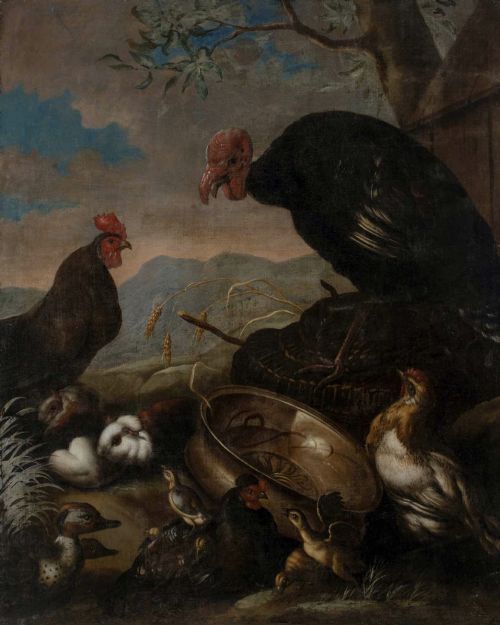
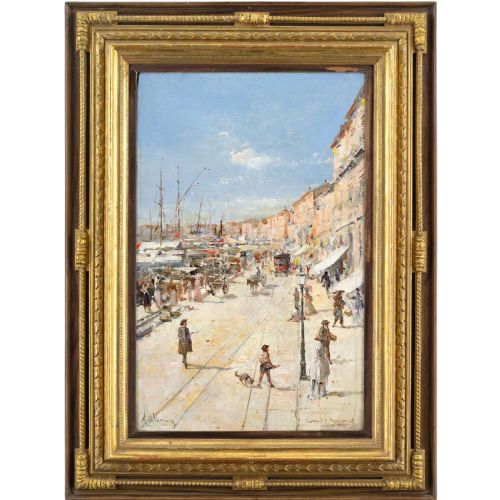
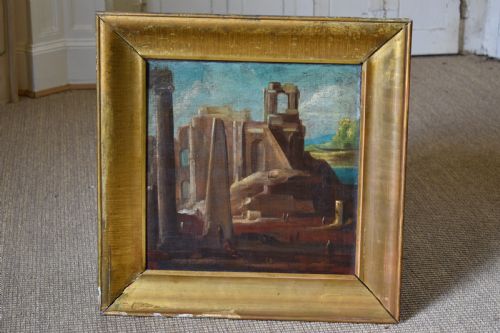
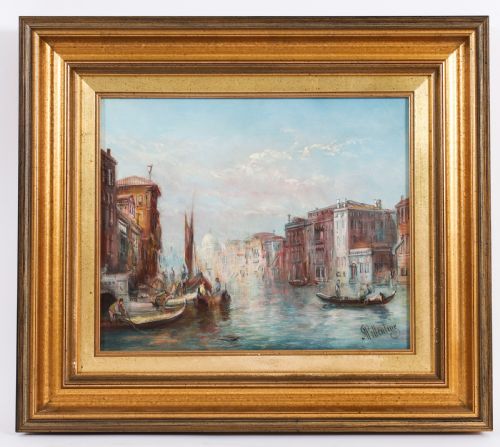
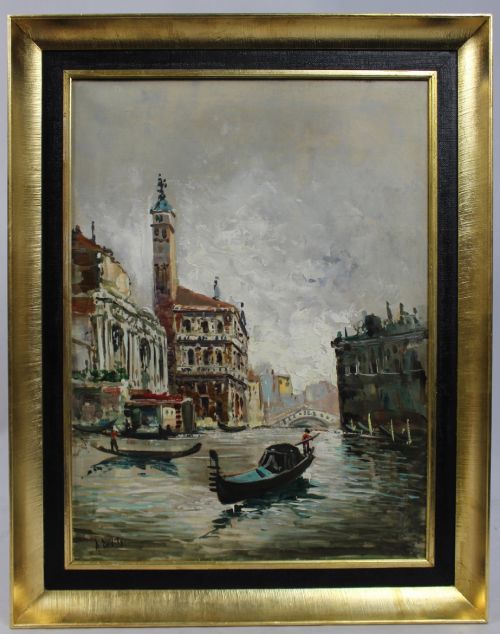
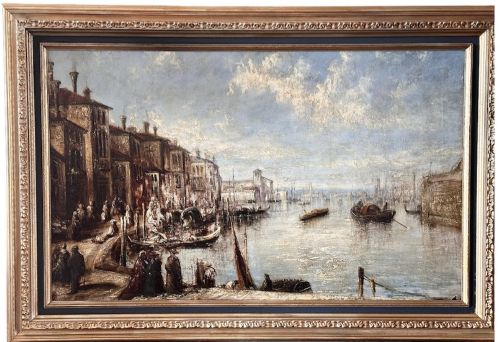
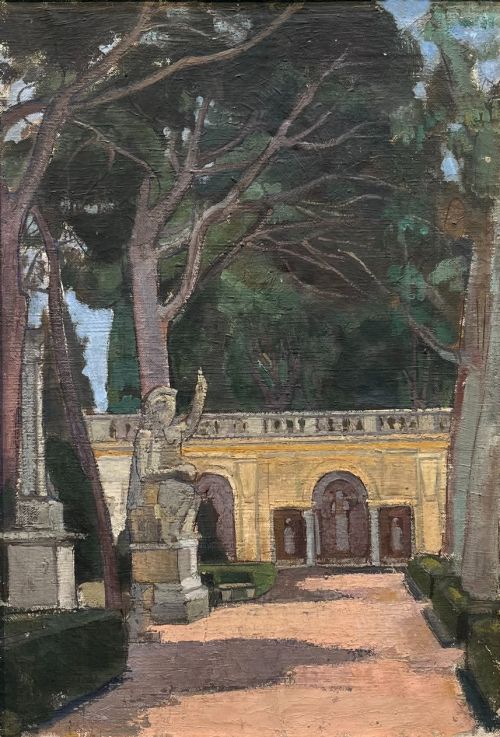
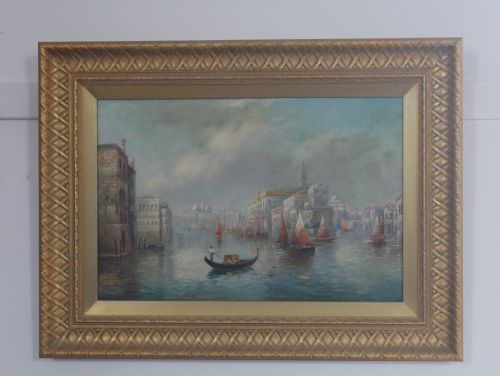
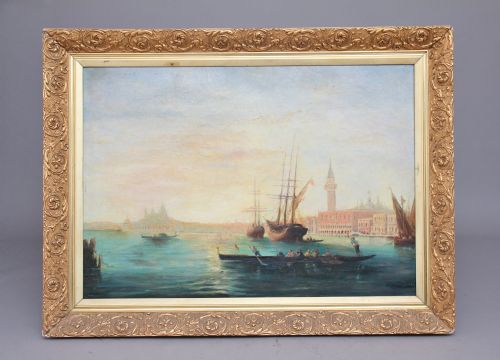
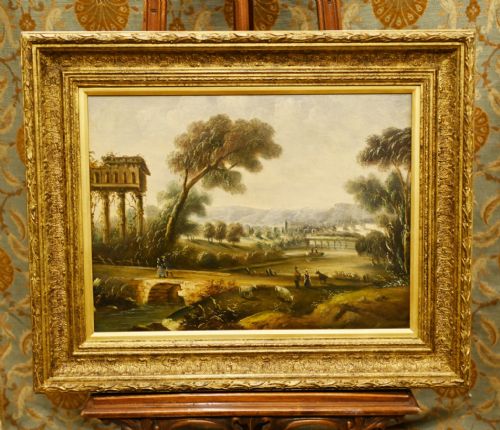
An antique italian oil landscape captures the topography, architecture, and light of Italy, ranging from grand vistas of Venice and Rome to pastoral countryside scenes featuring classical ruins. Buyers frequently encounter 19th-century works depicting the Grand Canal, alongside earlier 17th and 18th-century compositions rooted in the Italian School and the Grand Tour tradition.
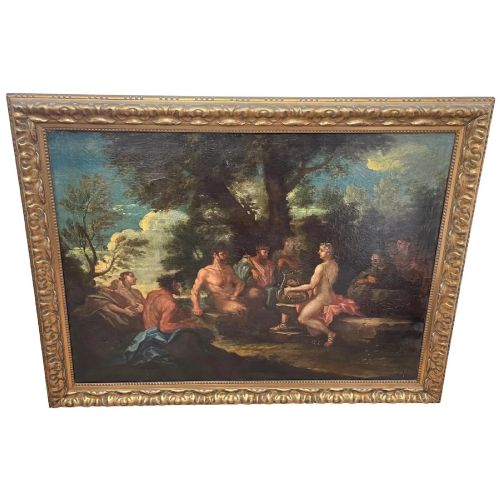
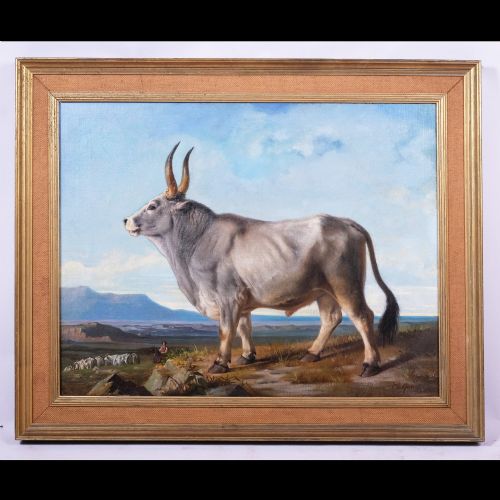
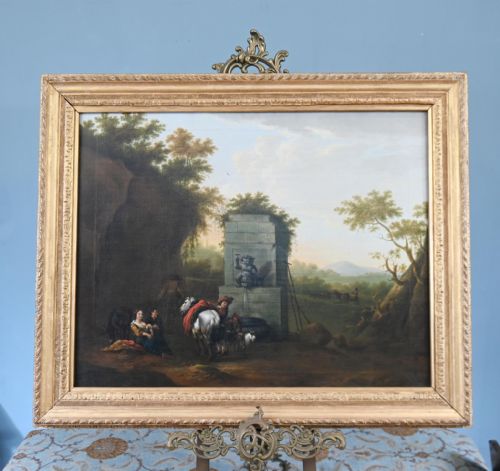
The subjects divide into distinct categories such as urban townscapes, marine views of the Bay of Naples or the Venetian lagoon, and idealized pastoral scenes populated by figures, cattle, and classical architecture. These paintings served as prized mementoes for travellers or as standalone statements of European artistic taste.
Materials and Construction
Painters typically applied oil paint to woven canvas or occasionally wood panels, building rich textures through layered brushwork and subtle glazing techniques. Many surviving examples retain their period frames constructed from wood, embellished with gesso, and finished with gold leaf or gilt.
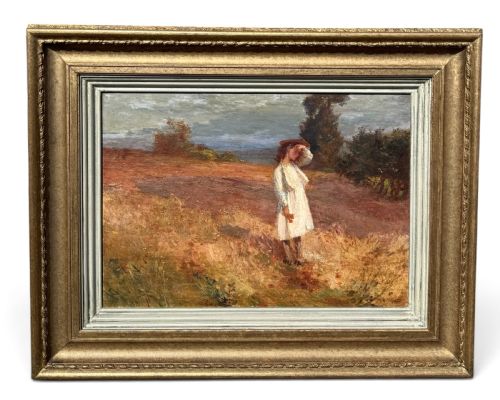
The physical structure of these works often includes stretcher frames for canvases and heavy carved wooden surrounds that complement the traditional subjects. Pigments varied by period, shifting from the earthy palettes of earlier centuries toward the brighter tones seen in later impressionist interpretations.
The inventory highlights regional Italian subjects spanning Venice, Rome, Naples, and the Tuscan countryside.
Execution and Preservation
Quality rests in the brushwork, spatial depth, and atmospheric perspective, where superior hands render the specific quality of Mediterranean light and architectural detail with precision. Weaker examples lean on formulaic repetition of ruins and figures without the compositional balance found in masterworks.
The condition of the oil paint surface and the originality of the frame heavily influence the standing of a piece. Works retaining their untouched canvas surfaces and original giltwood frames command deeper appreciation among collectors.
Angelo Maria Crivelli·Augusto Alberici·Alfred Pollentine·Francis Moltino·Umberto Volpato·Giovanni Paolo Panini·Claude Lorrain·Giulio Cecchini·William Raymond Dommersen·Antonietta Brandeis·Francesco Zuccarelli·Jane Vivian·Consalvo Carelli·Antonio Allegri Correggio·Franz Joachim Beich·Louis Belanger·Carlo Follini·Filiberto Petiti·Hans A Trier
The Antique Italian Oil Landscape Glossary
- Capriccio
- An architectural fantasy placing together ancient ruins, classical buildings, and other elements in a fictional landscape. This compositional style enjoyed immense popularity during the 18th century.
- Grand Tour
- A traditional trip through Europe undertaken by upper-class European young men of means during the 17th, 18th, and 19th centuries. Italy served as the primary destination for acquiring art.
- Pentimento
- A visible trace of earlier painting beneath a layer of paint, showing where the artist changed their mind. This occurrence often authenticates older canvases.
- Giltwood
- Wood that has been dressed with a thin layer of gold leaf or powder. It forms the primary material for traditional ornate picture frames.
- School of Posillipo
- A 19th-century group of landscape painters based near Naples who focused on direct observation of nature and coastal light. Their work defined the depiction of southern Italian seascapes.
Antique Italian Oil Landscape: Frequently Asked Questions
What is a capriccio landscape?
A capriccio is an architectural composition where an artist combines real and imaginary ruins, classical monuments, and landscapes into a single fictional view. These paintings reflect the imaginative engagement with antiquity prevalent in European art.
Such scenes allow viewers to see familiar Italian landmarks juxtaposed in impossible arrangements, designed entirely for aesthetic harmony rather than topographical accuracy.
How do I identify a Grand Tour painting?
Grand Tour paintings typically depict famous Italian monuments, Venetian canals, or Roman ruins created as souvenirs for wealthy travellers exploring Europe. They capture the specific sights that visitors sought to remember from their travels.
These works often match standard portable sizes to facilitate transport home, executed by local artists catering directly to foreign patronage.
What canvas sizes are common?
Sizes range from small cabinet pieces and miniature wood panels intended for intimate display up to large canvases measuring fifty by forty inches or greater. Larger formats usually depict grand Venetian vistas or expansive architectural scenes.
Compact works suit smaller wall spaces, while monumental canvases function as focal points in period interiors.
How should I care for an oil painting?
Keep oil paintings away from direct sunlight and dramatic fluctuations in temperature and humidity to prevent canvas warping and paint cracking. Stable indoor environments preserve both the pigments and the wooden stretcher frames.
Dust surfaces gently with a soft, dry brush and avoid liquid cleaners. Professional conservators should handle any deep cleaning or canvas repairs.