




Antique Italian Etching
These antique italian etching works bring classical architectural detail and intricate printmaking from past centuries directly into modern interiors.
Antique Italian Etching
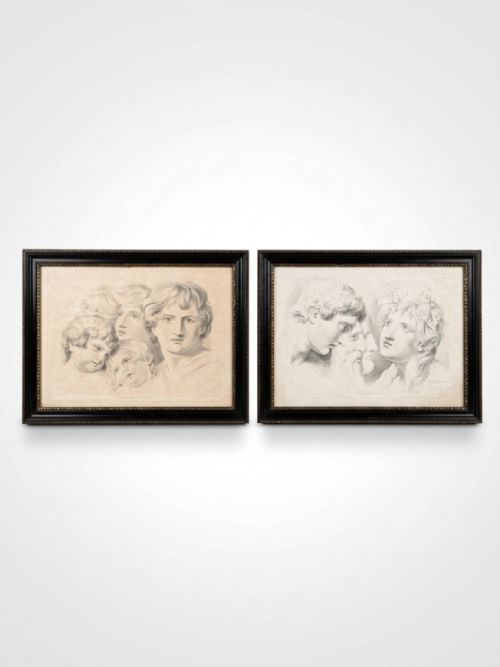
When you search for an antique italian etching, you encounter works on paper that capture classical architectural scenes and historical compositions. The selection ranges from copper engravings after Renaissance masters to eighteenth-century coloured plates depicting Vatican frescoes.
While the search term specifies an etching, the inventory also encompasses related works on paper such as engravings. These prints often record monumental Italian subjects intended for collectors of classical antiquity.
How they were made
Makers applied ink to prepared surfaces, pressing the pigment onto paper to create fine lines and tonal gradations. Many examples utilise copper plates etched or engraved by hand to reproduce grand frescoes and architectural monuments.
The resulting prints often received hand colouring to enhance the architectural details and decorative borders. Publishers issued these plates in series, documenting the monumental rooms and classical ornamentation of Italy.
Some seventeenth-century plates document grand Italian staircases and candelabras with such precision that you can practically hear the echoes of historic Roman palazzos.
What varies in quality
Quality rests in the crispness of the line work and the clarity of the printed impression. Early impressions from copper plates show sharp details in architectural elements, whereas later strikes can lose definition.
The condition of the paper and the application of any original hand colouring further distinguish standard prints from superior collector examples. Well-preserved margins and stable paper support elevate the standing of an individual plate.
The Antique Italian Etching Glossary
- Etching
- A printmaking process where acid bites lines into a metal plate to hold ink. This technique allows for fluid, expressive lines compared to direct engraving.
- Engraving
- A method of cutting design lines directly into a metal plate with a sharp tool called a burin. It produces precise, clean lines favoured for architectural reproduction.
- Copper Plate
- The metal sheet used as the matrix for transferring ink onto paper. Copper permits fine detail before the metal wears down from repeated press use.
- Plate Mark
- The indentation left on the paper by the edge of the metal plate during printing. Its presence confirms the traditional intaglio printing process.
Antique Italian Etching: Frequently Asked Questions
How should I frame an antique print?
Protect works on paper by using acid-free mounts and framing materials that prevent the paper from touching the glass directly. Keep the framed piece away from direct sunlight to prevent the ink and any hand colouring from fading over time.
Ensure the backing board is archival quality to maintain the stability of the paper fibres. Proper sealing keeps out atmospheric dust and environmental moisture.
Are these prints originals from the period?
The dates on these pieces indicate when the plates were printed, spanning from the seventeenth to the nineteenth centuries. Review the specific century noted in each listing to understand the age of the physical impression.
Many architectural series record earlier Renaissance designs but were published in subsequent centuries. Check the publication details in the title for exact attribution.
What is the difference between an etching and an engraving?
An etching relies on acid to bite the lines into the metal plate, resulting in softer, more varied lines. An engraving uses a physical tool to carve directly into the metal, creating sharper, more uniform strokes.
Both techniques fall under intaglio printing where ink sits in the recessed grooves. Close inspection with a magnifier often reveals the characteristic line quality of each method.