



Antique Italian Engraving
These antique italian engraving works bring classical architecture, historic maps, and Renaissance frescoes straight onto your wall.
Antique Italian Engraving
When you search for antique italian engraving, you encounter works printed on paper spanning the seventeenth century through to the nineteenth century. These sheets capture architectural scenes, regional maps, and compositions derived from Renaissance frescoes.
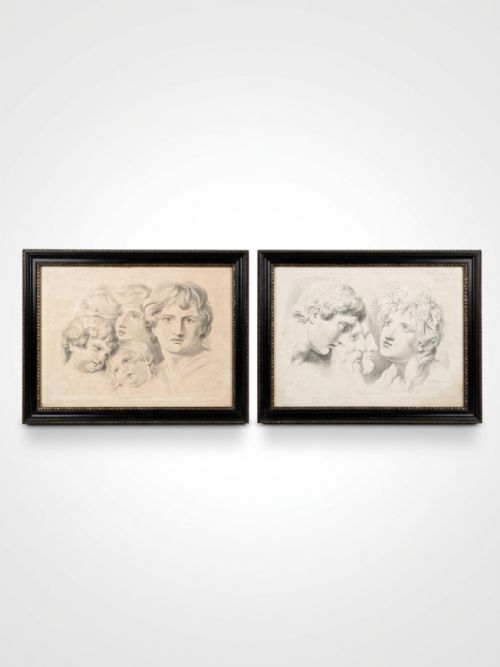
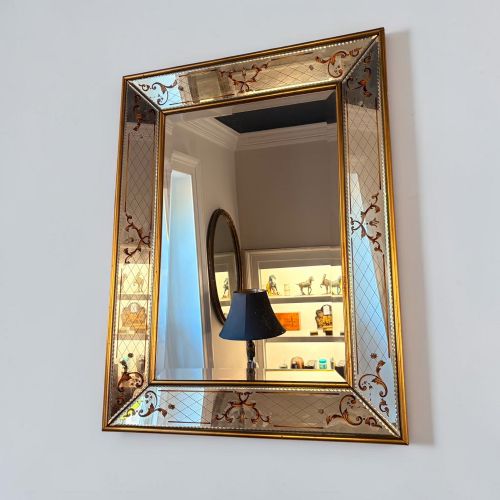
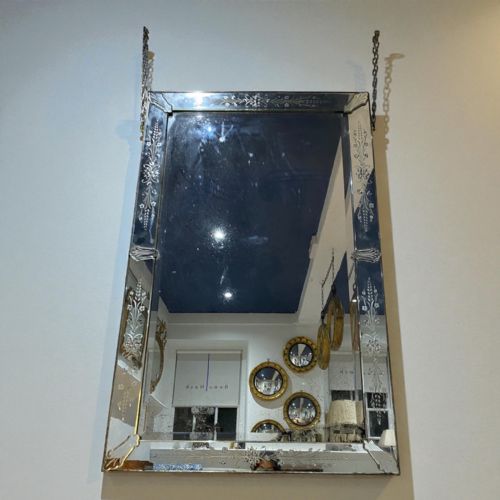
The selections frequently manifest as framed prints or sets depicting classical motifs, alongside wall mirrors featuring engraved plates. Originating across different eras, these items reflect enduring Italian aesthetic traditions from the neoclassical to the rococo taste.
Materials and techniques
Makers produced these works using ink pressed onto paper plates, often employing copper engraving techniques to achieve fine lines and detailed imagery. Publishers and printmakers worked from source material designed by classical artists and fresco painters.
Framed examples utilise wood, glass, and gold leaf, while mirrors incorporate engraved glass plates alongside mirrored surfaces. Selected pieces also combine metal elements with paper or copper components.
Antique Italian Engraving Retail Price Guide 2026
Typical asking prices for italian engraving among the pieces listed under this phrase on Sellingantiques today, from the lower quarter to the upper quarter. They describe what is for sale here now, not the wider market.
Judging quality and execution
The distinction between tiers rests upon the clarity of the ink lines and the fidelity of the impression taken from the copper plate. Finer works display sharp detail in complex architectural scenes and figures, whereas lesser examples show softer lines.
Material preservation also defines the standard, particularly the condition of the paper, the integrity of the framing materials, and the original state of engraved mirror plates.
The Antique Italian Engraving Glossary
- Engraving
- A printmaking technique where an artist cuts lines into a metal plate, usually copper, to hold ink. This method allows for precise and durable reproduction of detailed images.
- Etching
- A process where acid bites into metal plates to create recesses for ink. It appears frequently alongside engraved works in multi-plate prints.
- Cartography
- The creation and study of maps. Antique examples in this category chart Italian regions and territories from past centuries.
Antique Italian Engraving: Frequently Asked Questions
What subjects do these engravings show?
These works display architectural scenes, regional maps of Italy, and interpretations of Vatican frescoes. Many pieces record classical antiquity and Renaissance designs.
Subjects range from cartography to mythological battles and decorative wall panels.
How should I hang an antique engraving?
Keep works out of direct sunlight to protect the paper and ink from fading over time. Ensure the room humidity remains stable to preserve the paper and wooden frames.
Use professional framing with UV-protective glass where possible to secure the piece against environmental wear.
How do I identify the period of a print?
Examine the paper texture, watermark, and typography used in the titles or publisher inscriptions along the bottom margin. Stylistic cues such as neoclassical or baroque framing also offer clues.
Consulting historical records of the named printmaker or publisher helps narrow down the printing decade.
Were these prints made as sets?
Many architectural and decorative engravings were published in matching series to adorn grand rooms. Sets often illustrate sequences from specific locations like the Vatican Loggie.
Individual prints also exist alongside these coordinated multi-plate sets.