




Antique Ironwork
Antique ironwork comprises domestic implements and architectural fittings forged from wrought and cast metal across several centuries.
Antique Ironwork
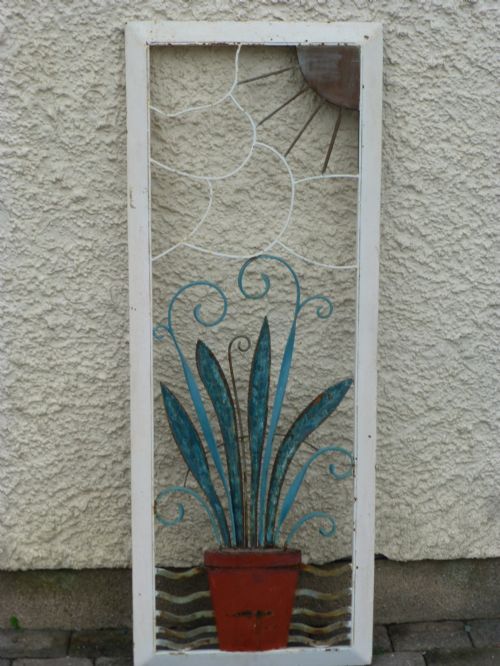
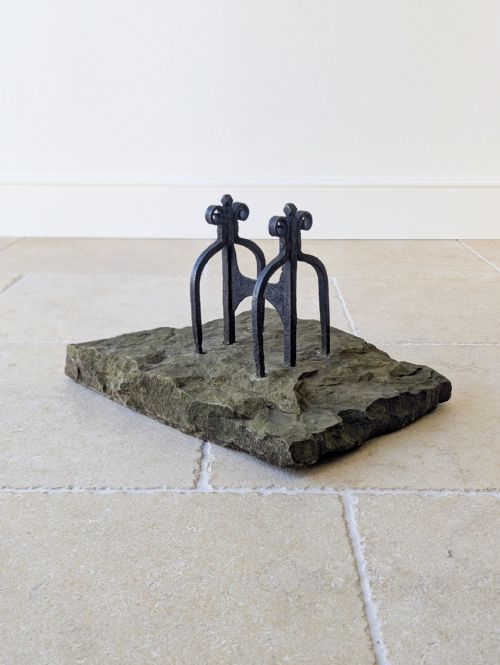
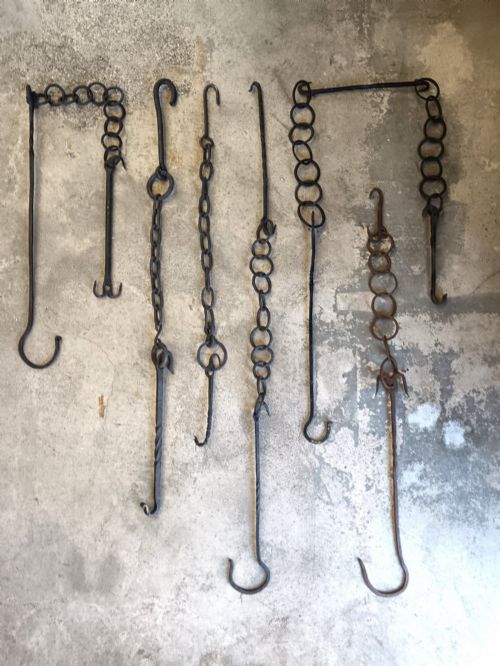
When you search for antique ironwork, you encounter a diverse range of functional and decorative items spanning multiple centuries. The selection covers domestic utensils like rushlight holders and trammel hooks alongside architectural elements such as gates, balcony panels and boot scrapers.
The objects appearing most frequently on this page originate from the eighteenth and nineteenth centuries, reflecting domestic and agrarian use. Common forms include hearth accessories, garden gates and early lighting apparatus forged or cast by local blacksmiths and regional foundries.
How they were made
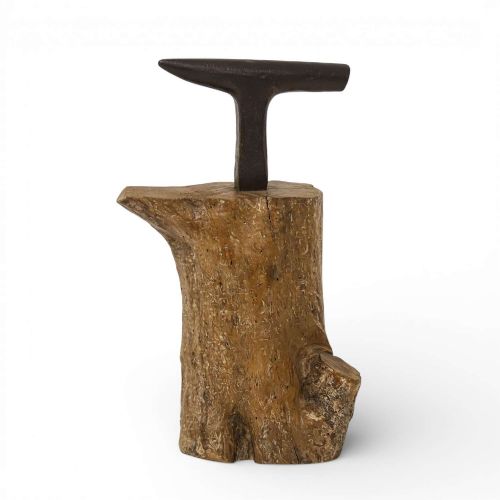
Makers shaped wrought iron manually at the forge while the metal was red-hot, utilising hammers and anvils to draw, bend and weld components together. This hand-forging technique creates visible hammer marks and subtle irregularities unique to each individual piece.
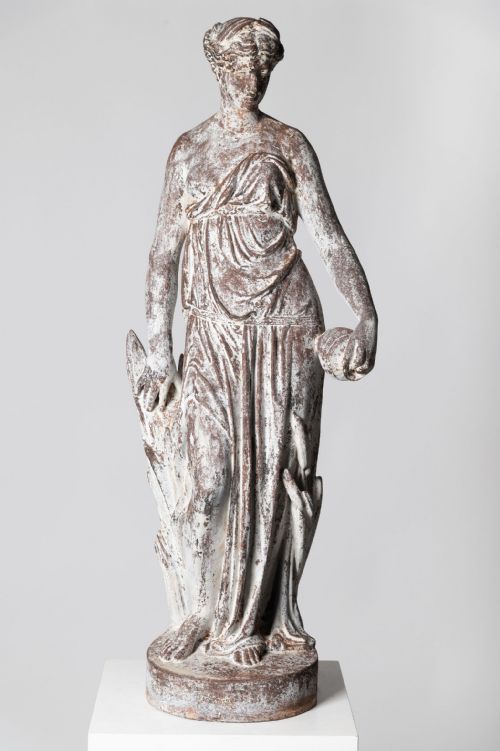
Cast iron production involved pouring molten metal into sand or loam moulds, allowing workshops to replicate intricate decorative details consistently. Foundries produced structural panels, garden statuary and architectural brackets using this method, frequently incorporating timber or stone supports.
Antique Ironwork Retail Price Guide 2026
Typical asking prices for ironwork among the pieces listed under this phrase on Sellingantiques today, from the lower quarter to the upper quarter. They describe what is for sale here now, not the wider market.
Listings feature items spanning the sixteenth to the twentieth centuries, utilising wrought iron, cast iron, steel, bronze, oak and walnut.
What varies in quality
The distinction between ordinary utility items and exceptional pieces rests on the intricacy of the blacksmith's forge work or the crispness of the foundry casting. Elaborate scrolls, balanced proportions and fine surface finishes denote superior craftsmanship across gates, hearth cranes and lighting.
Integrity of survival also determines standard, with original mounts, latches and fixings maintaining the historic value of items like cupboards and doors. Pieces retaining their original patination and uncompromised structural components command greater regard among collectors.
Raymond Subes·Val d’Osne foundry·Falkirk Ironworks·Kasli Foundry
The Antique Ironwork Glossary
- Rushlight holder
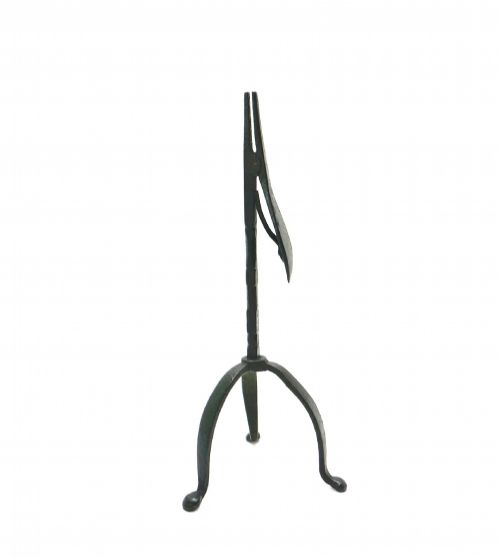
- A spring-action apparatus designed to grip a dried rush dipped in animal fat for domestic illumination. These devices typically feature heavy tripod bases for stability on tables or floors.
- Trammel hook
- An adjustable iron hanger suspended in a chimney to support cooking pots at varying heights over an open hearth. They utilise notched bars or sliding links for height regulation.
- Wrought iron
- Tough, malleable iron produced by hammering metal while hot to remove slag inclusions, resulting in a fibrous grain structure. It bends without snapping under stress.
- Cast iron
- Iron melted and poured into a mould to take complex shapes, possessing high compressive strength but brittle properties. It served widely in Victorian architectural panels and garden furniture.
- Strapwork
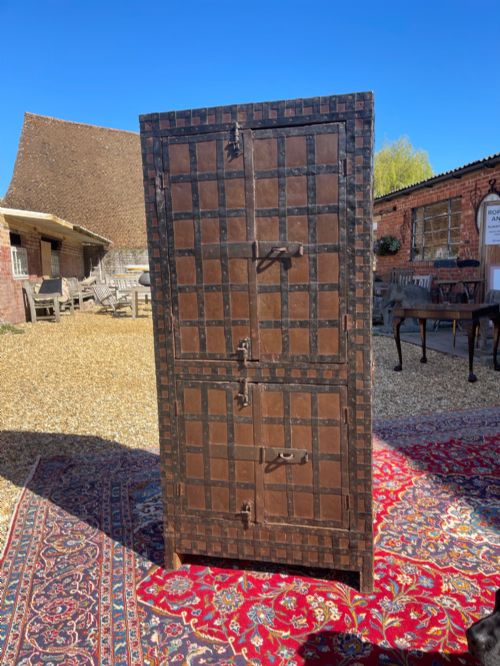
- Flat bands of iron applied decoratively or structurally across gates, doors and heavy chests to reinforce joints. This technique combines functional strength with linear surface ornamentation.
Antique Ironwork: Frequently Asked Questions
How do I clean antique iron?
Remove loose surface dust and debris with a soft dry brush before applying a light coat of microcrystalline wax or specialist oil. Avoid water or harsh chemical cleaners that strip historical patination and promote corrosion.
Buff the metal gently with a clean cloth to seal the surface against moisture. Regular inspection in dry environments prevents further oxidation without altering the historic finish.
Are these gates suitable for outdoor use?
Many architectural gates and panels originated outdoors and retain robust weather resistance. However, centuries of exposure leave historic metal vulnerable to active rust in damp modern climates.
Consult a conservator or specialist blacksmith regarding protective coatings before mounting antique ironwork externally. Proper installation away from standing water preserves the structural integrity of the material.
What is a rushlight holder?
A rushlight holder is a small domestic lighting device from the seventeenth and eighteenth centuries. It uses a counterweighted arm and a spring clip to grip peeled rushes soaked in grease.
These portable stands allowed households to move dim illumination between rooms before candles became widely affordable. Their survival depends on the durability of the iron spring mechanism.
How do I date wrought iron?
Dating relies upon construction methods, tool marks and context such as accompanying timber or architectural hardware. Hand-forged items from earlier centuries display irregular surfaces and primitive joining techniques.
Standardised machine rolling and foundry marks become prevalent during the nineteenth century. Comparing form and assembly with dated examples helps establish an approximate period.