


Antique Iron Wall Sconce
An antique iron wall sconce brings period character and practical illumination to a hallway or reception room.

Antique Iron Wall Sconce
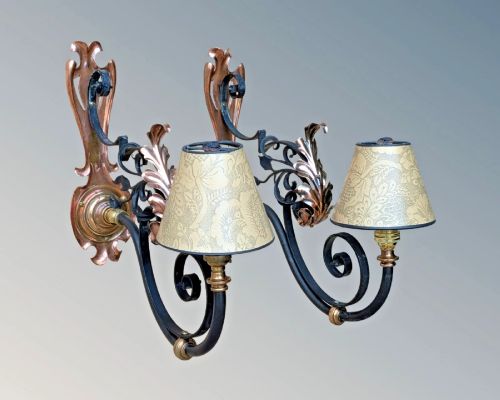
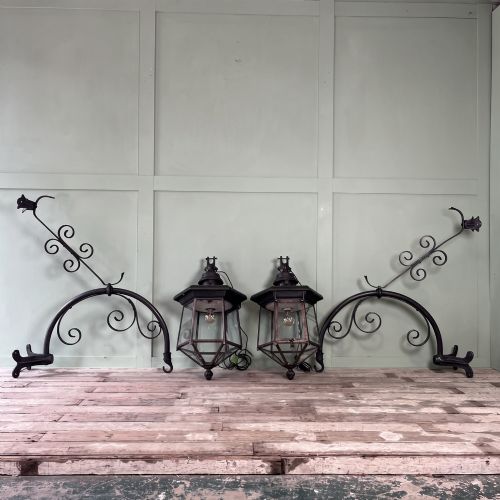
When you search for an antique iron wall sconce, you are looking at domestic and exterior lighting fixtures designed to mount directly onto vertical surfaces. These pieces range from simple single lights to large multi-armed fixtures intended for substantial rooms or outdoor entrances.
The selections span multiple eras, including Victorian pieces, the Arts and Crafts movement, and early twentieth-century French chateau designs. You will encounter wall lanterns, coach lamps, and specialised brackets alongside standard sconces.
How they were made
Blacksmiths and metalworkers shaped wrought iron and cast iron using traditional forging and casting techniques. These structural elements were frequently paired with decorative components in brass, copper, and painted finishes.
Glass panels, frosted shades, and mirror plates were integrated to diffuse or reflect the light source. Early wiring or conversion from oil and gas lamps is common among surviving specimens from the nineteenth and twentieth centuries.
Listings feature wrought iron, cast iron, brass, copper, and frosted glass across Victorian, Arts and Crafts, and twentieth-century French styles.
What varies in quality
The distinction between standard production and superior craftsmanship lies in the articulation of the metalwork and the integrity of the materials. Hand-forged wrought iron displays individual hammer marks and considered proportions that set it apart from mass-produced castings.
The preservation of original surface treatments, such as gilding, polychrome paint, or natural patination, directly impacts the character of the piece. Matching sets of multiple arms or large exterior lanterns also represent a higher order of domestic furnishing.
REVO Leicester
The Antique Iron Wall Sconce Glossary
- Wrought iron
- Iron that has been heated and worked with tools by a blacksmith. This material allows for slender, strong scrolls and decorative brackets.
- Cast iron
- Iron poured into a mould in a liquid state to achieve repeatable forms. It appears frequently in heavier architectural brackets and decorative wall fixtures.
- Gothic Revival
- An architectural and decorative style drawing inspiration from medieval forms. Pieces in this style often feature pointed arches and heavy ironwork.
- Arts and Crafts
- A design movement prioritising traditional craftsmanship and visible hand-working. Items from this period show straightforward construction and honest materials.
Antique Iron Wall Sconce: Frequently Asked Questions
How do I install an antique iron wall sconce?
Most wall-mounted fixtures require secure fixing to wall studs or masonry using appropriate brackets and screws. Many older pieces have been converted to electricity, requiring standard professional wiring into your domestic mains supply.
Ensure that the weight of larger cast or wrought iron pieces is adequately supported by the wall structure. A qualified electrician should handle the final connection to ensure safety and compliance with current standards.
Can exterior wall lanterns be used outside today?
Outdoor lanterns from the nineteenth and twentieth centuries were built to withstand weather using robust metals like iron and copper. However, their current weather-resistance depends entirely on the condition of the seals, glass, and electrical components.
Have an electrician inspect older exterior lighting before outdoor installation to ensure the wiring meets modern damp-location requirements. Regular maintenance of the iron surface prevents corrosion in exposed positions.
How do I date a cast iron wall sconce?
Dating relies on stylistic clues, manufacturing marks, and the types of secondary materials used in the construction. Victorian and nineteenth-century pieces often display heavier Gothic or classical motifs, while 1920s and 1930s examples lean towards French chateau or industrial aesthetics.
Examine the fixings, screw threads, and any remnants of old wiring or fuel burners for clues to the manufacturing era. Comparing the form against documented design periods helps narrow down the decade of production.
How should I clean and maintain wrought iron?
Maintenance involves gentle dusting with a dry cloth and occasionally applying a light coat of clear paste wax to protect the metal surface. Avoid abrasive cleaners or harsh chemical solvents that can strip original patination or painted finishes.
Check wall fixings periodically to ensure the weight of heavy iron brackets remains securely supported. Keeping the metal dry prevents active oxidation and preserves the historic finish.