



Antique Iron Strap
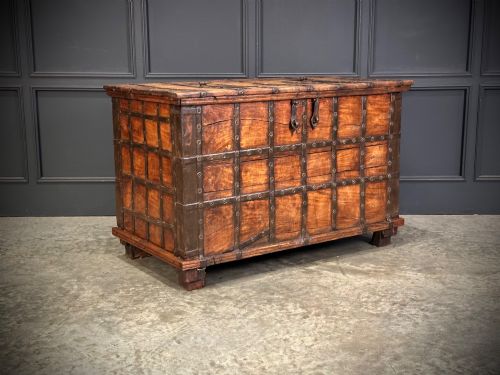
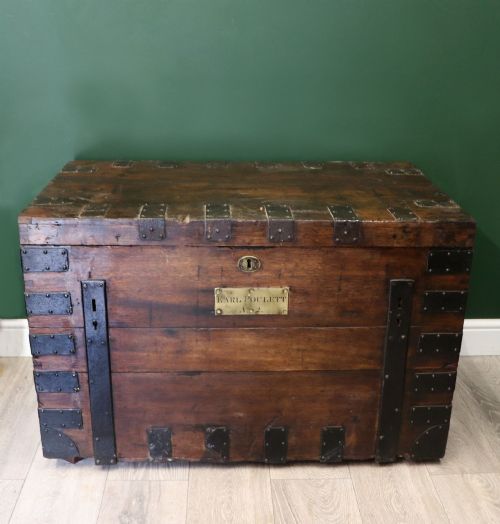
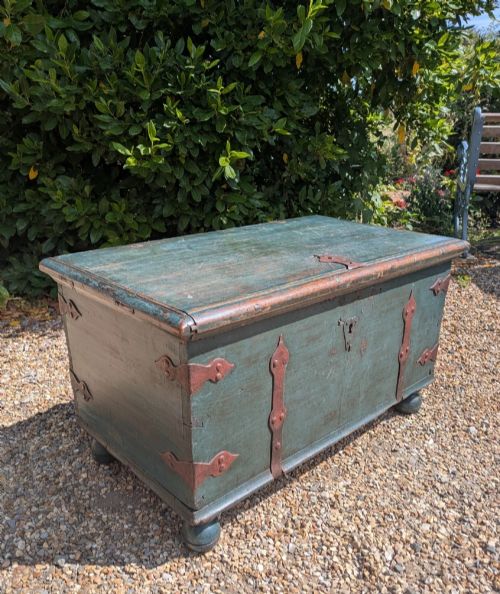
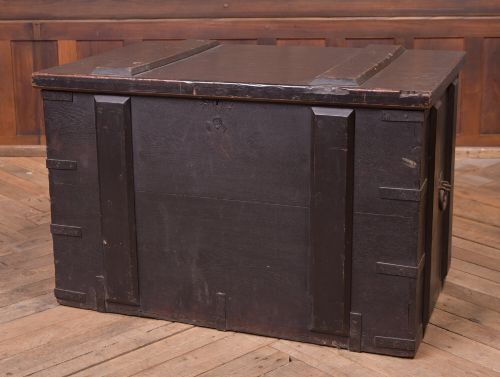
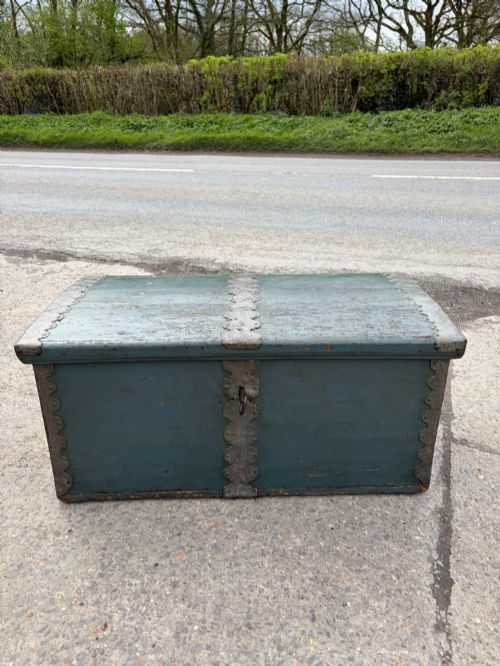
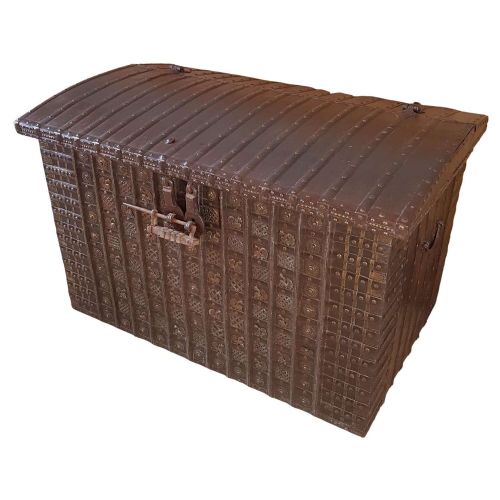
An antique iron strap secures sturdy timber chests and practical storage trunks designed to withstand the rigours of travel and time.
Antique Iron Strap
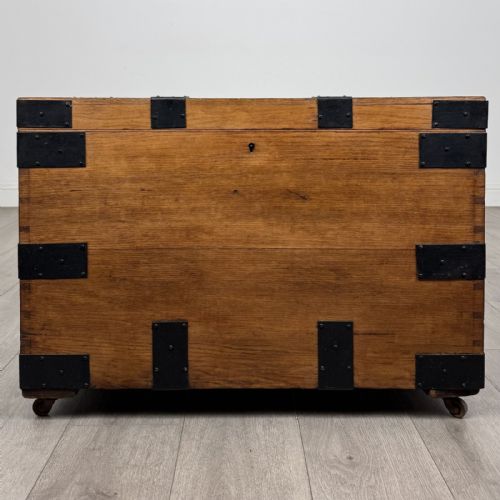
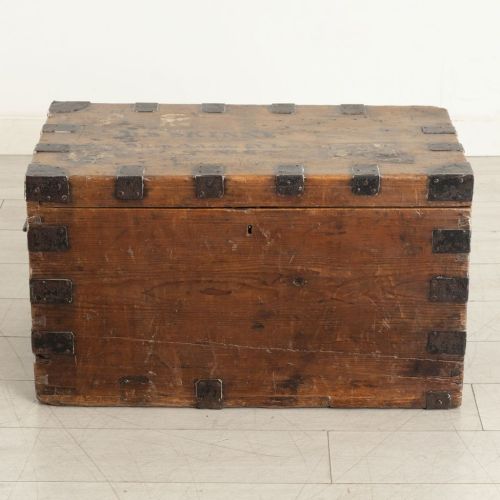
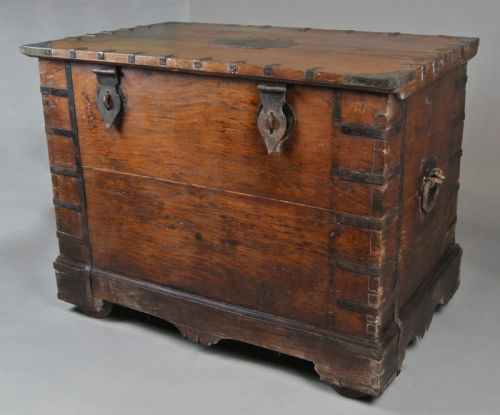
When you examine an antique iron strap, you look at structural metalwork applied to domestic storage, from Victorian pine travel trunks to substantial oak silver chests. These pieces originate across the nineteenth and eighteenth centuries, taking the form of dome top coffers, dowry chests, and campaign boxes.
The version most commonly met on this page is the heavy timber trunk strengthened with hand-forged or beaten metal bands, crossing the lids and sides to reinforce joints against heavy handling. Oak and pine predominate, accompanied by teak and exotic hardwoods on larger imported storage pieces.
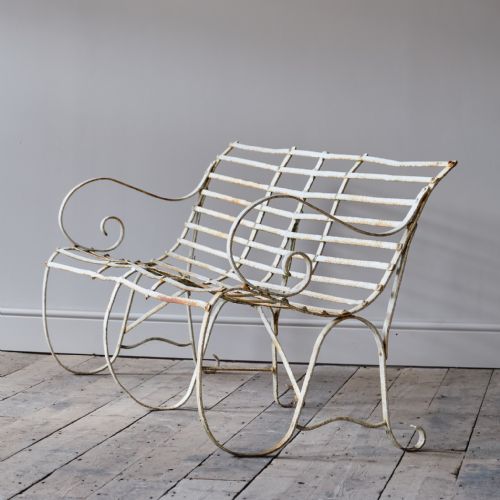
Beyond domestic trunks, the selection includes garden benches and specific utilitarian objects like campaign tent pole straps, demonstrating how metal reinforcement served both stationary storage and mobile utility.
Materials and construction
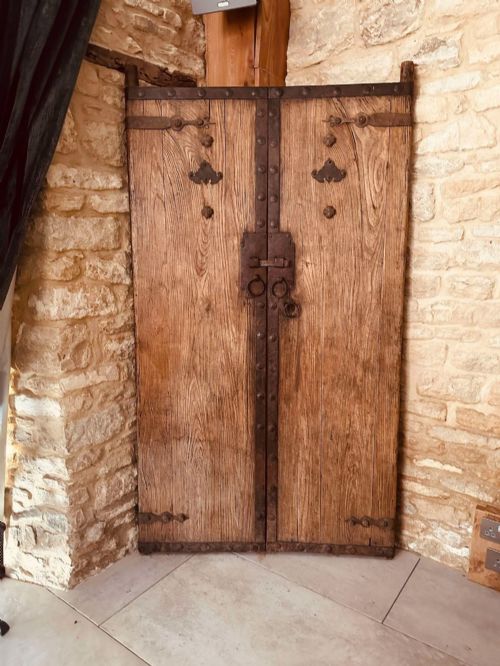
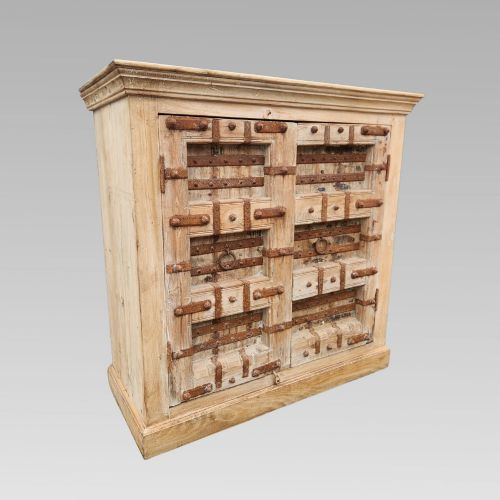
Blacksmiths hammered hot iron into flat straps, corner brackets, and hasps, securing them to wooden carcases with hand-beaten rivets or clout nails. The timber beneath provided the volume, whilst the metal added rigidity to corners and lids subjected to heavy strain during transit.
Makers utilised native woods such as oak and pine in European workshop pieces, whilst Indian and Asian examples employed dense hardwoods like teak to resist tropical climates and insect damage. Paint finishes, original patinas, and brass locking mechanisms completed the construction.
Antique Iron Strap Retail Price Guide 2026
Typical asking prices for iron strap among the pieces listed under this phrase on Sellingantiques today, from the lower quarter to the upper quarter. They describe what is for sale here now, not the wider market.
One listed nineteenth-century box retains its original cannonball storage purpose, complete with iron hasps and carrying hoops for artillery transport.
Judging the standard
Quality rests in the integrity of the original hardware and the timber carcase. A superior piece retains its original hand-forged iron strapwork, working locks with period keys, and untouched surface patination rather than later replacement metalwork.
The refinement of the blacksmithing distinguishes standard utility items from finer domestic pieces. Finely bevelled iron straps, dovetail-joined timber corners, and fitted interior compartments mark out high-grade silver chests and dowry boxes from utilitarian packing cases.
Elkington·Liberty & Co.
The Antique Iron Strap Glossary
- Strapwork
- Flat bands of iron or steel applied across the exterior of wooden chests and boxes to reinforce structural joints. This metalwork often forms geometric patterns or simple vertical and horizontal bracing.
- Silver chest
- A heavy oak storage box lined with baize or fitted with compartments specifically designed to hold silver flatware and holloware. These robust trunks usually feature substantial drop handles and secure locks.
- Dome top coffer
- A chest featuring a rounded lid covered in leather, canvas, or bare wood, reinforced with metal straps. The curved profile helped shed water during travel.
- Dowry chest
- A large ceremonial storage box created to hold household linens and possessions for a bride. These pieces frequently display regional decorative ironwork and carved woodwork.
- Campaign box
- Portable furniture and storage designed for military officers or travellers on the move. They incorporate sturdy iron straps, flush carrying handles, and reinforced corners to endure rough transit.
Antique Iron Strap: Frequently Asked Questions
What were iron strapped chests used for?
These robust trunks served primarily for transporting personal belongings, valuable silver, and household linens across long distances. The metal reinforcement protected the wooden corners and joints from the knocks of carriage and ship travel.
Over time, many of these containers transitioned into permanent domestic storage within the home, holding blankets, documents, or winter garments while doubling as furniture.
How do I care for iron strapwork on antique wood?
Keep the metal and wood in a stable environment away from damp conditions and direct heat sources. Excessive moisture causes iron straps to rust and stain the surrounding timber.
Apply a light microcrystalline wax to clean iron surfaces to prevent oxidation, and dust the timber carcase regularly with a dry cloth to preserve the natural patina.
How can I tell an older trunk from a later copy?
Examine the fastening methods used on the metal straps and the timber joints inside. Authentic older pieces typically show hand-forged ironwork fixed with irregular handmade nails or rivets, alongside hand-cut dovetails in the wood.
Uniform machine-cut screws, modern Phillips head fasteners, and artificially distressed metal usually indicate a later reproduction or heavily altered piece.
Are these trunks suitable for daily coffee table use?
Many sturdy iron-bound chests function well as low tables or bench seating in modern living spaces. Their flat wooden lids and solid construction handle everyday objects easily.
Ensure the hinges and lid supports remain stable if you intend to open the interior frequently for hidden storage.