



Antique Iron Plaque
These heavy cast iron plaques bring enduring armorial dignity and industrial character to interior spaces.
Antique Iron Plaque
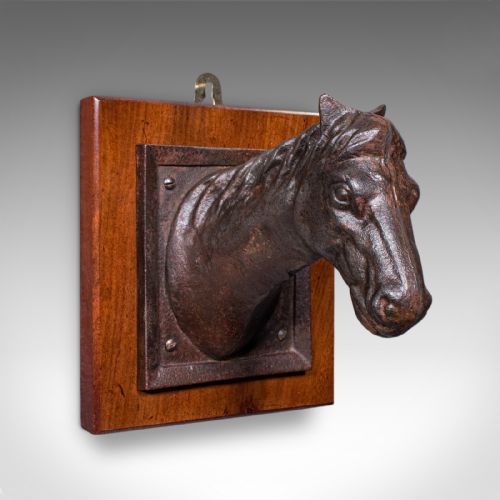
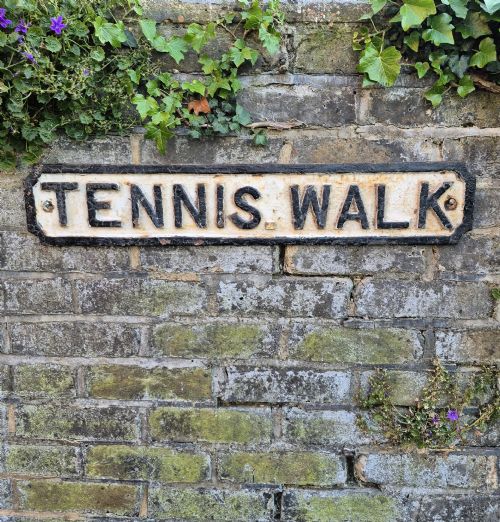
An antique iron plaque spans utilitarian street signs, heraldic crests, and decorative wall pieces originating from the Georgian period through to the 1930s. Buyers look to these substantial metal objects for their distinct historical presence and architectural weight.
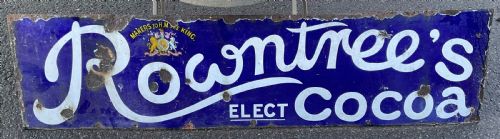
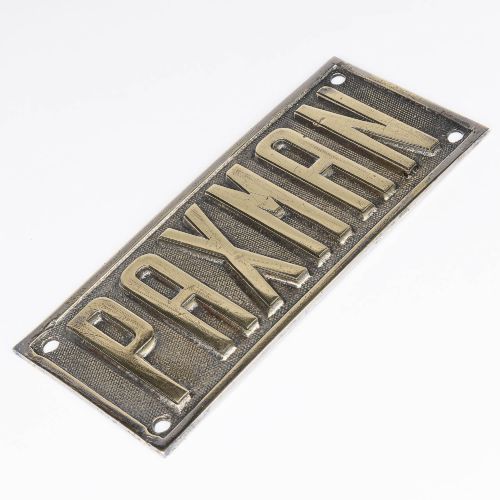
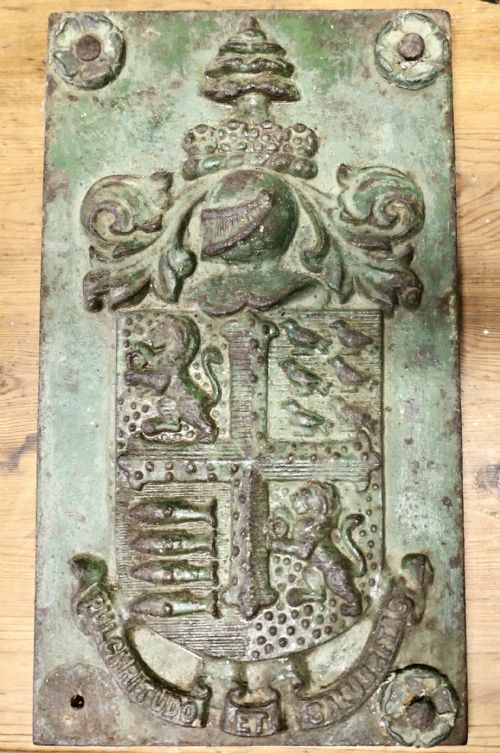
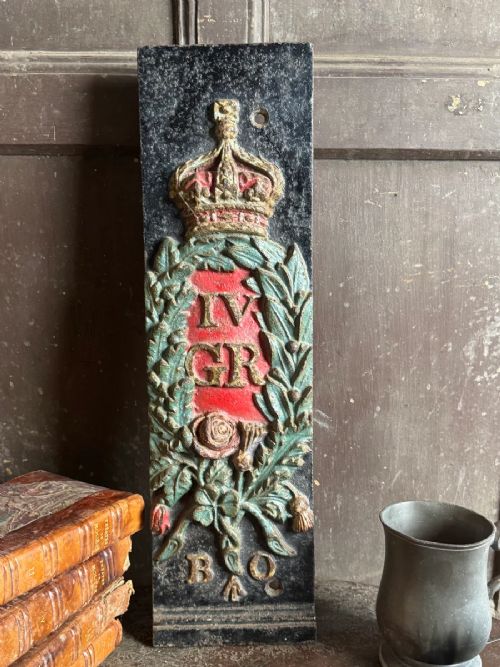
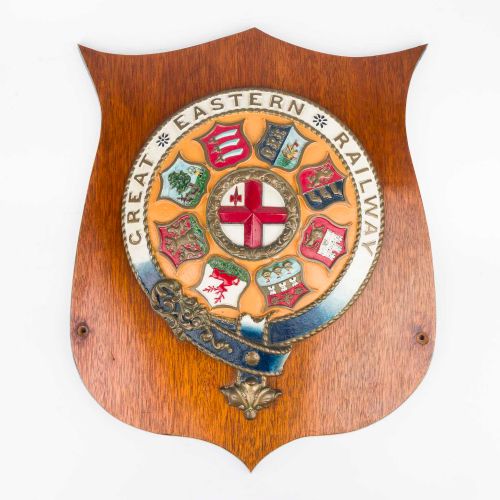
The selection on this page relies heavily on Victorian and Edwardian examples, alongside pieces from the 1920s and 1930s. Common forms include royal coats of arms, railway signs, and armorial plaques cast in iron.
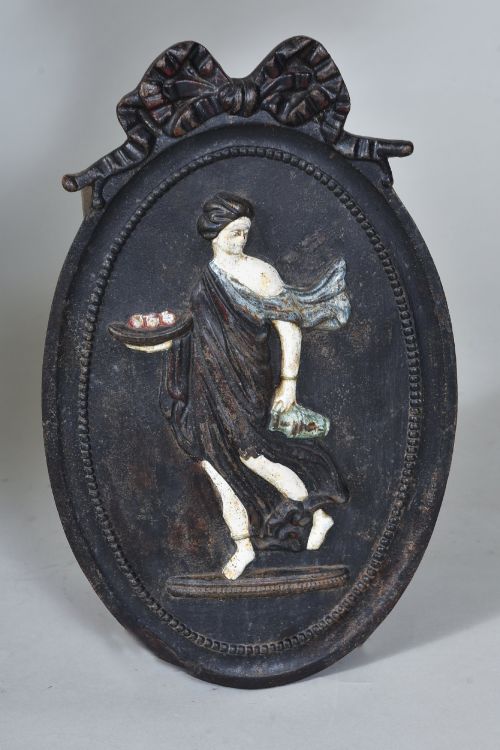
Moulded relief work defines many of these wall objects, often featuring painted finishes or patinated surfaces. They serve primarily as focal wall art in modern and traditional interiors alike.
What varies in quality
Original surface treatments, such as authentic layered paint or undisturbed patination, elevate a piece. Later overpainting or heavy corrosion that obscures the underlying cast details detracts from the historical integrity.
Antique Iron Plaque Retail Price Guide 2026
Typical asking prices for iron plaque among the pieces listed under this phrase on Sellingantiques today, from the lower quarter to the upper quarter. They describe what is for sale here now, not the wider market.
Object forms include wall plaques, street signs, armorial crests, and architectural panels.
Milners of Liverpool·Kasli Foundry·J. & H. Keyworth and Co
The Antique Iron Plaque Glossary
- Cast iron
- Iron alloy poured into a mould to form rigid objects. This durable material allows for intricate relief moulding and heavy structural integrity.
- Armorial plaque
- A decorative wall piece displaying a coat of arms or heraldic insignia. These symbols often denote official civic or royal authority.
- Patination
- The natural ageing and surface changes accumulated on metal over time. It provides a visual record of history and handling.
- Sheet iron
- Thin flat sheets of iron shaped by rolling or hammering. Frequently utilised for signs and lighter architectural elements.
Antique Iron Plaque: Frequently Asked Questions
How do I hang a heavy iron plaque safely?
Heavy cast iron pieces require direct anchoring into masonry or solid wall studs using rated fixings. Distributing the weight across proper wall brackets ensures secure mounting.
Avoid relying on standard plasterboard plugs for monumental plaques. Consult a professional installer if the wall structure remains uncertain.
Can these plaques hang outdoors?
Most antique iron plaques were intended for interior display or protected exterior positions. Exposure to constant moisture accelerates rust and damages painted surfaces.
If placed outside, unsealed cast iron requires careful monitoring for oxidation. Regular gentle cleaning helps preserve the original metal surface.
How should I clean an antique iron plaque?
Dust the surface regularly with a dry, soft cloth to prevent particulate buildup. Avoid harsh chemical cleaners that strip historical paint or patination.
Stubborn grime responds best to light wiping with a damp cloth followed by immediate drying. Wax treatments can protect bare iron surfaces from further oxidation.
What periods do these iron plaques come from?
The listings span from the Georgian era through Victorian and Edwardian periods up to the 1930s. Industrial output peaked during the nineteenth and early twentieth centuries.
Stylistic cues, lettering styles, and foundry marks help narrow down the precise decade of manufacture. Each period reflects distinct casting techniques and design preferences.