



Antique Iron Patio Seat
An antique iron patio seat brings enduring structure and outdoor character to a garden terrace, drawing on the weight and resilience of nineteenth and early twentieth century metalwork.
Antique Iron Patio Seat
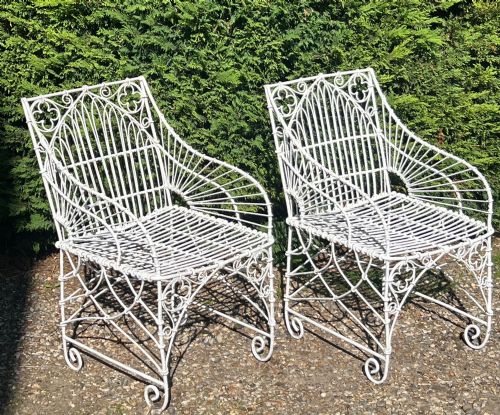
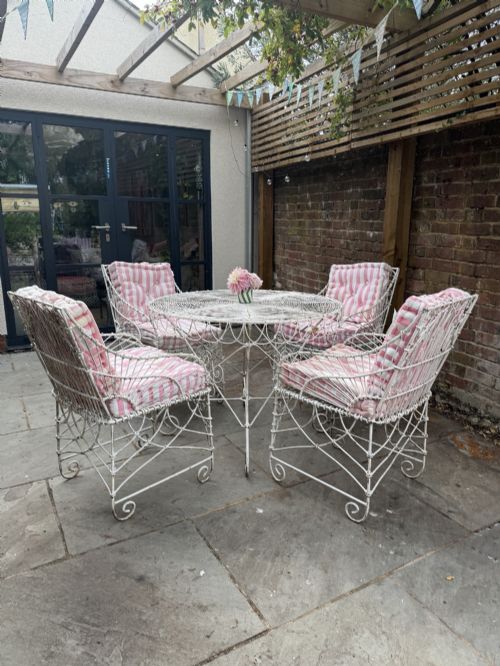
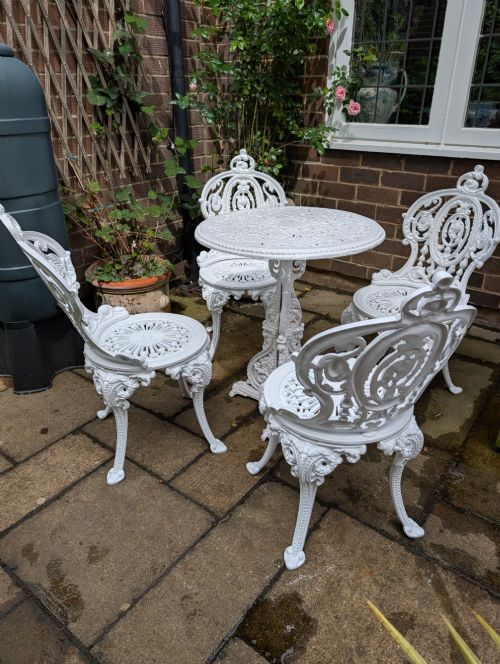
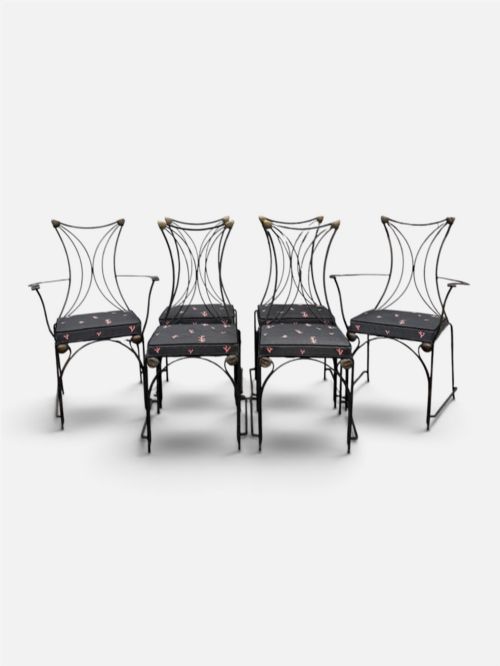
When you search for an antique iron patio seat, you encounter robust outdoor furniture designed for garden terraces, lawns, and conservatories. The selections on this page span several decades, ranging from nineteenth-century Victorian park benches to nineteen-twenties French bistro sets and nineteen-thirties armchairs.
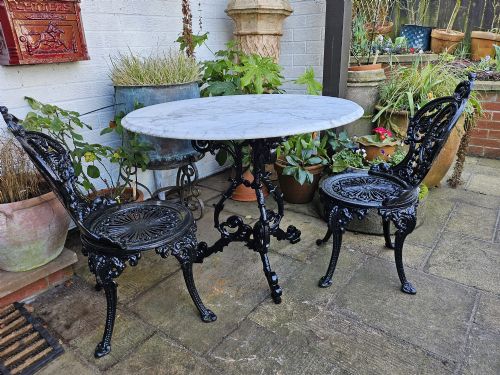
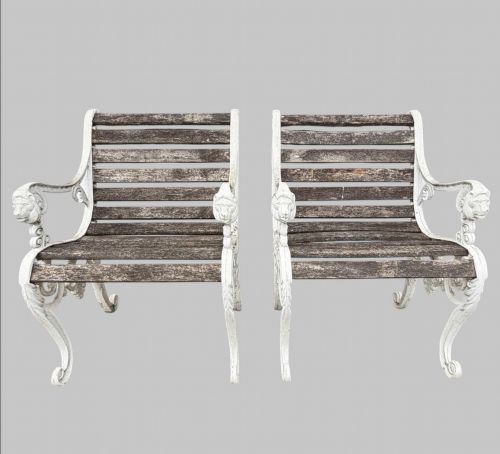
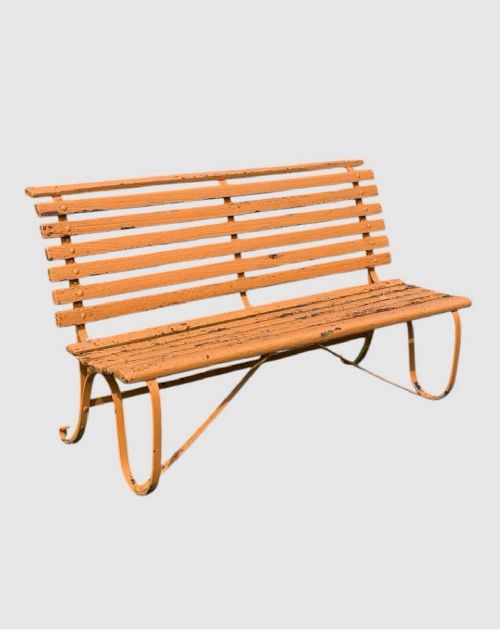
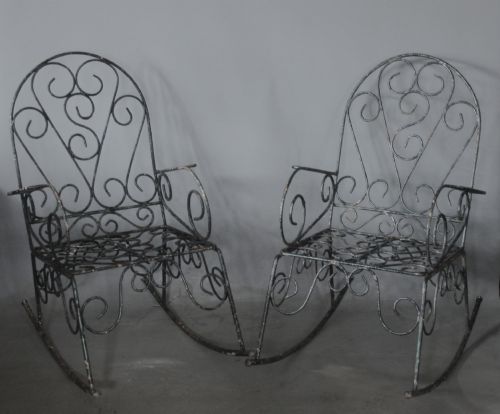
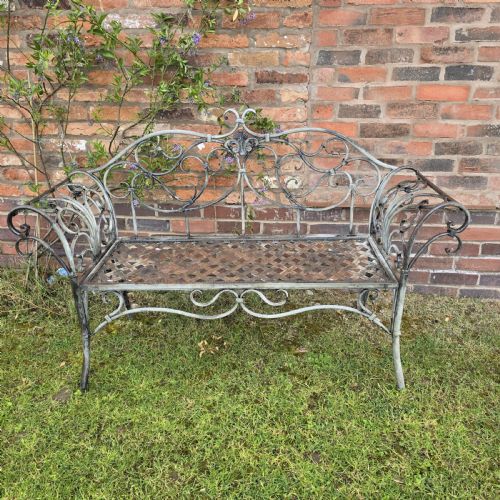
You will find various configurations among these items, including single garden benches, pairs of armchairs, folding chairs, and complete dining sets featuring matching tables. The forms extend from simple strapwork and folding designs to elaborate lion mask armchairs and Gothic revival patterns.
Origins represented in these listings stretch across British and French traditions, encompassing specific regional aesthetics like French country, Riviera, and Calcutta polo club pieces. These seats serve as both functional garden furniture and architectural focal points for outdoor spaces.
How they were made
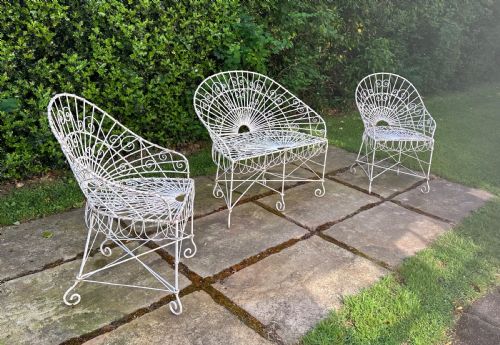
The construction of these pieces relies primarily on cast iron and wrought iron, shaped through founding, forging, and bending techniques. Cast iron components allow for intricate decorative details like lion masks and gothic tracery, while wrought iron provides the pliable strength needed for graceful armchairs and wirework frames.
Many examples incorporate secondary materials to complete their structures, combining iron frames with wooden slats, marble tabletops, and fabric upholstery. Paint finishes historically protected these metals from the elements, often accumulating layers of weathering and patination over decades of outdoor exposure.
Listings feature periods spanning from eighteen-hundred through the Victorian era into nineteen-thirty, using cast iron, wrought iron, wirework, and marble.
What varies in quality
Quality in these garden seats rests on the ambition of the design and the integrity of the metalwork. Pieces displaying sculptural cast iron details like figural masks or complex gothic strapwork demonstrate a higher level of foundry skill than plain utility seating.
The completeness of matching sets and the preservation of original structural elements separate standard garden furniture from exceptional survivals. Well-balanced proportions and crisp detailing in the ironwork indicate superior craftsmanship originating from established foundries and workshops.
Christopher Dresser·Val D Osne
The Antique Iron Patio Seat Glossary
- Cast iron
- A sturdy material poured into moulds to create rigid, highly detailed decorative garden furniture. It allows for complex ornamentation such as masks and gothic tracery.
- Wrought iron
- Iron beaten and bent into shape while hot, producing resilient and flexible frames for chairs, benches, and rocking seats. This material handles structural stress differently than cast metal.
- Wirework
- A technique using interwoven metal wires to form lightweight yet durable tabletops and seating surfaces. This style became particularly popular during the nineteenth century.
- Strapwork
- A decorative pattern of flat, intersecting metal strips forming geometric designs on chair backs and garden seats. It echoes Renaissance ornamentation adapted for Regency and later styles.
- Val D'osne
- A prominent nineteenth-century French foundry known for producing high-quality cast iron architectural and garden elements. Pieces bearing this association reflect advanced French manufacturing.
Antique Iron Patio Seat: Frequently Asked Questions
How do I date an iron garden bench?
Dating relies on stylistic clues, construction methods, and material transitions visible in the piece. Victorian examples often feature heavy cast iron frames with gothic or naturalistic motifs, whereas nineteen-thirties pieces tend toward simpler folding mechanisms and strapwork.
Evidence in the listings points to periods ranging from eighteen-hundred to nineteen-thirty, with distinct shifts between nineteenth-century ornate casting and twentieth-century tubular or folding forms.
Can these metal seats stay outside all year?
While iron and metal patio furniture is built for outdoor use, prolonged exposure to moisture and harsh winters can accelerate corrosion. Many historical pieces survive because they received seasonal shelter or protective paint layers.
Using them outdoors requires mindful placement, and storing them during severe weather helps preserve the remaining painted surfaces and structural integrity.
What is the difference between cast and wrought iron?
Cast iron is poured into moulds, resulting in rigid, heavy components with detailed surface decoration like lion masks or tracery. Wrought iron is heated and hammered into shape, yielding fibrous, resilient frames that bend rather than snap under sudden pressure.
Listings on this page include both techniques, sometimes combining cast iron decorative elements with wrought iron structural supports.
Are matching garden sets difficult to find?
Complete dining sets and matching benches with pairs of chairs appear less frequently than standalone pieces due to the attrition of outdoor use over a century or more. Surviving sets often originate from institutional or large estate contexts.
When tables and multiple chairs survive together, they provide a cohesive aesthetic for garden terraces and patio dining spaces.