



Antique Iron Mirror
An antique iron mirror brings heavy industrial character and crisp reflection into a room, offering durability alongside decorative weight.
Antique Iron Mirror
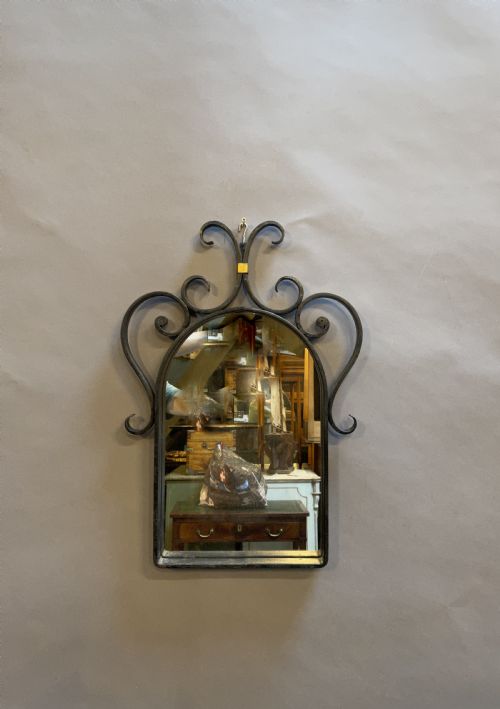
An antique iron mirror combines metal framing with reflective glass, spanning wall-hung designs, overmantels, and dressing mirrors. These pieces emerge from periods including the Victorian era, the Edwardian years, and the early twentieth century.
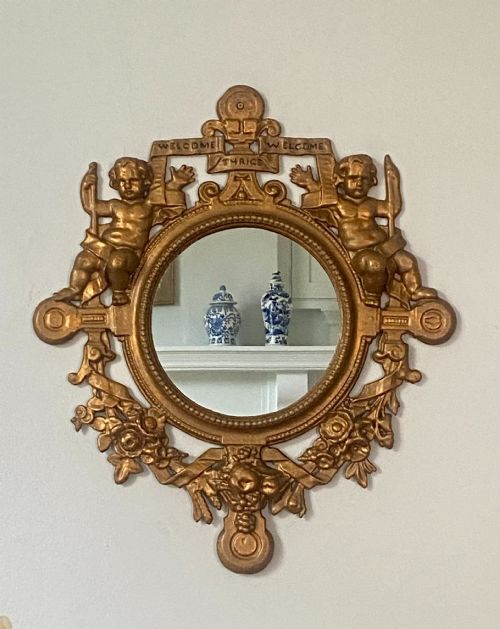
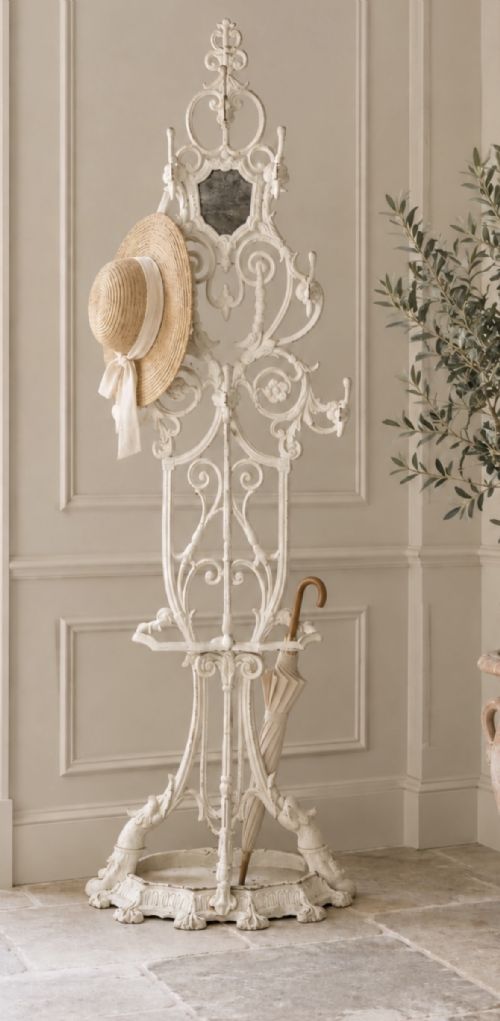
The version most commonly met on this page is the cast iron wall mirror, often incorporating decorative motifs or fitted within broader hall stands and console tables. French provincial, industrial, and Gothic revival styles shape much of the selection.
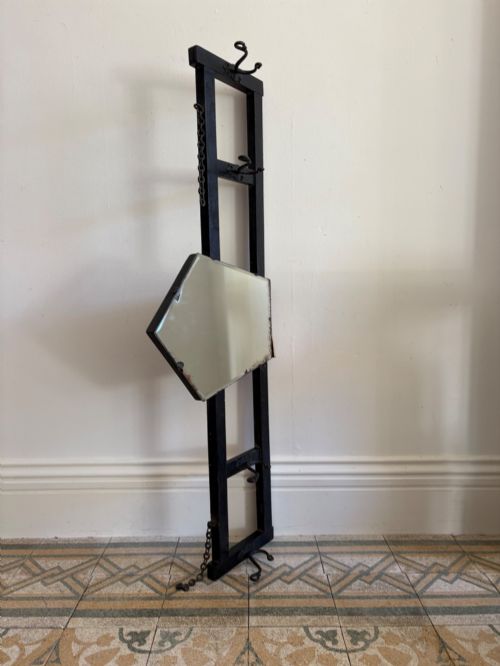
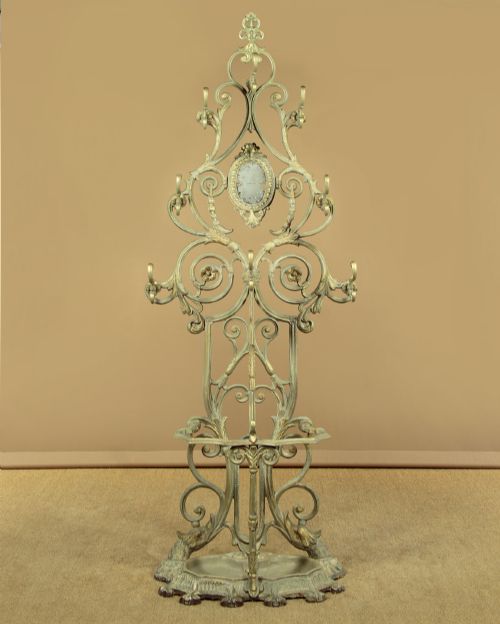
Buyers also encounter related ironwork forms such as umbrella stands and coat racks featuring integrated mirrors. These utilitarian objects demonstrate how nineteenth and early twentieth century makers blended structural metalwork with household reflection.
How they were made
Foundry work relied on cast iron poured into moulds to create intricate scrollwork, faux bamboo framing, and heavy relief borders. Wrought iron and forged iron alternatives offered hand-hammered strength for slimmer brackets and scrolls.
Makers integrated brass elements, painted surfaces, and occasional oak or marble mounts to contrast with the dark metal body. Glass was cut to fit specific rebates within the iron frames, secured safely behind decorative crests and mottoes.
Antique Iron Mirror Retail Price Guide 2026
Typical asking prices for iron mirror among the pieces listed under this phrase on Sellingantiques today, from the lower quarter to the upper quarter. They describe what is for sale here now, not the wider market.
The listings show cast iron, wrought iron, and brass combined with glass, oak, and marble across Victorian and early twentieth century periods.
What varies in quality
The clarity and depth of the casting separate simpler utilitarian frames from exhibition pieces bearing crisp relief and detailed foundry marks. Foundry attributions, such as Coalbrookdale production, elevate the significance of an individual piece.
The retention of original painted surfaces, integrated glass, and structural fixtures determines the integrity of the object. Heavier overmantels and hall stands depend upon robust joints and undamaged iron armature to support their substantial weight.
Coalbrookdale
The Antique Iron Mirror Glossary
- Cast iron
- Molten iron poured into a mould to form solid, highly detailed shapes. This technique allowed Victorian makers to produce elaborate decorative frames and hall stands.
- Wrought iron
- Iron heated and hammered into shape by hand, resulting in fibrous strength and visible forging marks. It appears frequently in French scroll designs and structural brackets.
- Overmantel mirror
- A large mirror designed to hang directly above a fireplace mantelpiece. These pieces often utilise heavy cast iron frames to anchor grand interior spaces.
- Faux bamboo
- A decorative treatment moulding metal or carving wood to resemble segmented bamboo canes. This style appears on French cast iron stands from the late nineteenth century.
- Girondelle
- A wall sconce or mirror fitted with candle arms that reflect light back into the room. Antique examples combine iron frames with brass fittings and glass plates.
Antique Iron Mirror: Frequently Asked Questions
How do I hang a heavy iron mirror?
Heavy cast iron frames require secure fixing directly into masonry or solid wall studs using rated brackets. The substantial weight demands professional installation to distribute the load evenly.
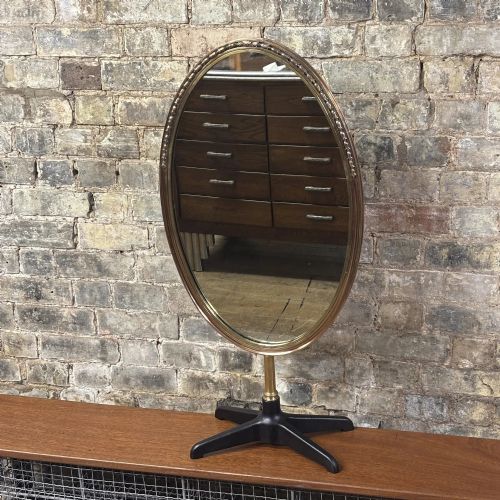
Lighter forged iron or brass dressing mirrors rely on simpler table stands or wall mounts, but still require stable placement away from high traffic areas.
Were these mirrors meant for indoor use?
Most antique iron mirrors were produced for interior spaces such as hallways, parlours, and dressing rooms. Hall stands and overmantels served both domestic and social functions in nineteenth century homes.
Some related ironwork, including garden urns and specific wall sconces, handled exterior exposure, but interior mirrors relied on protective painted finishes rather than weatherproofing.
How do I identify a Victorian iron mirror?
Victorian examples often display dense ornamentation, Gothic revival motifs, or foundry marks associated with nineteenth century production. The weight of the cast iron and the presence of original mercury or silvered glass help establish the period.
Later Edwardian and early twentieth century pieces frequently shift towards lighter Arts and Crafts styling or French art deco simplicity while retaining iron structures.
Can I clean painted iron frames?
Painted iron surfaces benefit from gentle dusting with a dry cloth to prevent moisture build-up in the crevices of the casting. Avoid harsh chemical solvents that might strip original nineteenth century paint layers.
Glass panels respond well to standard glass cleaner applied sparingly to a cloth rather than sprayed directly onto the frame, protecting the surrounding metal.