

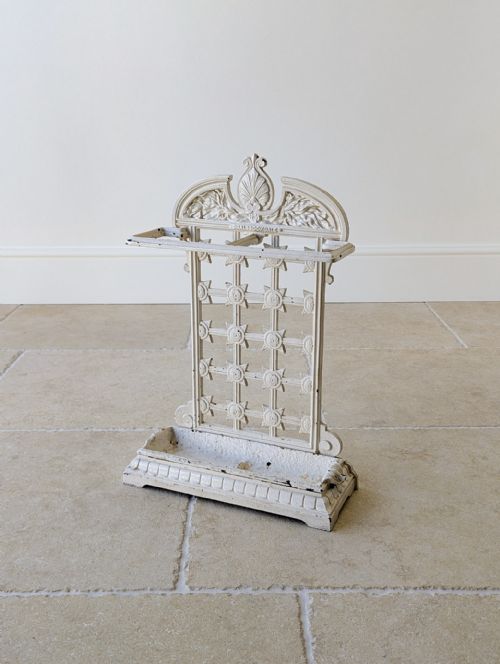
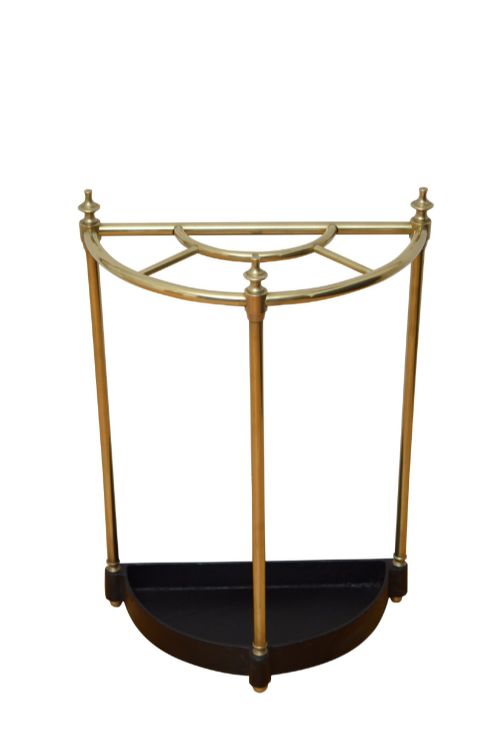
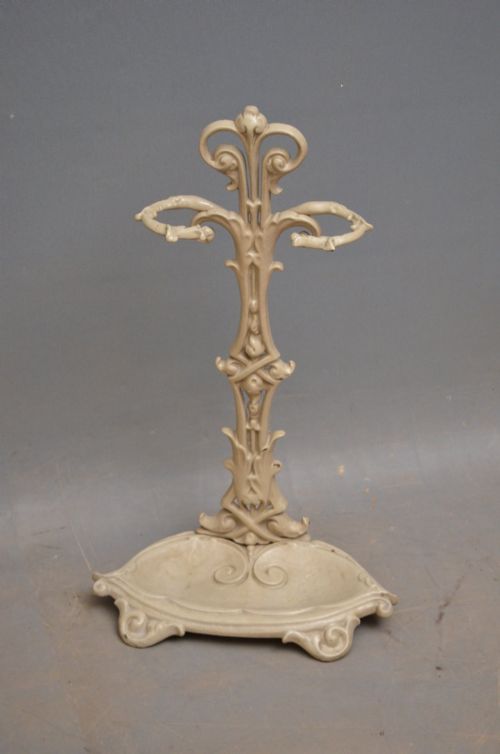
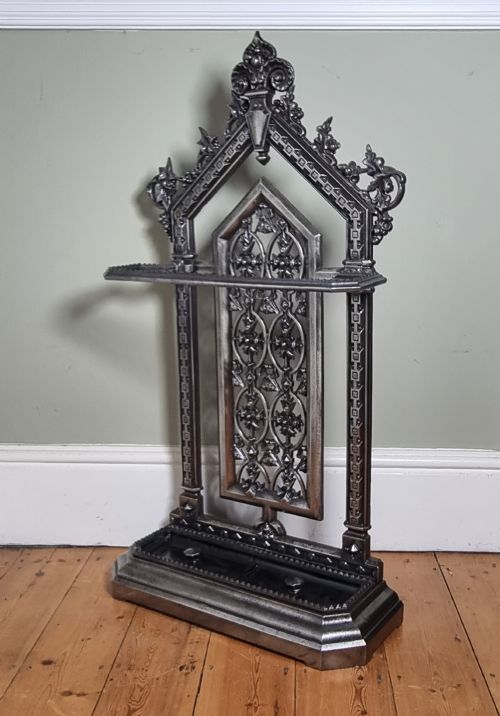
Antique Iron Hallway Stand
An antique iron hallway stand brings order to coats, sticks and umbrellas with robust metalwork forged for the entrance of a busy home.
Antique Iron Hallway Stand
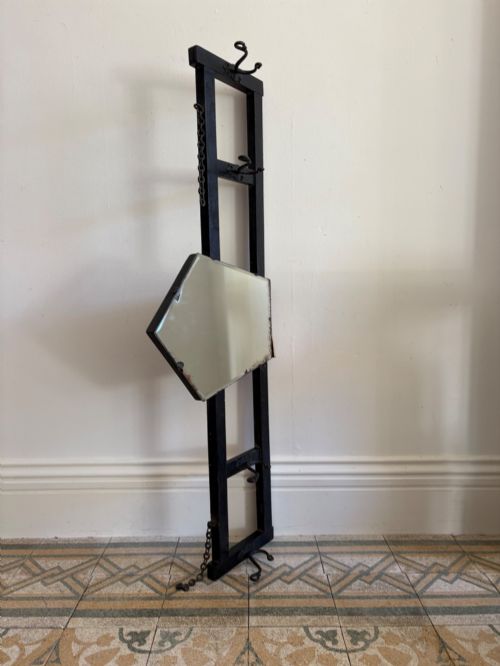
An antique iron hallway stand provides a dedicated place for wet umbrellas, heavy walking sticks and outer garments near the front door. These heavy pieces range from compact umbrella holders to large hall furniture combining coat hooks, mirrors and console surfaces.
The pieces on this page span the Victorian, Edwardian and Art Deco periods, drawing on styles such as Aesthetic Movement and Art Nouveau. Cast iron and brass dominate the construction, often paired with ceramic drip trays or oak frames.
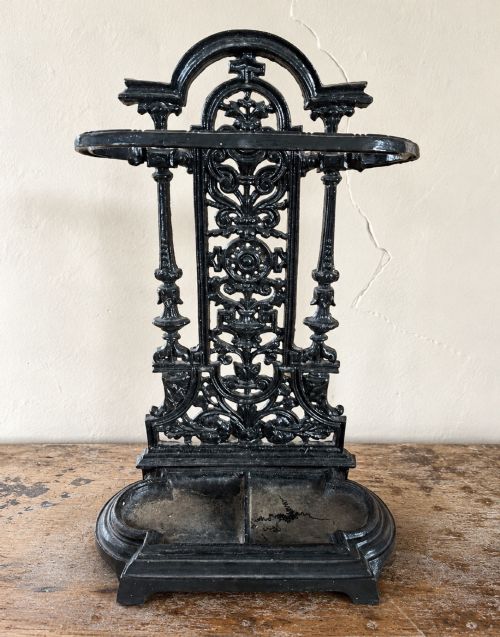
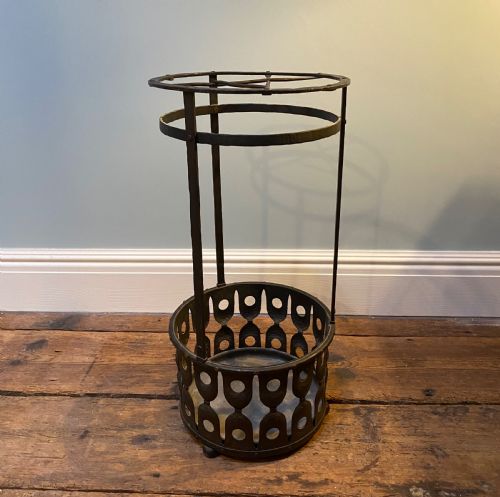
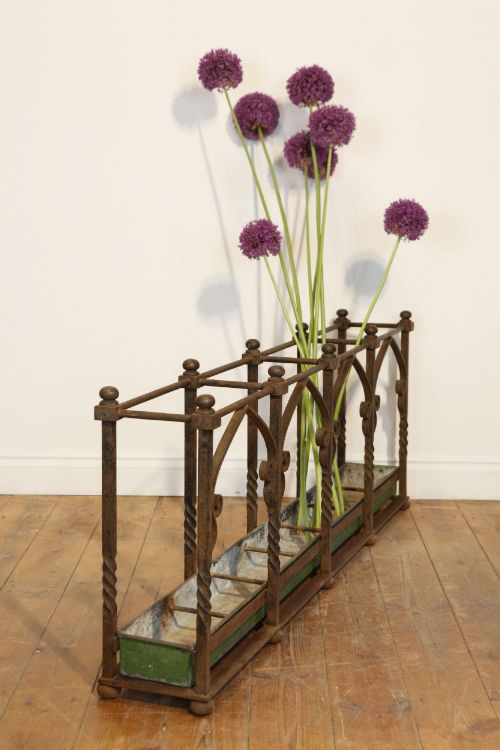
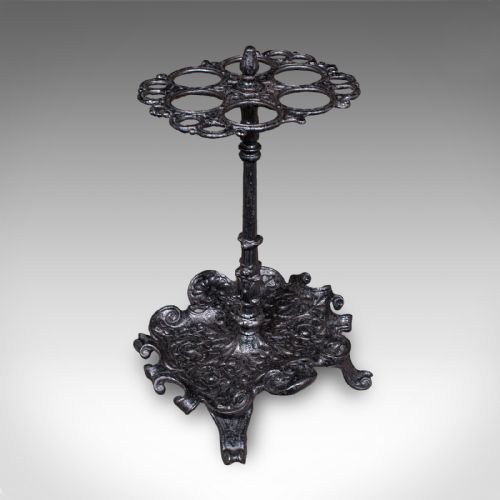
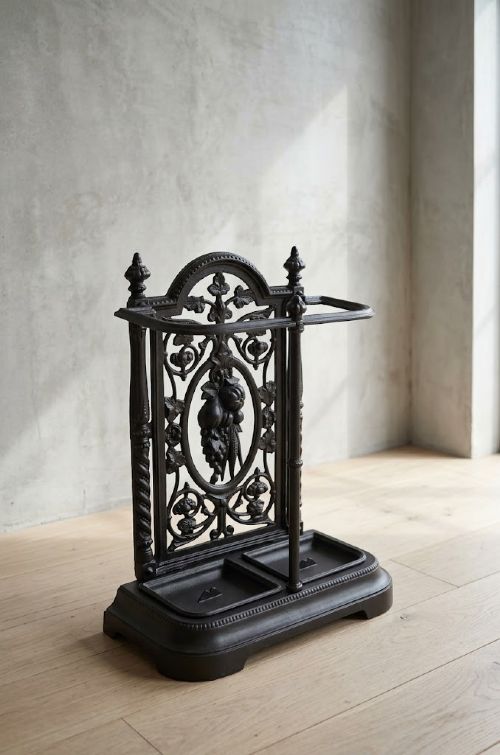
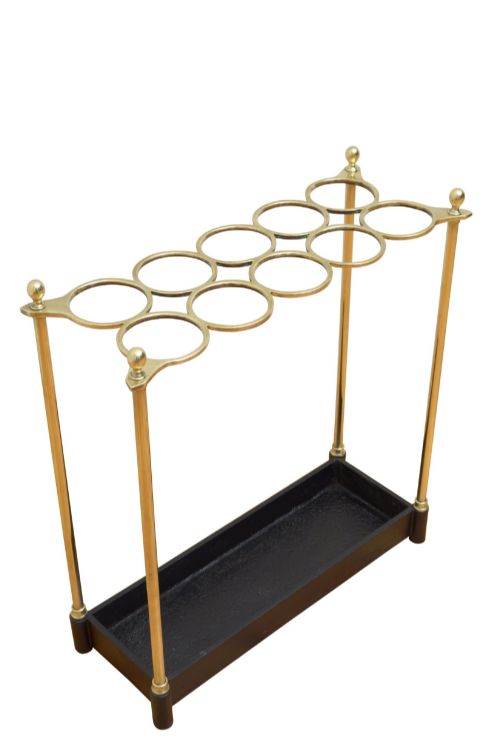
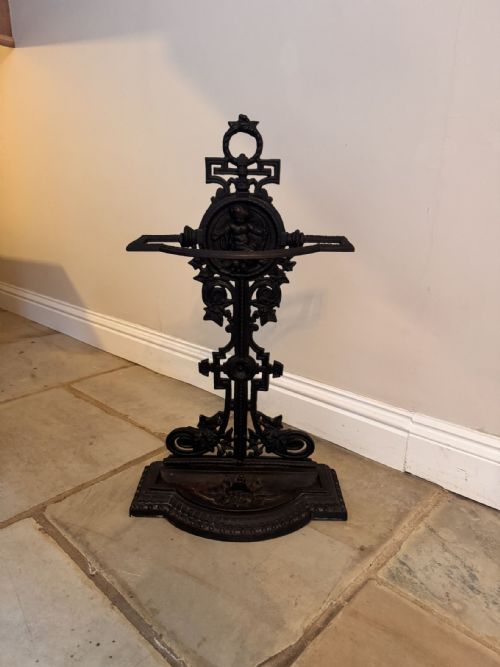
Victorian cast iron examples are the most common type encountered here, frequently featuring openwork loops or stick divisions. Foundries across Britain and France produced these utilitarian items in quantity for domestic and institutional halls.
How they were made
Foundries utilised sand casting to shape molten iron into rigid frames, intricate foliage and structural stick loops. This technique allowed makers to create complex openwork patterns and robust drip trays that withstood daily knocks from heavy wet gear.
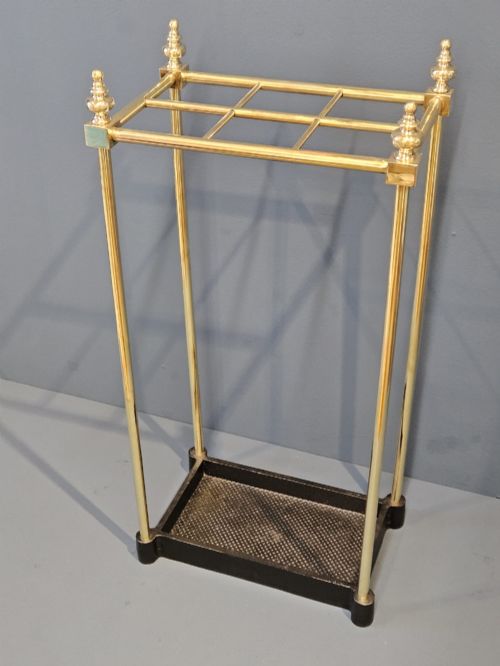
Brass elements, including finials, rods and decorative trays, were cast or spun and then polished or plated with nickel. Iron surfaces were often finished with dark paint, enamel, or faux bois treatments to mimic natural bamboo.
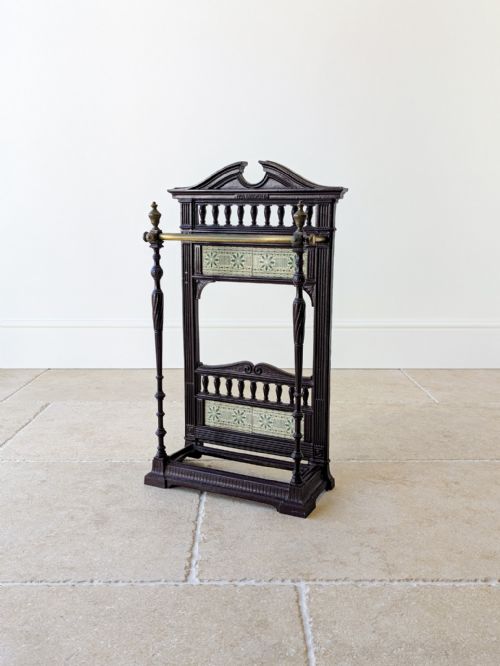
Makers integrated ceramic drip trays to catch water, securing them within the iron base to protect floors from moisture. Secondary materials like oak and pitch pine occasionally appear in combination with the metal framework.
Antique Iron Hallway Stand Retail Price Guide 2026
Typical asking prices for iron hallway stand among the pieces listed under this phrase on Sellingantiques today, from the lower quarter to the upper quarter. They describe what is for sale here now, not the wider market.
An unusually playful cast iron footballer stick stand exists among the heavy utilitarian hall furniture.
What varies in quality
The distinction between standard utility items and finer pieces lies in the crispness of the casting and the ambition of the design. Workshops known for artistic collaboration produced ironwork with sharply defined motifs and balanced proportions.
Maker marks stamped into the iron structure elevate a piece, identifying production by notable foundries like Coalbrookdale or Kenrick. Lesser examples lack foundry stamps and display softer surface detail from worn production moulds.
Coalbrookdale·Thomas Jeckyll·Falkirk Ironworks·A. Kenrick & Sons
The Antique Iron Hallway Stand Glossary
- Demi-lune
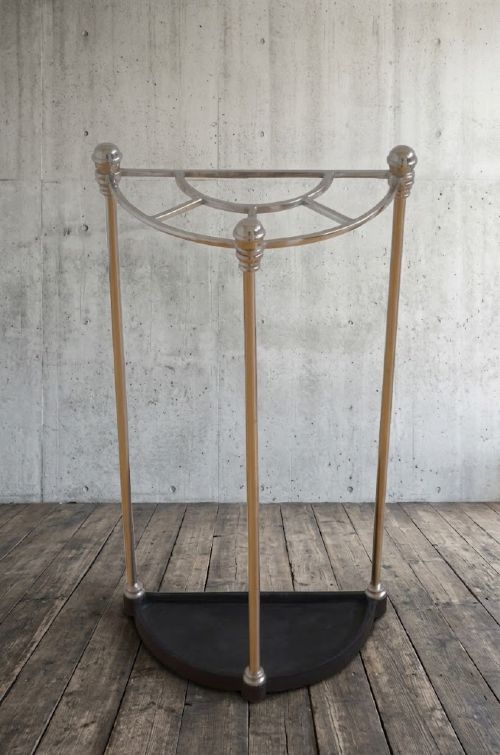
- A half-moon shape designed to sit flush against an entrance wall. This profile allowed large umbrella stands to occupy minimal floor space in narrow hallways.
- Drip tray
- A removable metal or ceramic tray positioned at the base of a stand. It collected rainwater from wet umbrellas to prevent damage to wooden hallway floors.
- Stick loop
- An individual metal ring or compartment that kept walking sticks and umbrellas upright. These loops formed the primary grid structure of cast iron stands.
- Faux bois
- A decorative finish that painted iron to resemble natural wood grain. French makers applied this technique to mimic bamboo on Art Nouveau umbrella stands.
- Finial
- A decorative terminal ornament placed on top of vertical posts or corners. These brass or iron accents finished the uppermost points of the frame.
Antique Iron Hallway Stand: Frequently Asked Questions
What is an antique iron hallway stand?
An antique iron hallway stand is a sturdy piece of furniture designed to hold umbrellas, walking sticks and coats in an entrance hall. These items utilise durable cast iron and brass frames built to handle daily domestic use.
Most examples date from the Victorian and Edwardian periods, offering functional storage combined with decorative metal casting.
How do I care for a cast iron stand?
Keep the metal dry and clean it gently with a soft cloth to remove dust from intricate cast details. Avoid harsh chemical cleaners that might strip original painted or enameled surfaces.
Ensure ceramic or metal drip trays are emptied and dried regularly to prevent moisture accumulation around the base of the frame.
How do I identify the period?
Examine the decorative style and manufacturing techniques used on the frame. Victorian pieces often display Gothic Revival or heavy floral motifs, while later Edwardian and Art Deco examples feature cleaner lines or nickel plating.
Look for maker marks, registration numbers or foundry stamps cast into the iron or stamped on the base, which help date the piece.
Where were these stands used?
These stands stood in the entrance halls and boot rooms of Victorian and Edwardian townhouses and country estates. They provided visitors and residents with an accessible place to leave wet outdoor gear upon entering the home.
Commercial premises, hotels and institutions also utilised heavy iron stands to manage high volumes of umbrellas and walking sticks.