





Antique Iron Hall Furniture
Antique iron hall furniture brings structural metalwork into the entranceway, offering durable stands and seats that manage daily arrivals.
Antique Iron Hall Furniture
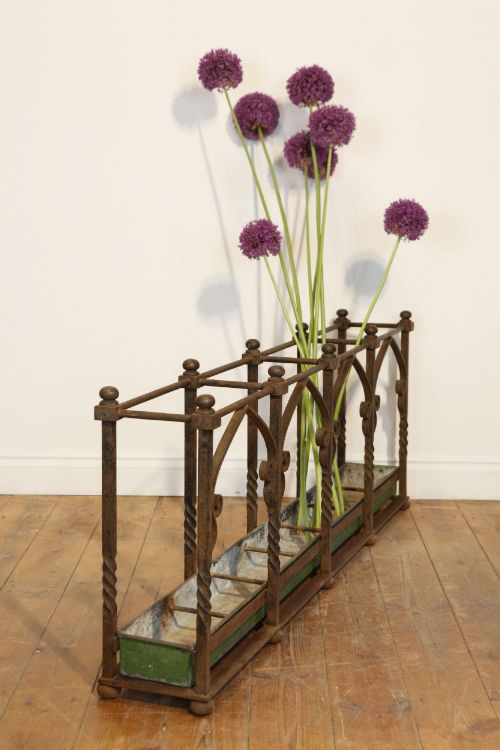
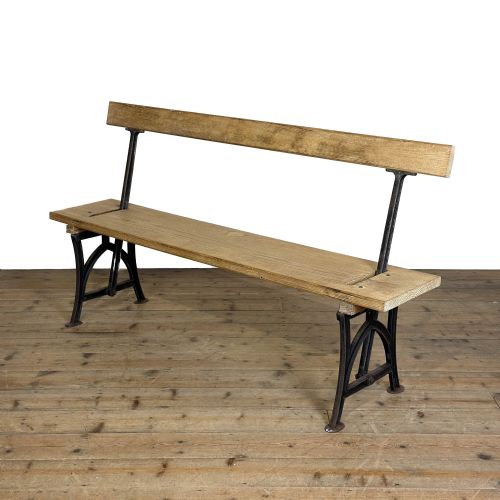
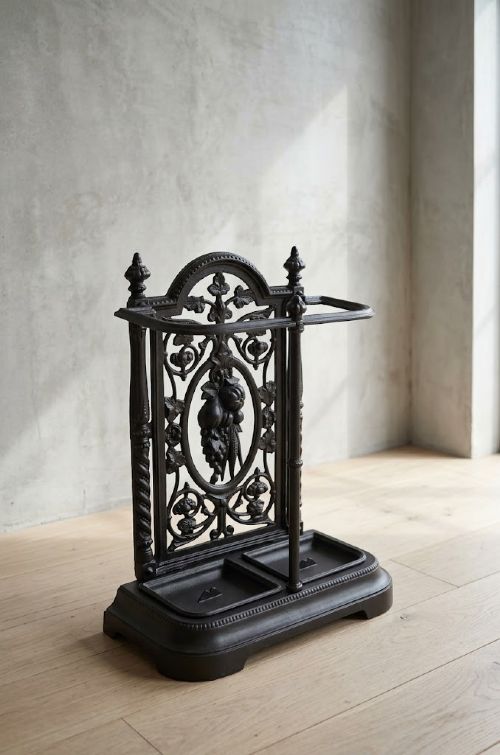
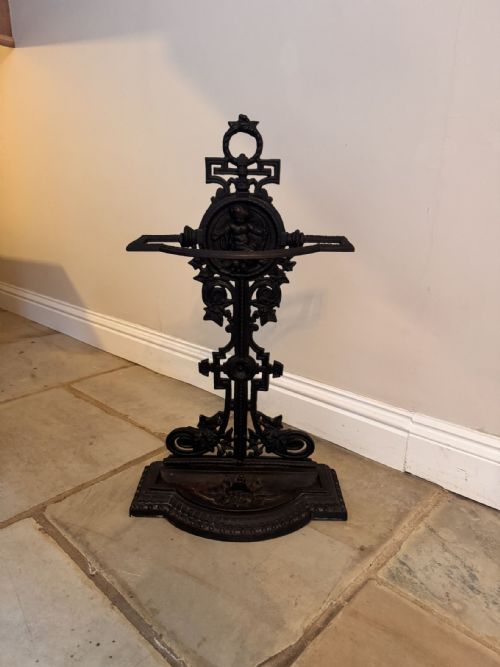
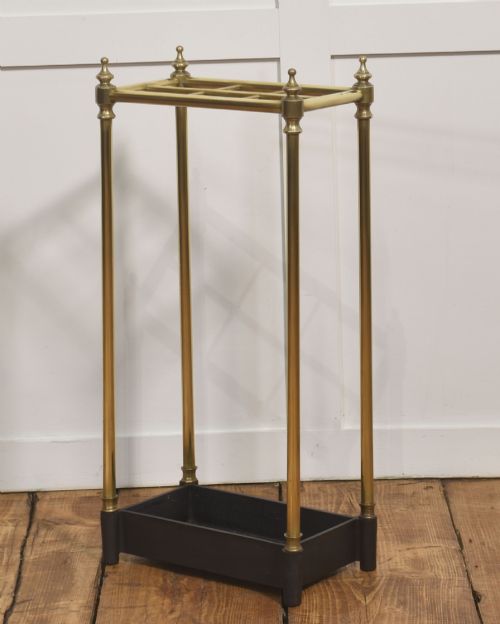
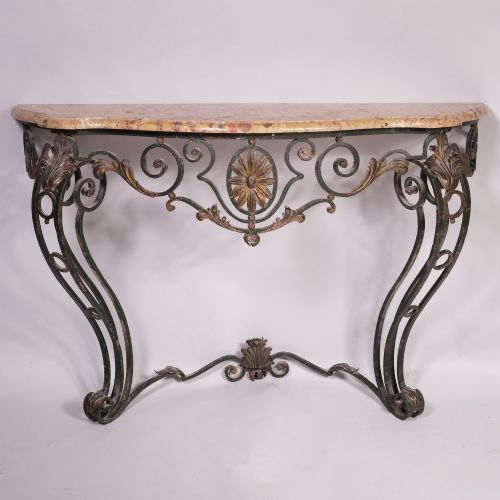
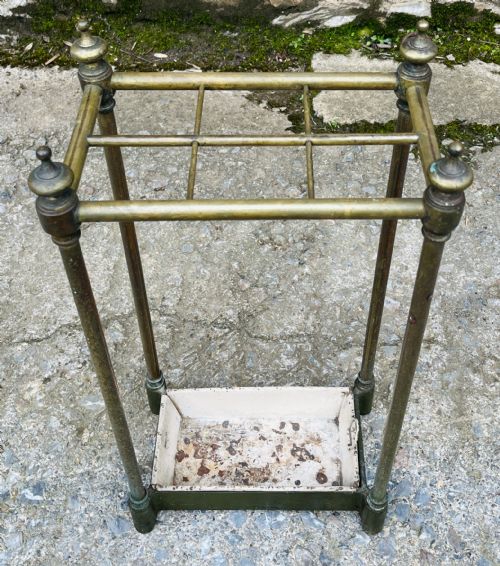
When you search for antique iron hall furniture, you encounter a specialised range of entranceway pieces constructed primarily from cast and wrought iron. These items span umbrella stands, stick stands, hall stands, benches, and consoles dating from the seventeenth century through to the early twentieth century.
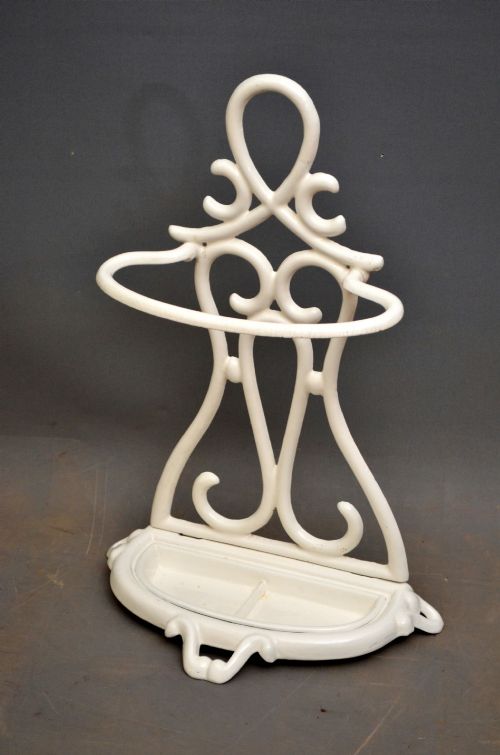
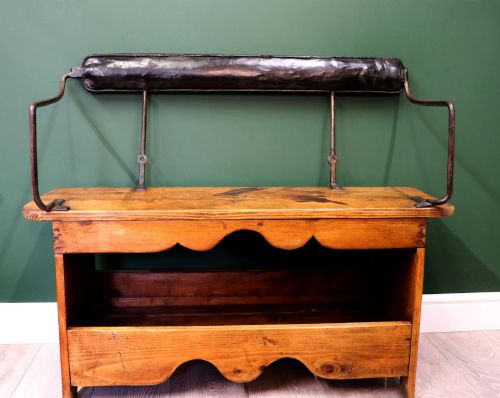
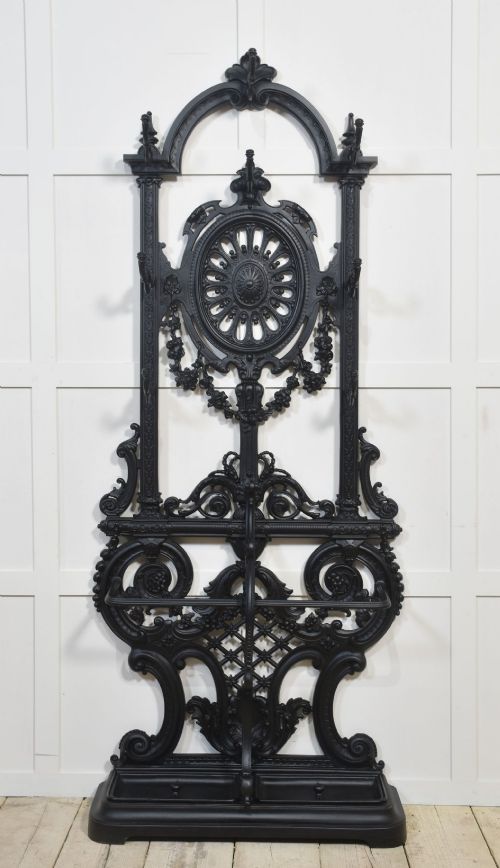
The Victorian period dominates the pieces seen here, particularly through heavy cast iron umbrella stands and multi-purpose hall stands. Alongside these metal forms, the selection incorporates occasional wooden benches, tables, and mirrors that complement the ironwork.
Makers and foundries such as Coalbrookdale and Falkirk produced ornate designs that define much of the Victorian material. Meanwhile, French, Spanish, and English influences shape the broader spectrum of consoles and seating found in this category.
How they were made
Foundries utilised cast iron and wrought iron for the structural framework of stands and consoles, often combining the metal with brass elements or marble tops. Molten iron poured into sand moulds produced intricate Gothic Revival, Rococo, or Art Nouveau patterns with high relief.
Wood elements like pine, oak, walnut, and fruitwood appeared in benches and console bases, joined to the metal components with traditional fixings. White enamel finishes and patinated metal surfaces completed the construction of these utilitarian entrance furnishings.
Antique Iron Hall Furniture Retail Price Guide 2026
Typical asking prices for iron hall furniture among the pieces listed under this phrase on Sellingantiques today, from the lower quarter to the upper quarter. They describe what is for sale here now, not the wider market.
Listings feature 19th-century cast iron umbrella stands alongside 17th-century Spanish walnut tables and Edwardian flip-over benches.
What varies in quality
The refinement of the casting separates standard production pieces from exceptional foundry work, visible in the crispness of relief details and botanical or architectural motifs. Foundry attribution, such as documented Coalbrookdale or Falkirk output, elevates the standing of an iron hall stand.
The integrity of secondary materials like marble tops, brass fittings, and original drip pans dictates the overall standard of survival. Pieces retaining honest surfaces and uncompromised structural connections demonstrate superior craftsmanship.
Coalbrookdale·Falkirk Foundry·Shoolbred
The Antique Iron Hall Furniture Glossary
- Cast iron
- Iron melted and poured into a mould to create rigid forms with detailed relief decoration. This technique allowed Victorian foundries to mass-produce ornate hall stands and umbrella stands with complex openwork patterns.
- Wrought iron
- Iron heated and hammered by hand into shape, yielding fibrous metal structures with greater tensile strength than cast iron. It appears frequently in scrolls and structural framing for console tables and umbrella stands.
- Hall stand
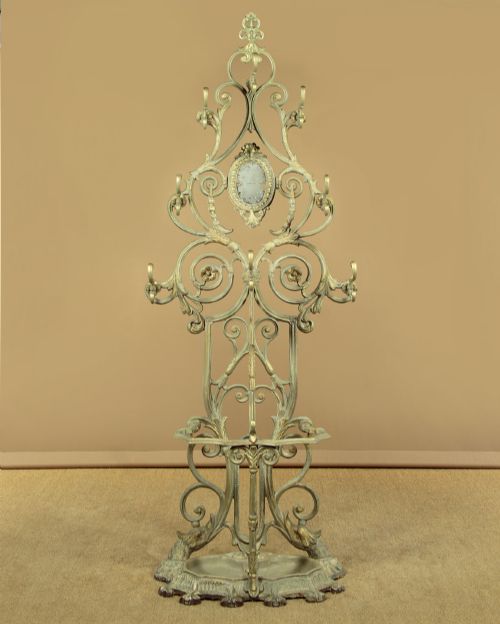
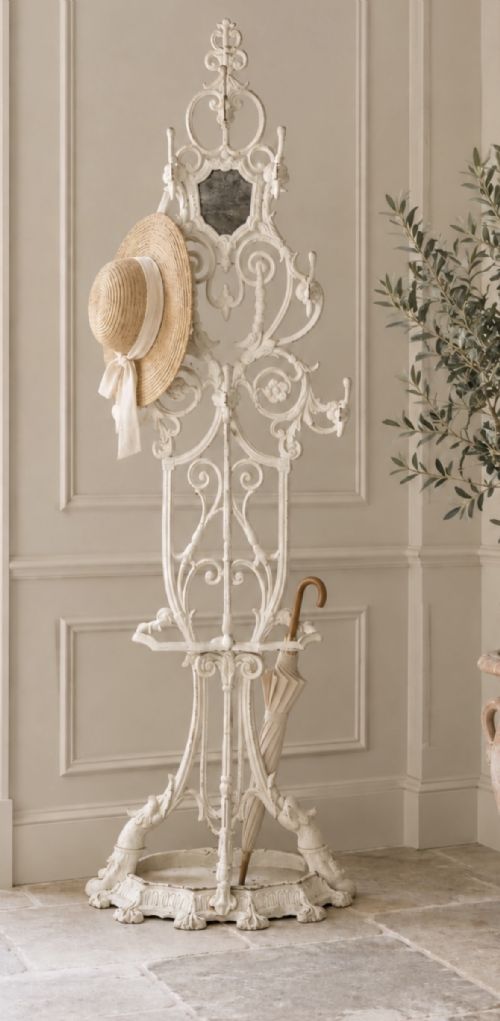
- A multi-functional entrance piece combining hooks for coats, a mirror, and a base tray or rack for umbrellas and walking sticks. Victorian examples frequently integrated cast iron panels to support the heavy weight of garments.
- Drip pan
- A removable metal tray positioned at the base of umbrella and stick stands to catch moisture from wet items. These pans protect the floor and prevent rust accumulation within the iron framework.
- Patina
- The surface appearance acquired by materials through age, use, and cleaning over decades. Original surfaces on iron and wood indicate historical authenticity.
Antique Iron Hall Furniture: Frequently Asked Questions
What is an antique iron hall stand?
An antique iron hall stand is a tall entranceway furnishing designed to hold coats, hats, walking sticks, and umbrellas while frequently incorporating a mirror. These pieces combine heavy metal framework with functional compartments for daily hallway organisation.
Victorian makers utilised cast iron to create sturdy, highly decorated frames that anchored the piece firmly against the wall. They served as the central storage hub for visitors and family members entering the home.
How do I care for cast iron furniture?
Cast iron requires minimal maintenance, relying on gentle dusting and occasional light waxing to protect the finished surface from moisture. Keeping drip pans clean prevents standing water from causing rust at the base of umbrella stands.
Avoid harsh chemical cleaners that strip the original surface or painted finishes. Ensuring the environment remains stable protects any integrated wooden elements or marble tops from warping.
How do I date an iron hall stand?
Dating relies on stylistic clues, construction methods, and foundry registry marks stamped into the iron. Victorian pieces often display Gothic Revival or Rococo influence through elaborate foliate casting.
Later items from the turn of the century transition toward Art Nouveau or simpler industrial forms. Comparing the decorative vocabulary with known foundry catalogues helps narrow the decade of production.
Where were these pieces used?
These furnishings were placed in the entrance halls, vestibules, and boot rooms of period country houses and town residences. They provided an immediate drop-off point for outdoor garments and wet walking gear upon entering.
Their robust construction was chosen specifically to withstand heavy daily use by residents and visitors. The combination of seating, mirrors, and storage made the hallway efficient and welcoming.