



Antique Iron Door Stop
An antique iron door stop holds your heavy doors open with distinct Victorian character and solid weight.
Antique Iron Door Stop
When you search for an antique iron door stop, you encounter heavy functional pieces designed to keep interior doors open in grand houses and modest rooms alike. The selection spans the nineteenth century, including Regency, Victorian, and Edwardian periods, with styles ranging from classical revivals to folk art.
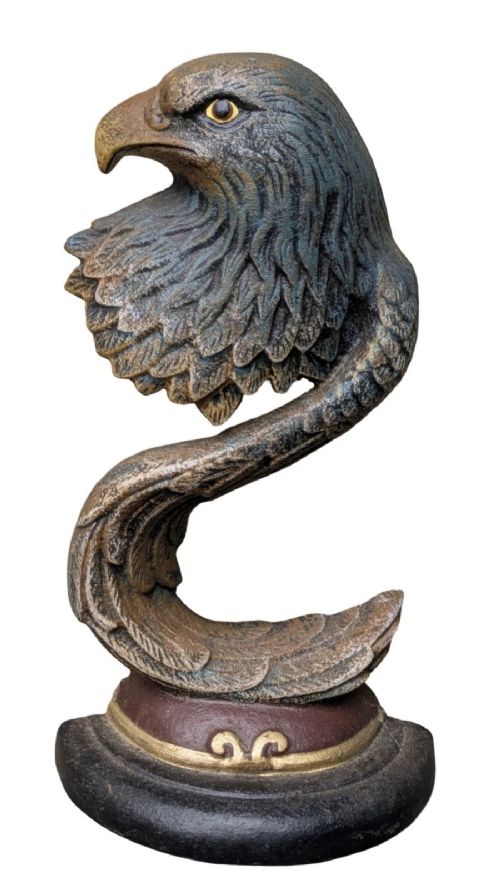
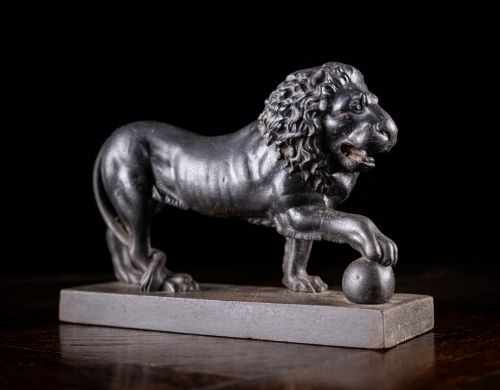
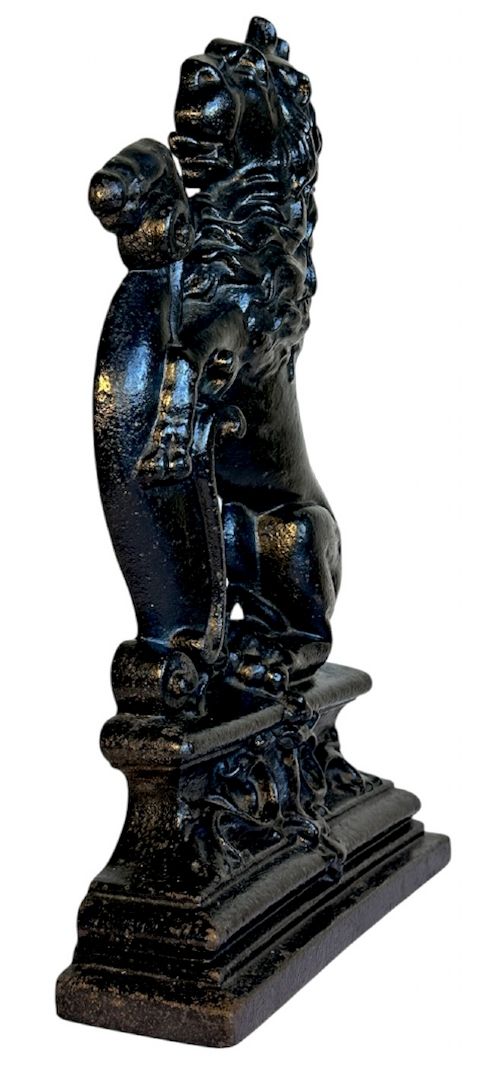
You will most frequently meet figurative castings on this page, taking the form of lions, dogs, and popular characters such as Mr Punch. These pieces combine utilitarian strength with decorative presence, often referred to historically as door porters or door keepers.
How They Were Made
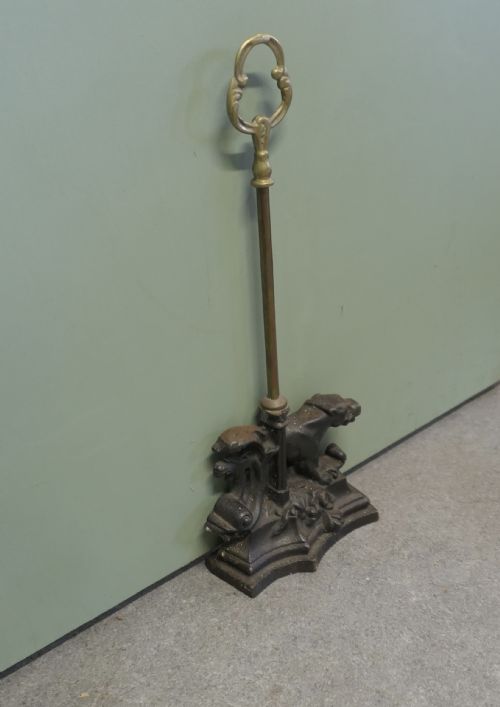
While cast iron forms the core material across the listings, occasional variations include brass components or wooden elements depending on the specific design and period. The manufacturing process prioritised durability and heft above all else, ensuring the pieces remained functional for generations.
Antique Iron Door Stop Retail Price Guide 2026
Typical asking prices for iron door stop among the pieces listed under this phrase on Sellingantiques today, from the lower quarter to the upper quarter. They describe what is for sale here now, not the wider market.
Listings feature cast iron pieces spanning the Georgian, Regency, Victorian, and Edwardian periods.
What Varies in Quality
Original painted surfaces and untouched patination elevate certain examples above those with later repainting. The overall weight and substantial feel of the iron work also reflect the care taken during the original foundry production.
The Antique Iron Door Stop Glossary
- Door porter
- An alternative historical term for a heavy door stop, often featuring an integrated handle at the top for easy lifting. These were designed to be portable rather than fixed in place.
- Cast iron
- A strong, heavy alloy of iron and carbon poured into moulds while molten. It provides the essential mass needed to hold heavy interior doors firmly in place.
- Egyptian Revival
- A nineteenth-century design style drawing inspiration from ancient Egyptian motifs and architecture. Pieces in this style often incorporate sphinxes and classical iconography.
- Recumbent
- Lying down or resting in a horizontal position. In door stops, this posture is frequently seen in depictions of lions and domestic animals.
- Boot scraper
- A heavy iron device placed near entrances to clean mud from footwear. They share materials and foundry origins with standard door stops.
Antique Iron Door Stop: Frequently Asked Questions
What is an antique iron door stop?
An antique iron door stop is a heavy cast metal object utilised to keep interior doors from swinging shut. They combine functional weight with decorative forms shaped like animals, figures, or historical characters.
Most examples date from the nineteenth century and reflect the aesthetic tastes of the Victorian, Edwardian, and Regency periods.
How were door stops used historically?
These pieces were placed on the floor directly in the path of heavy doors to hold them open in draughty hallways and large rooms. Their substantial mass prevented movement without requiring permanent attachment to the floor.
They also served as decorative ornaments within the domestic interior, adding character to domestic spaces.
How do I identify a Victorian door stop?
Victorian examples typically feature cast iron construction with figurative designs such as lions, dogs, or popular cultural figures like Mr Punch. The style often leans towards naturalistic depiction or robust folk art interpretation.
Period pieces frequently display age-related wear to the painted surfaces and possess a heavy, solid construction characteristic of nineteenth-century foundries.
Can I use these for heavy doors today?
These pieces were originally cast to hold heavy doors open in period properties and remain entirely suitable for that purpose today. Their solid iron weight provides the necessary resistance against modern doors.
Care should be taken when placing heavy iron objects on delicate flooring materials to avoid scratching or marking.