



Antique Intaglio Art
Antique intaglio art brings classical sculpture and portraiture into domestic spaces through miniature carved stones, plaster casts, and framed groupings.
Antique Intaglio Art
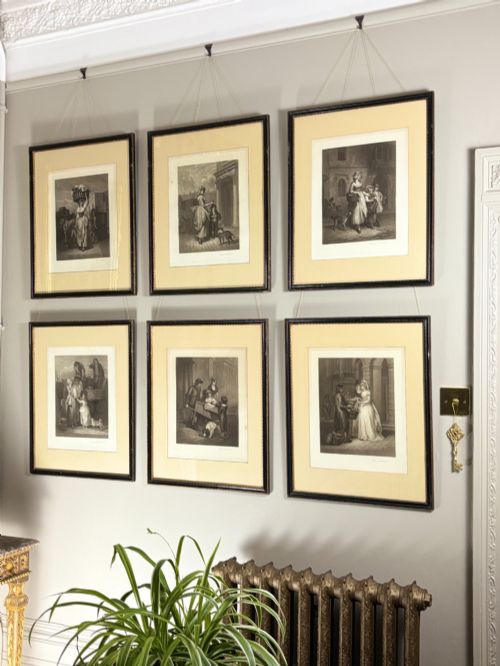
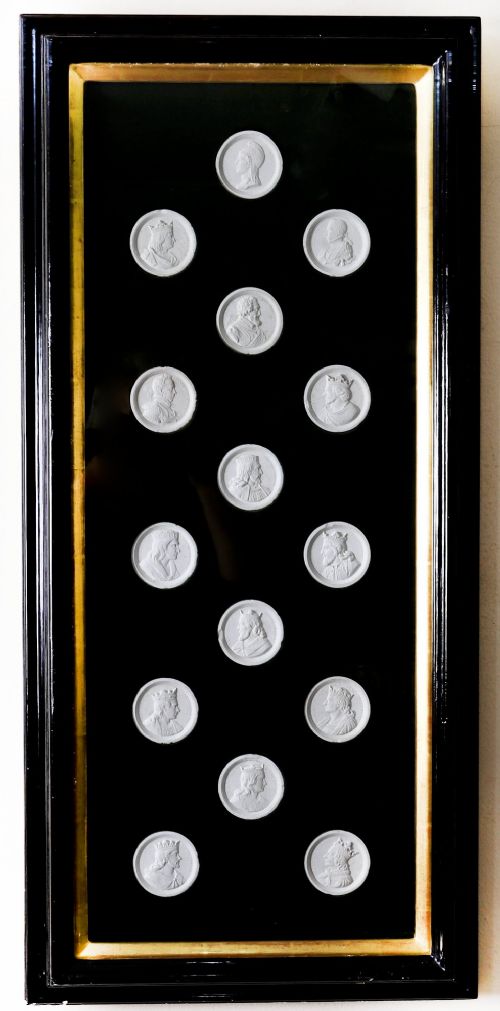
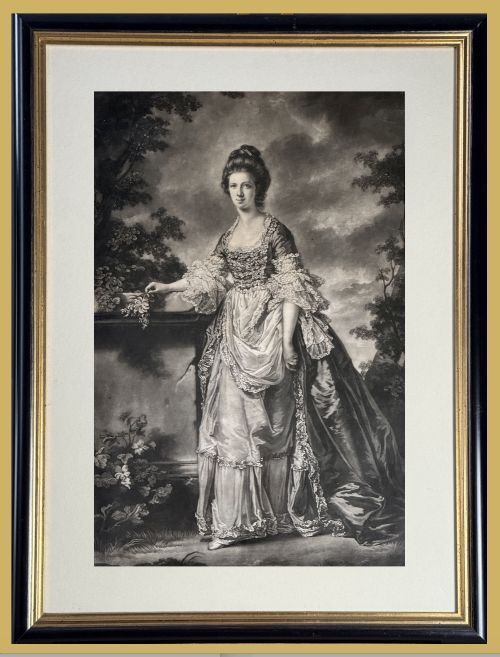
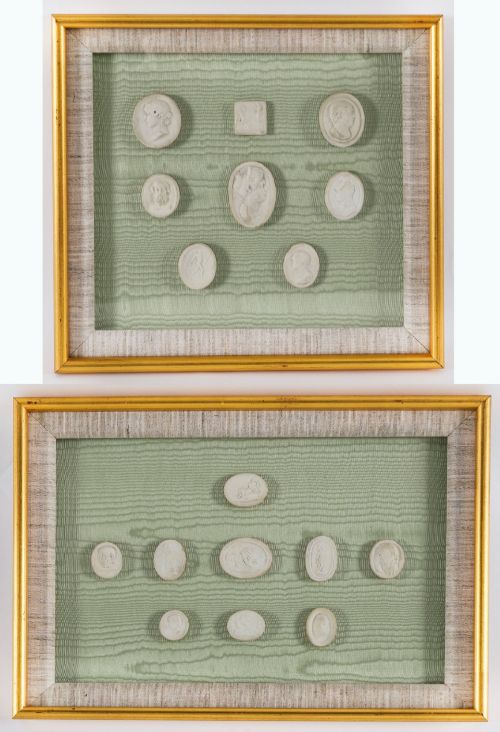
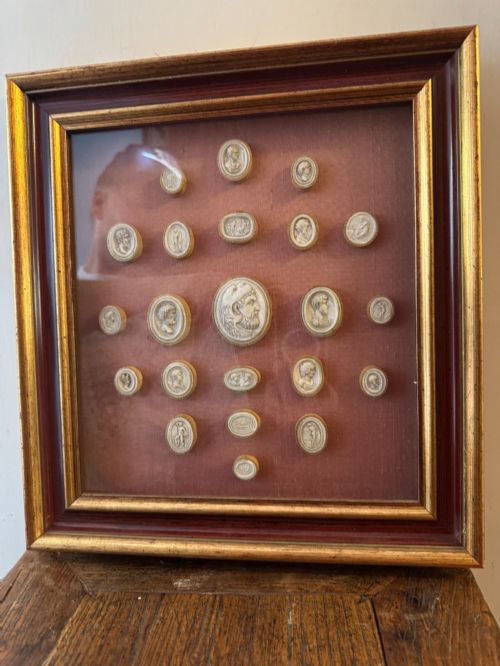
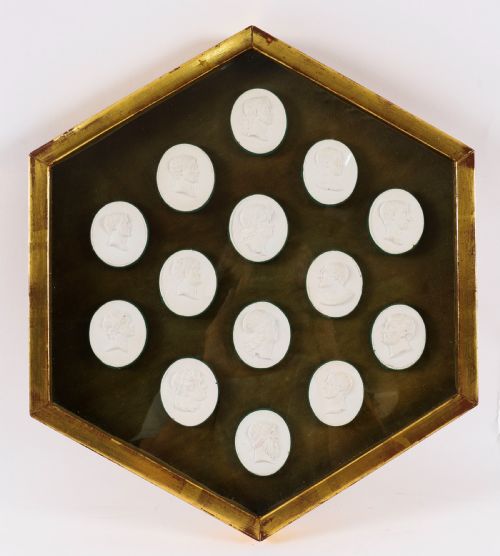
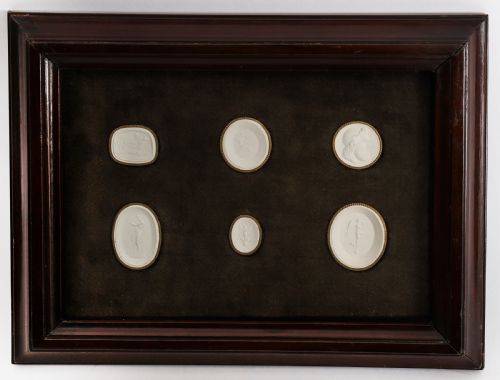
Antique intaglio art encompasses framed classical plaster casts, carved chalcedony rings, silver pendants, and mezzotint portrait prints. When exploring antique intaglio art, collectors commonly encounter framed Grand Tour collections featuring numerous plaster medallions arranged together in wooden frames.
The objects span the eighteenth century, nineteenth century, Edwardian era, and the 1920s and 1930s. Neoclassical, Georgian, and Art Deco styles dominate the physical forms, reflecting the enduring European fascination with classical antiquity and portraiture.
Factors that define quality
The crispness of detail in the moulded plaster casts and the precision of the carved stone or metal set the finer pieces apart from standard examples. Preservation of the original wooden framing, gilt work, and fabric backings influences the overall integrity of the framed collections.
The comprehensiveness and arrangement of the collections, particularly in multi-piece Grand Tour sets signed by makers such as Giovanni Liberotti, elevate the piece. Quality also rests on the clarity of the mezzotint impressions and the richness of the applied colours on paper.
Antique Intaglio Art Retail Price Guide 2026
Typical asking prices for intaglio art among the pieces listed under this phrase on Sellingantiques today, from the lower quarter to the upper quarter. They describe what is for sale here now, not the wider market.
Some nineteenth-century travellers carefully boxed up thirty-five tiny plaster gods and emperors just to hang them on an English wall.
James Watson·Francis Cotes·Giovanni Liberotti·W Ward·F. Petitjean
The Antique Intaglio Art Glossary
- Intaglio
- A design carved into the surface of a material so that the impression sits below the plane. This technique contrasts with cameos, where the subject is raised above the background.
- Grand Tour
- A cultural journey undertaken by European elites during the eighteenth and nineteenth centuries, collecting classical antiquities, plaster casts, and souvenirs. These artefacts were often framed upon return home.
- Mezzotint
- A printmaking process of the intaglio family where the copper plate is roughened to achieve rich tones and subtle gradations of light and dark. It gained popularity for reproducing portraits and paintings.
- Gypsum
- A soft sulfate mineral utilised in the production of plaster casts and intaglio medallions. It takes fine detail from moulds taken of classical sculptures.
- Chalcedony
- A cryptocrystalline form of silica used for gemstone rings and carved ornaments. It offers a smooth surface suitable for intricate intaglio work.
Antique Intaglio Art: Frequently Asked Questions
What is an intaglio?
An intaglio is an image carved into a flat stone, glass, or plaster surface so that the design sits recessed. It serves as the opposite of a cameo, where the subject projects outward.
Historically, intaglios functioned as personal seals for stamping wax on correspondence. In decorative art, collectors mount collections of plaster intaglios inside frames for display.
How were Grand Tour intaglios displayed?
Travellers returning from Europe in the nineteenth century housed their plaster and gypsum casts in custom wooden frames. These often featured velvet or fabric linings to secure the medallions.
Such framed sets served as intellectual decor for libraries and drawing rooms, demonstrating the owner's classical education and travels.
What is a mezzotint print?
A mezzotint is a print created by roughening a copper plate with a rocker tool to hold ink and produce deep tonal variations. It allows for soft shadows and smooth transitions rather than simple lines.
In these collections, mezzotints reproduce portraits of notable figures and genre scenes, frequently printed on paper and framed behind glass.
How do I date antique intaglio pieces?
Dating relies on the framing materials, the style of the mounting, and the physical characteristics of the paper, plaster, or metal. Georgian and nineteenth-century pieces often show distinct wooden frames and handwritten cataloguing notes.
Later Edwardian and Art Deco examples shift toward refined jewellery settings or different print publishing formats. Comparing the maker signatures or publisher marks helps anchor the timeline.