


Antique Insect Jewelry
Antique insect jewellery captures natural form in precious metals, bringing winged and multi-legged creatures into wearable art from the Victorian and later eras.
Antique Insect Jewelry
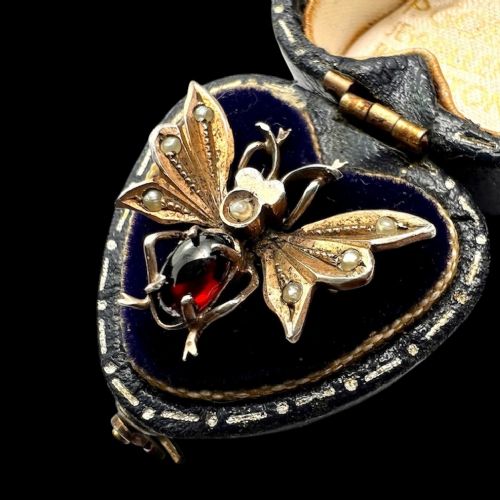
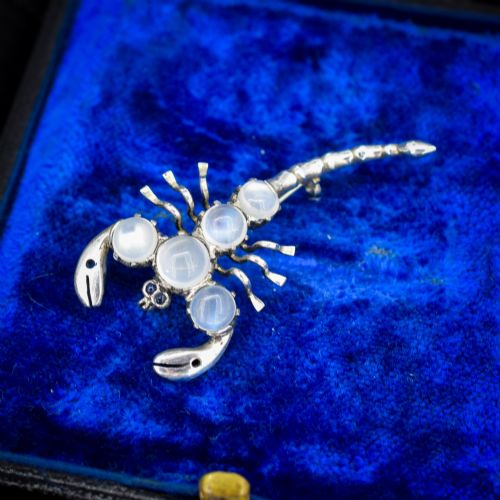
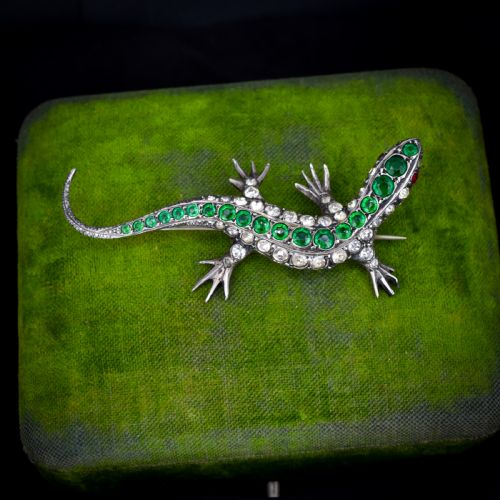
When searching for antique insect jewellery, buyers encounter a fascinating array of brooches, pendants, pins, and earrings shaped as dragonflies, butterflies, flies, beetles, spiders, lizards, scorpions, and cicadas. These pieces span the Victorian, Edwardian, Art Nouveau, and Art Deco periods, shifting from realistic biological studies to stylized modernist interpretations.
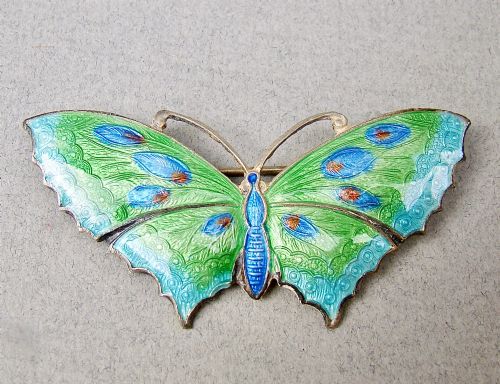
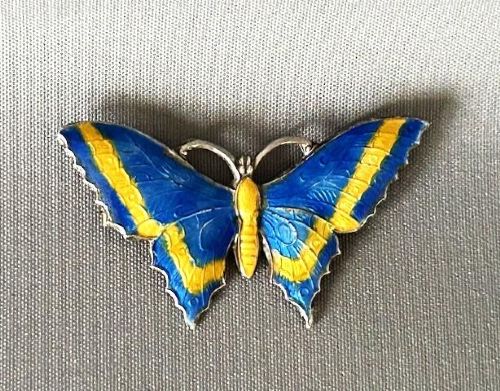
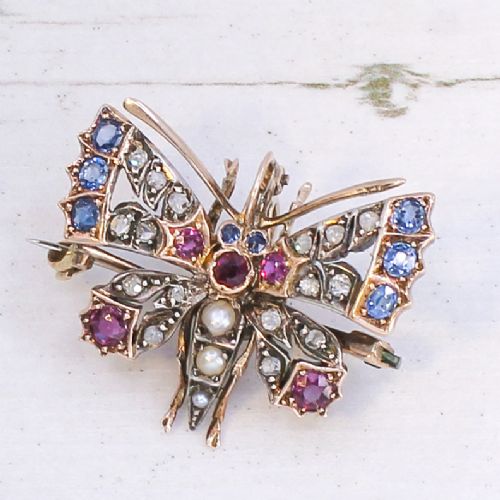
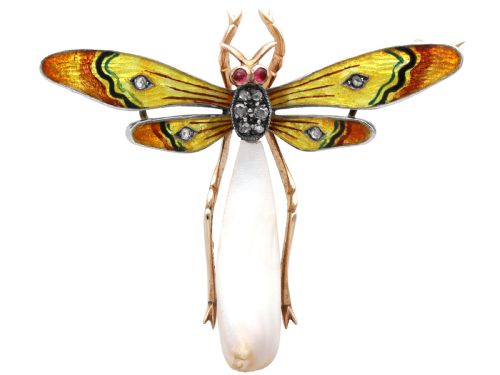
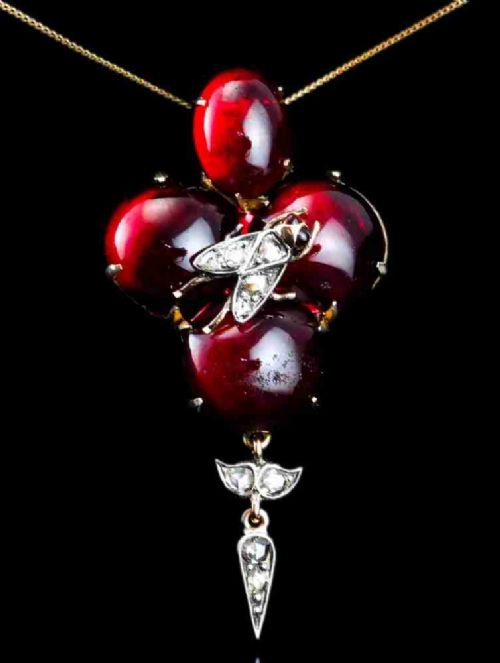
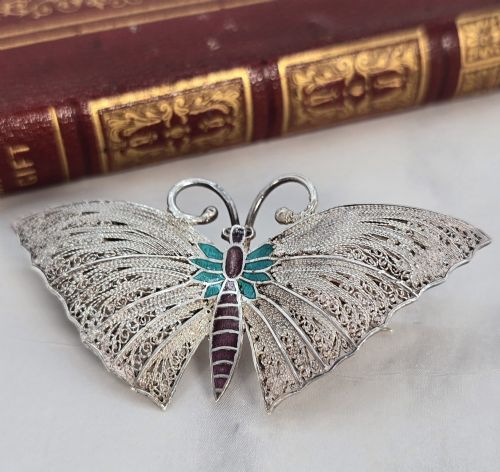
The most common examples on this page are butterfly and dragonfly brooches executed in sterling silver, silver gilt, and yellow gold. Victorian makers often favored naturalistic gold settings encrusted with diamonds, garnets, pearls, and coral, while later Art Deco pieces frequently incorporate butterfly wing panels, plique-à-jour, and guilloché enamel.
Materials and construction
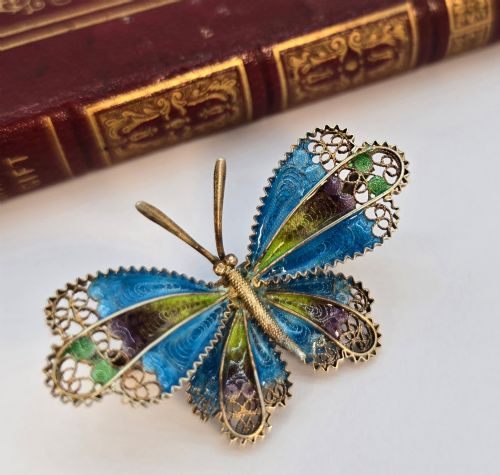
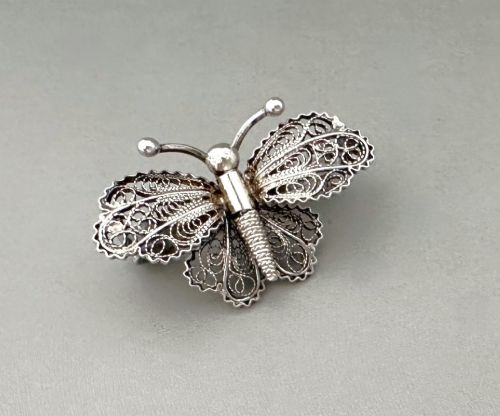
Craftsmen utilised a variety of metals ranging from sterling silver and silver gilt to 9ct, 12ct, 14ct, 15ct, 18ct, and 21ct yellow gold, often employing silver-topped gold settings to enhance the brilliance of mounted diamonds. Structural work relied heavily on fine silver filigree, cast gold, and pierced framing to support delicate limbs and antennae.
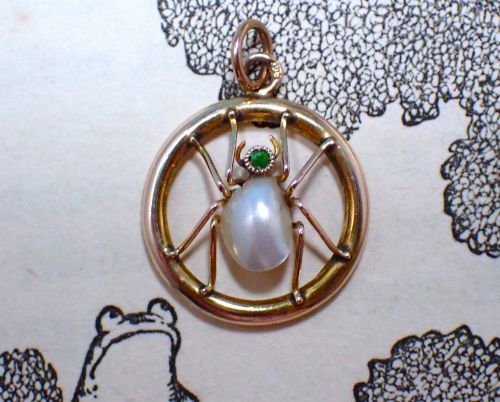
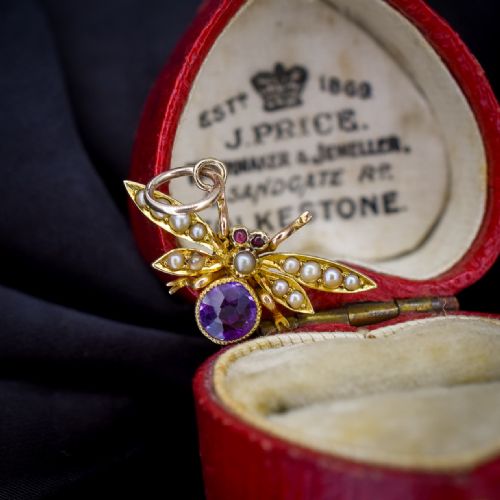
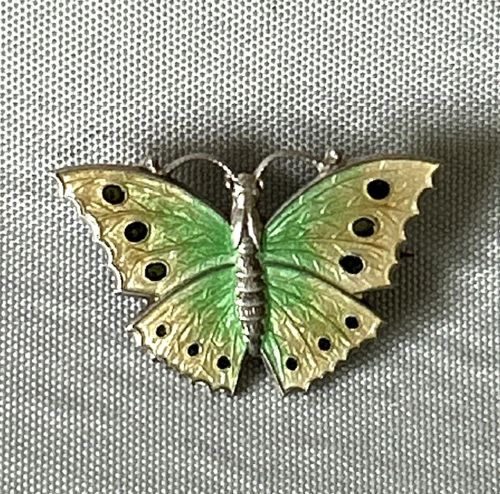
Surface colour and texture were achieved through vitreous enamel, plique-à-jour, guilloché enamel, and pate de verre, alongside butterfly wing iridescence. Gemstone selection was diverse, incorporating diamonds, pearls, rubies, emeralds, garnets, amethysts, green paste, bloodstone, moonstone, labradorite, coral, and basaltic sapphire to render realistic bodies and wings.
Antique Insect Jewelry Retail Price Guide 2026
Typical asking prices for insect jewelry among the pieces listed under this phrase on Sellingantiques today, from the lower quarter to the upper quarter. They describe what is for sale here now, not the wider market.
Listings feature yellow gold across various uncommon purities, including 12ct and 21ct alongside standard Victorian and Edwardian grades.
Distinctions in quality
Quality in these pieces rests upon the fidelity of biological representation and the dexterity of the metalwork. Master jewellers achieved lifelike posture in creatures such as dragonflies and spiders through careful articulation of legs and wings, whereas simpler mass-produced items remain stiff and schematic.
The standard of gem-setting and enamel work further separates the better examples from ordinary output. Intricate plique-à-jour and precise enamel shading demand advanced technical skill, elevating pieces by known designers above standard commercial production.
Gabriel Argy Rousseau·Martin Mayer·Rene Lalique
The Antique Insect Jewelry Glossary
- Plique-à-jour
- An enamelling technique where enamel is applied in cells without a backing, allowing light to shine through transparent colour much like stained glass or insect wings.
- Guilloché enamel
- Enamel applied over a metal surface that has been machine-turned with a repetitive geometric pattern, creating shimmering wave or ray effects beneath the translucent colour.
- Silver-topped gold
- A manufacturing method where a gold backing provides structural strength while a thin layer of silver on the front holds diamonds more securely against tarnish and dark backdrops.
- Pate de verre
- A glass-crafting method involving crushed glass packed into a mould and fused in a kiln, capable of producing richly textured sculptural pendants and charms.
- Bar brooch
- A slender horizontal metal pin mount commonly used during the Victorian and Edwardian eras to display central insect motifs without obscuring clothing.
Antique Insect Jewelry: Frequently Asked Questions
What periods do these pieces come from?
The selection spans the late nineteenth century through the early twentieth century, encompassing Victorian, Edwardian, Art Nouveau, and Art Deco movements. Each era brought distinct stylistic priorities, moving from romantic naturalism to geometric abstraction.
Victorian and Edwardian items tend toward realistic gemstones and precious metals, whereas Art Nouveau and Art Deco examples embrace flowing enamel work and unconventional materials like butterfly wings.
How were these brooches and pendants worn?
Most insect pieces function primarily as brooches or pins designed to fasten securely to lapels, hats, or heavy fabrics. Many incorporate hidden loops or folding Bails that allow them to transform easily into pendants.
Hatpins and small charms also appear frequently, reflecting the accessories and fastenings popular among historical wardrobes.
How do I distinguish Art Nouveau from Art Deco insect pieces?
Art Nouveau examples rely on asymmetrical, organic lines that mimic the natural curves of insect wings and plant tendrils. Plique-à-jour enamel is a frequent hallmark of this style.
Art Deco pieces favour symmetry, clean geometric outlines, and streamlined forms, often utilising sterling silver, marcasite, and bold enamel colours.
Are the butterfly wings genuine in wing brooches?
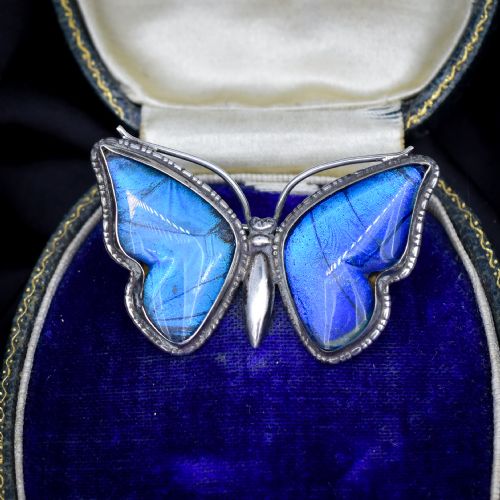
Yes, many decorative butterfly wing items from the early twentieth century utilise actual iridescent wings preserved beneath bevelled glass panels. This technique produces an intense natural blue or turquoise sheen that artificial pigments cannot replicate.
The fragile nature of these wings meant they required hermetic sealing within metal frames to survive daily wear.