




Antique Insect Art
Antique insect art brings nature indoors through delicate glass, silver, and enamel depictions of butterflies and dragonflies.
Antique Insect Art
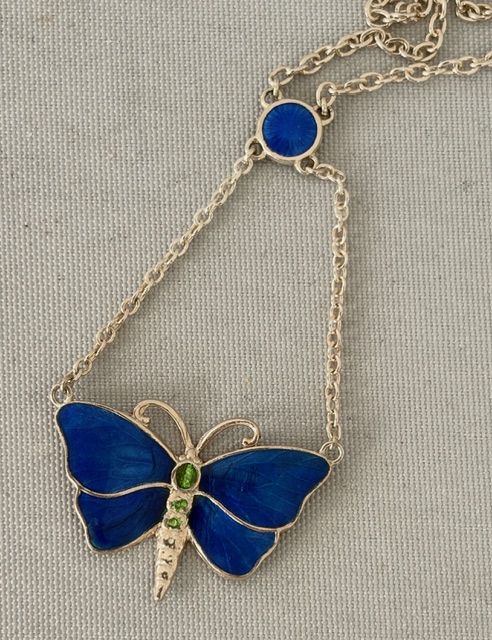
Antique insect art encompasses wearable pieces like brooches and pendants alongside framed wall displays, botanical engravings, and pith paintings. When searching for antique insect art, buyers frequently encounter 19th-century prints and early 20th-century enamel jewellery.
The selection ranges from Victorian natural history specimens to Art Deco sterling silver and butterfly wing creations. Chinese export pith paintings and European wall art also appear across the periods represented.
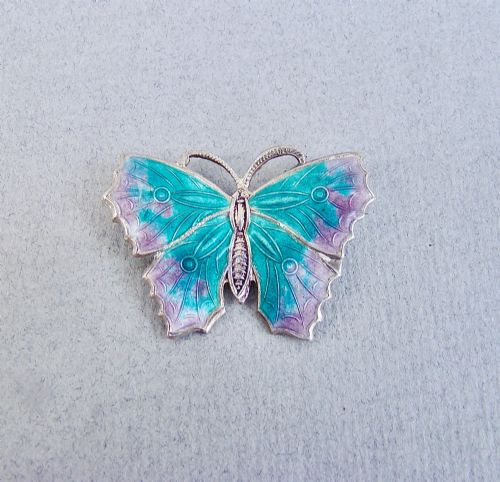
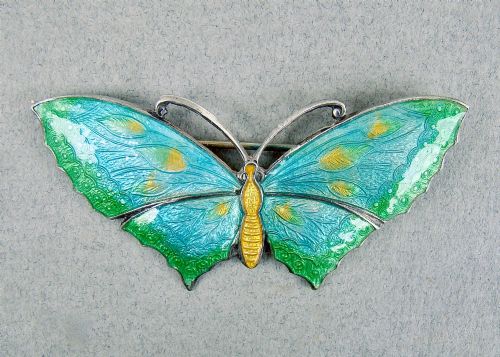
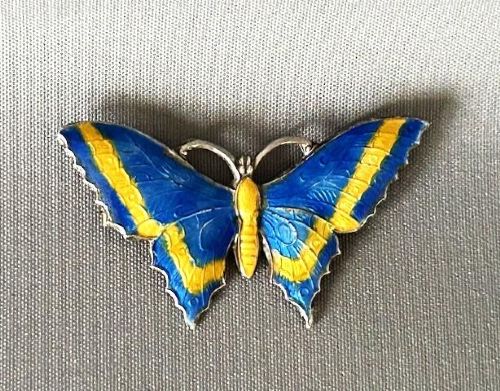
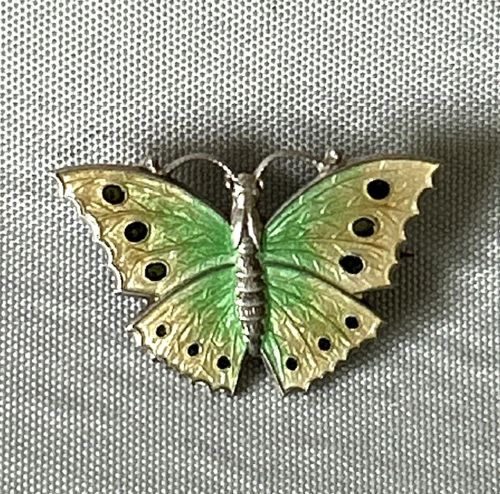
Wearable forms dominate the offerings, particularly silver gilt and enamel butterfly brooches from the 1930s. Framed prints and taxidermy wall displays provide alternative ways to incorporate these natural motifs into an interior.
How they were made
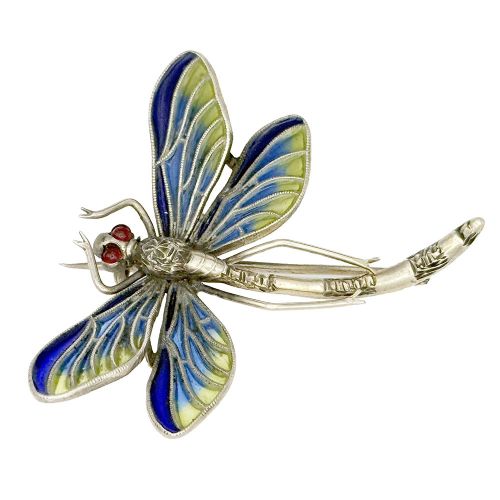
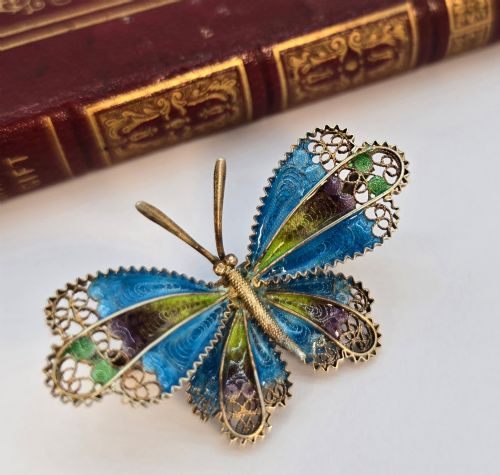
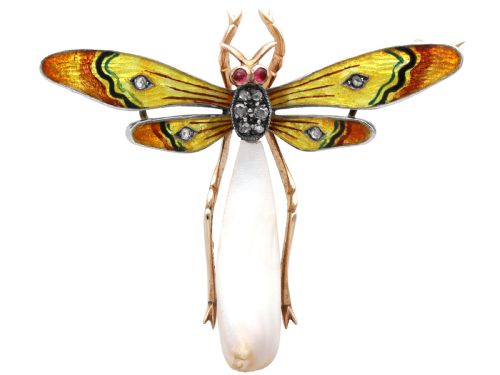
Craftsmen utilised sterling silver, silver gilt, and yellow gold to form the mounts for brooches, pendants, and frames. Enamelling techniques, including guilloche and plique-a-jour, added translucent colour to wings and bodies.
Natural materials such as actual butterfly wings, garnet, diamond, pearl, and paper appear alongside glass, pate de verre, and pewter. Pith paintings utilised plant material as a delicate canvas for detailed watercolour illustrations of insects.
Antique Insect Art Retail Price Guide 2026
Typical asking prices for insect art among the pieces listed under this phrase on Sellingantiques today, from the lower quarter to the upper quarter. They describe what is for sale here now, not the wider market.
A tiny Art Deco car mascot lets you drive with a stylish metal dragonfly leading the way.
What varies in quality
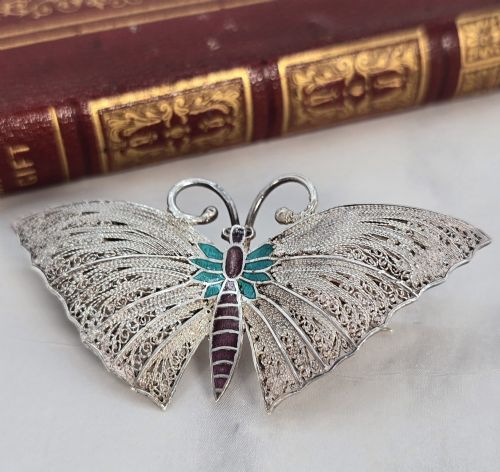
The finesse of the metalwork largely dictates the distinction between standard and superior pieces, particularly in filigree and enamel applications. Intricate hand-painted detail on pith paintings or engravings also elevates the standard of wall art.
Material selection plays a defining role, where genuine gemstones like diamonds and garnets elevate a brooch above simpler silver and enamel counterparts. The preservation of fragile elements like butterfly wings or glass components influences the overall standing of an item.
Gabriel Argy-Rousseau·John Curtis·Martin Mayer·Rene Lalique
The Antique Insect Art Glossary
- Guilloche enamel
- Enamel applied over a metal surface that has been machined with an intricate repetitive pattern. This technique creates a shimmering, translucent depth beneath the coloured glass layer.
- Plique-a-jour
- An enamelling technique where the enamel is applied without a backing, resembling miniature stained glass. Light passes directly through the translucent cells.
- Pith painting
- Artwork created on thin slices of spongy plant pith, traditionally practiced in 19th-century China. These paintings are known for their vibrant pigments and delicate texture.
- Silver gilt
- Silver that has been coated with a thin layer of gold. This process combines the structure of silver with the warm appearance of gold.
- Butterfly wing art
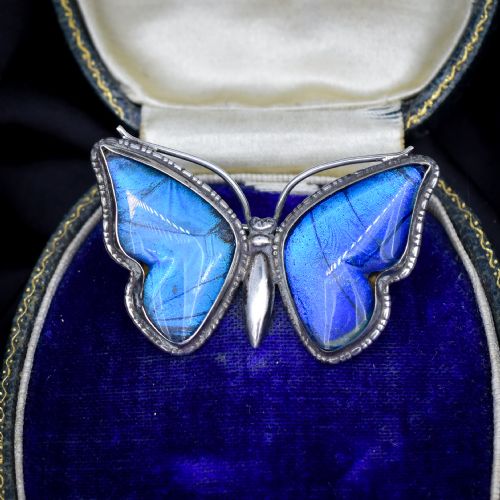
- A decorative technique popular in the early 20th century utilising iridescent Morpho butterfly wings sealed under glass. The wings catch the light to produce shifting blue and green tones.
Antique Insect Art: Frequently Asked Questions
How do I care for antique insect art?
Keep framed pieces and wing art away from direct sunlight to prevent fading of natural colours and paper. Dust silver and enamel components gently with a dry, soft cloth without using harsh chemical dips.
Store wearable items in dedicated boxes to protect delicate filigree and enamel work from impacts. Ensure glass-fronted displays remain in stable humidity environments to protect paper prints and pith paintings.
What periods do these pieces come from?
The available selection spans from the early 19th century through the Victorian era and into the early 20th century. Art Nouveau and Art Deco styles represent the turn of the century and the decades following.
Earlier items tend to be botanical engravings and Chinese export pith paintings from the 1800s. Later pieces are characterised by 1920s and 1930s silver and enamel brooches.
How were butterfly wings used in jewellery?
Craftsmen arranged real, iridescent butterfly wings beneath bevelled glass panels set into sterling silver frames. This technique protected the fragile scales while capturing shimmering light effects.
Such pieces were often produced as souvenir items or decorative brooches during the early decades of the twentieth century. The wings create a natural mosaic that shifts colour depending on the viewing angle.
Are these items made with real insects?
Certain pieces incorporate actual preserved biological specimens, such as framed swallowtail butterflies or taxidermy wall displays. These natural history items were prepared for study and decoration.
Other items interpret insects through artistic mediums like enamel, silver filigree, glass, and paint. Both real specimens and artistic interpretations exist side by side in the historical record.