
Antique Inlay Trinket Box
An antique inlay trinket box brings meticulous craftsmanship and natural materials together to hold small treasures on a dressing table.
Antique Inlay Trinket Box
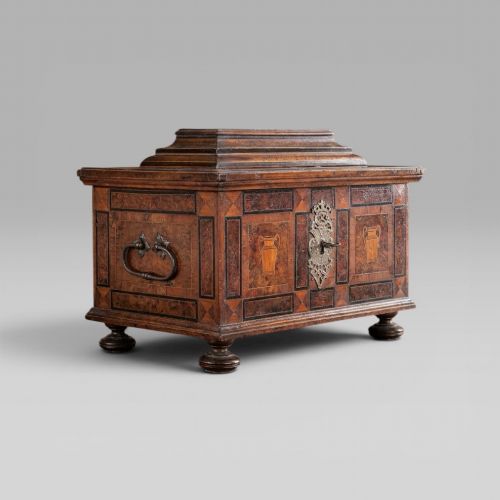
An antique inlay trinket box is a small lidded container designed to hold personal valuables, jewellery or keepsakes, finished with decorative contrasting veneers or inserted materials. These pieces range from compact snuff boxes and card cases to larger fitted dressing boxes and jewellery chests.
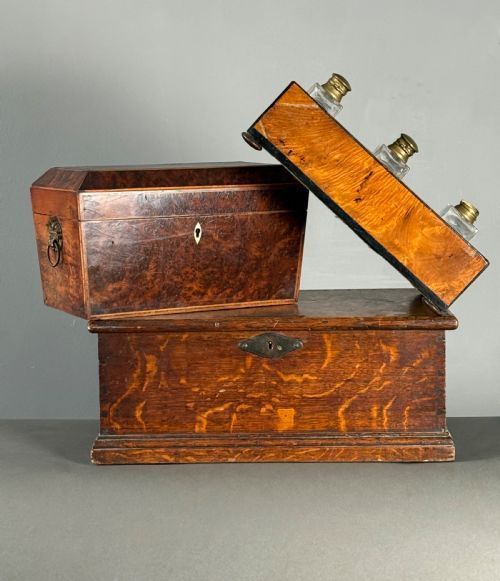
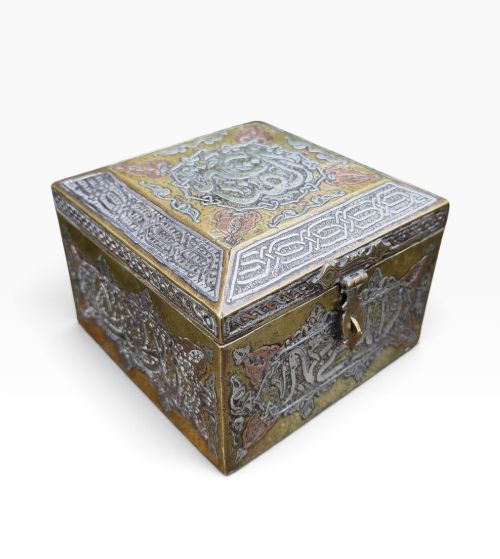
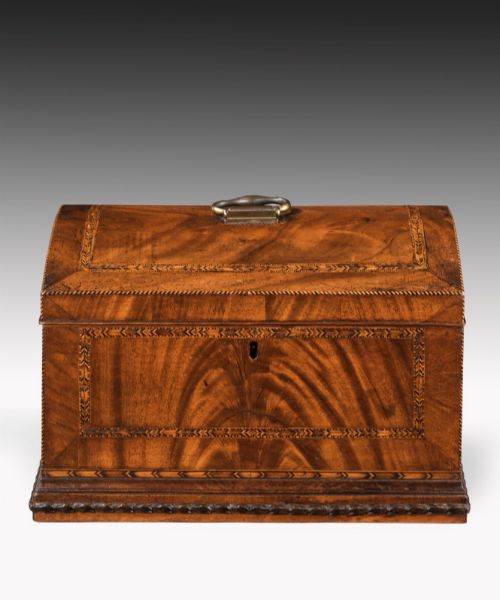
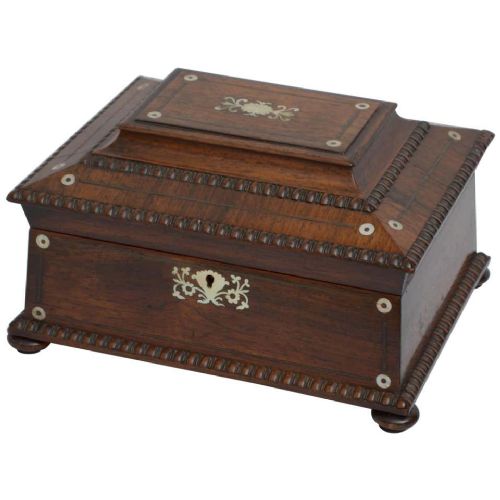
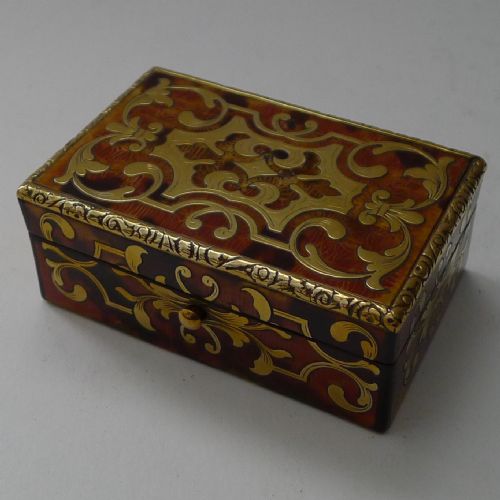
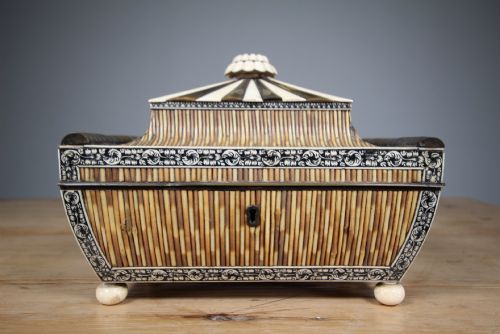
The pieces on this page span several centuries, with a strong representation of Victorian and Regency examples alongside Georgian, Edwardian, and earlier Continental work. Forms vary from simple rectangular caskets to sarcophagus shapes and domed lids, originating from English, French, Italian, and Anglo-Indian workshops.
How they were made
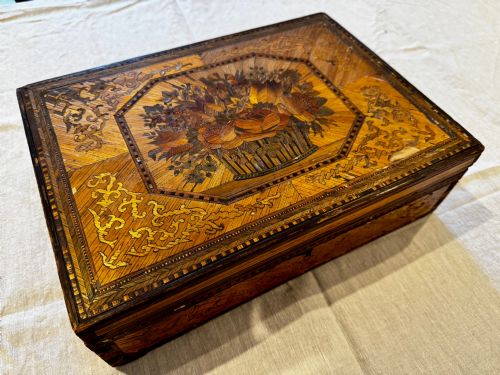
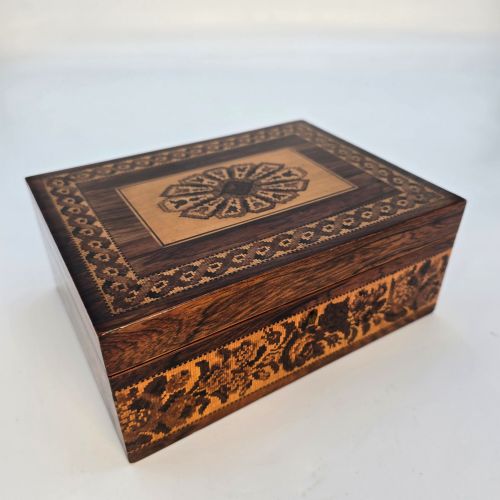
Cabinet makers used timber foundations of mahogany, rosewood, walnut, and fruitwood, applying finely sliced veneers of exotic woods such as amboyna and satinwood. Tunbridge ware examples utilised thousands of tiny tinted wood blocks arranged into complex geometric or pictorial mosaics.
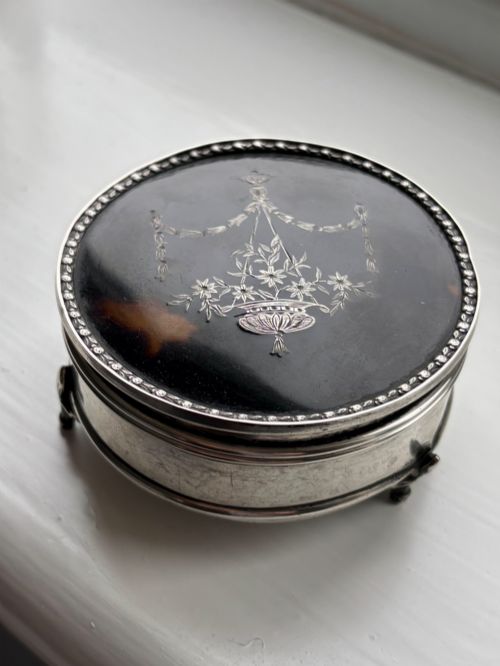
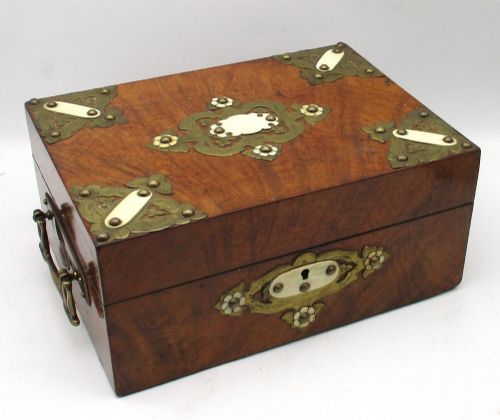
Surface ornamentation frequently incorporated brass stringing, bone, tortoiseshell, and mother-of-pearl secured with animal glue. Metal mounts in ormolu and silver, alongside pique work involving tiny gold and silver pins, added further detail to the lids and corners.
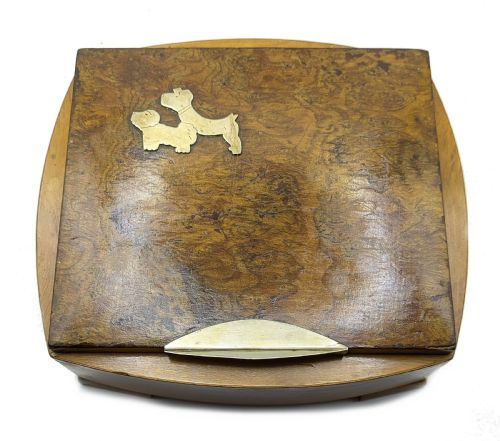
Card-carrying smokers of the 1930s relied on novelty novelty cigarette boxes shaped like Scottie dogs to dispense their daily nicotine.
What varies in quality
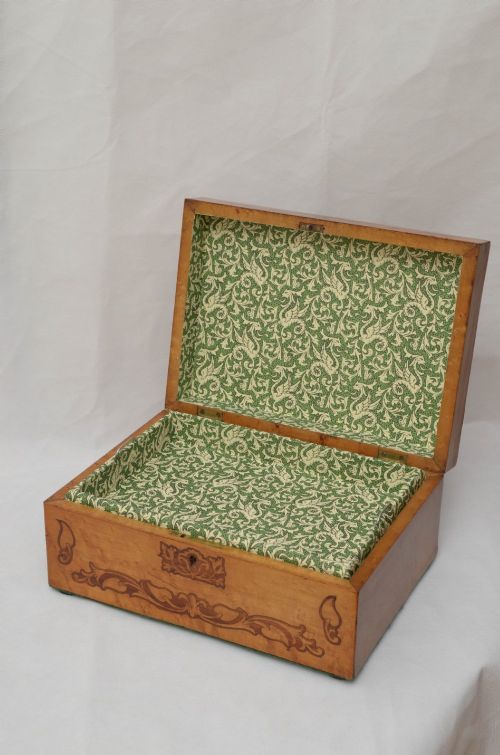
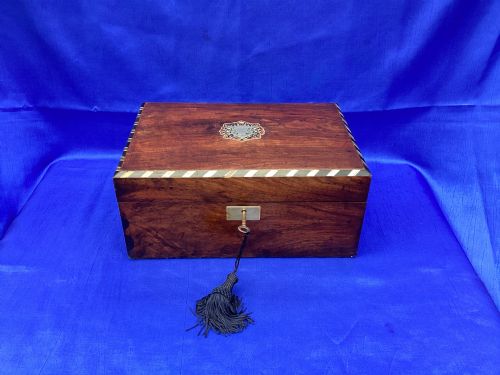
The standard of an antique inlay trinket box depends largely on the precision of the joinery and the complexity of the surface pattern. Tightly fitted internal trays, original silk or velvet linings, and working locks with matching keys distinguish superior examples from simpler containers.
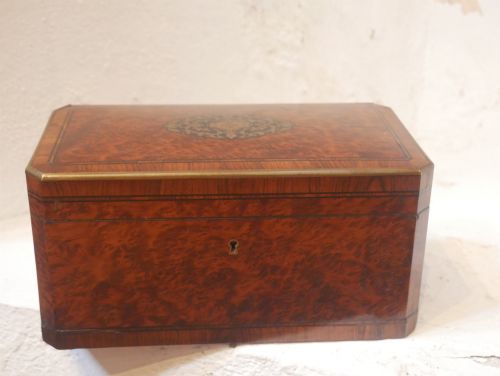
The choice of materials also drives distinction, where figured woods like burr walnut or masterwork marquetry demand higher skill than basic geometric banding. The integrity of the veneer work, with minimal shrinkage cracks or missing pieces of mother-of-pearl and bone, marks the level of preservation.
Tahan Paris·Ollivant and Botsford·Edmund Nye·Asprey and Co·Erhard and Sohne
The Antique Inlay Trinket Box Glossary
- Inlay
- The technique of inserting pieces of contrasting material into a recessed wooden surface to form a flat design. This method differs from applied veneer by sinking the decorative elements directly into the primary ground.
- Marquetry
- Elaborate wood veneer arranged to create pictorial or decorative scenes across the entire surface of a box. Artisans cut various coloured woods together to achieve seamless interlocking patterns.
- Tunbridge Ware
- A specialised form of woodwork originating in Kent, featuring tiny multi-coloured wooden tesserae forming detailed mosaics. Craftsmen glued these geometric rods together before slicing them thinly for application.
- Pique work
- The decoration of tortoiseshell or ivory by inlaying tiny gold or silver points and strips in geometric or floral motifs. This technique flourished during the seventeenth and nineteenth centuries on small personal items.
- Ormolu
- Gilded bronze mounts and feet applied to decorative boxes and caskets to protect corners and frame panels. The process involves coating cast brass or bronze in a layer of finely ground gold mercury amalgam.
Antique Inlay Trinket Box: Frequently Asked Questions
What were antique inlay trinket boxes used for?
These containers served as personal repositories for rings, brooches, coins, and correspondence on desks or dressing tables. Wealthy owners kept them in private chambers to secure smaller valuables away from general view.
Larger variants accommodated sewing implements, stamps, or tea, while pocket-sized snuff boxes accompanied gentlemen on travels. Their internal compartments kept delicate items separated and protected from friction.
How do I date an antique inlay trinket box?
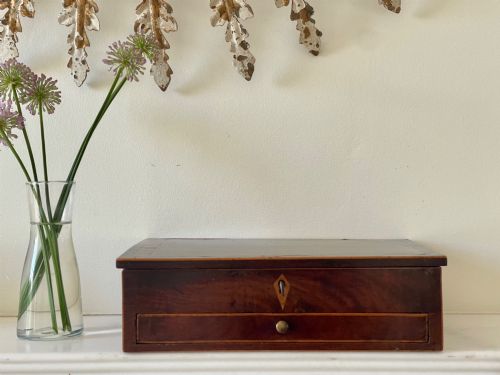
Dating relies on combining the timber species, construction methods, and stylistic motifs visible across the piece. Georgian and Regency boxes often feature flame mahogany or brass stringing, whereas Victorian examples favour burr walnut, rosewood, and mother-of-pearl.
Hardware such as hinges, lock plates, and key escutcheons also provide chronological clues. Hallmarks on silver mounts offer precise year markers where applicable.
How should I care for a wooden box?
Keep wooden boxes away from direct sunlight and sudden temperature shifts to prevent the timber and veneer from splitting. Stable indoor humidity protects the animal glues used in traditional joinery and inlay.
Dust gently with a dry, soft cloth and avoid liquid polishes or silicone sprays. Wax polish applied sparingly once a year helps nourish aged hardwood surfaces.
Are all antique boxes lined with fabric?
Many dressing and jewellery boxes feature fitted interiors lined in velvet, satin, or marbled paper, though simpler containers remain unlined wood. Original linings often show signs of wear due to the friction of stored items.
Unlined boxes typically held dry goods like tea or tobacco, where fabric would retain moisture or odours. Surviving intact silk or leather inserts add notable interest to a piece.