


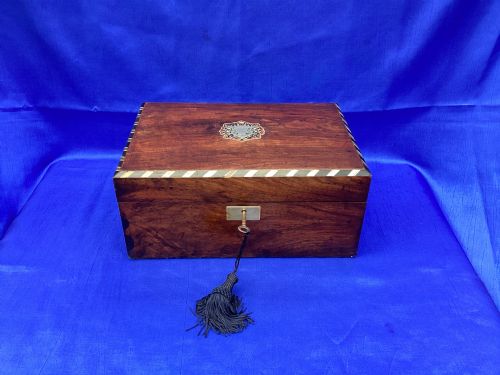
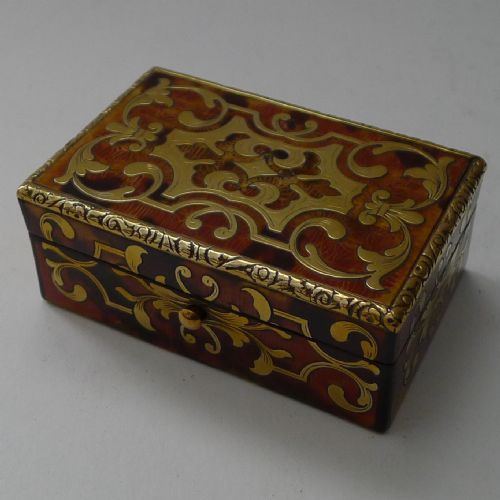
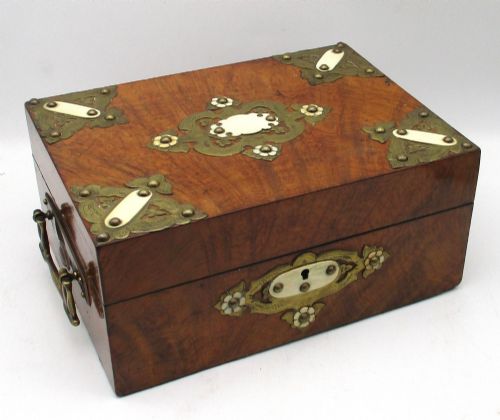
Antique Inlay Jewellery Box
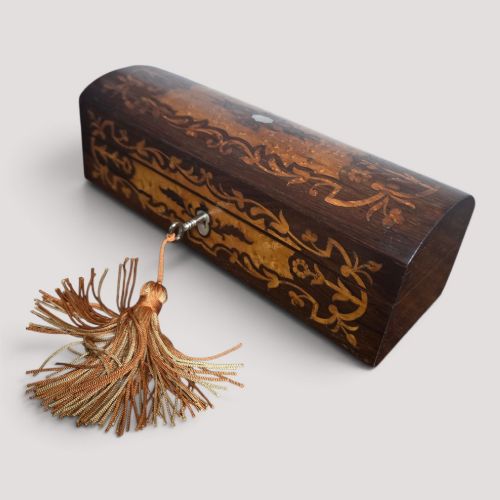
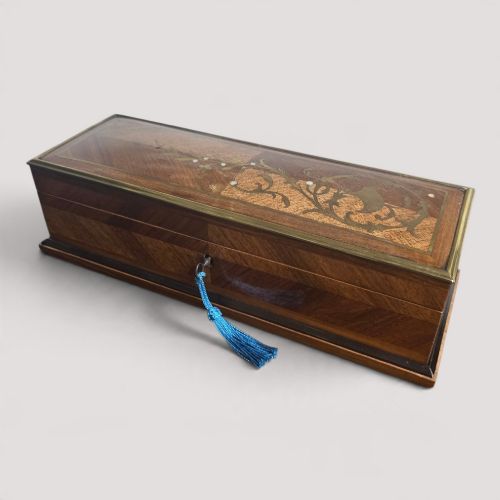
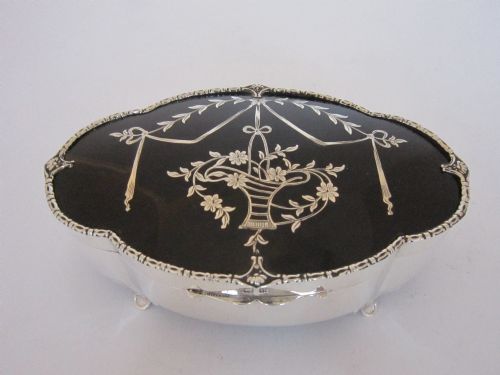
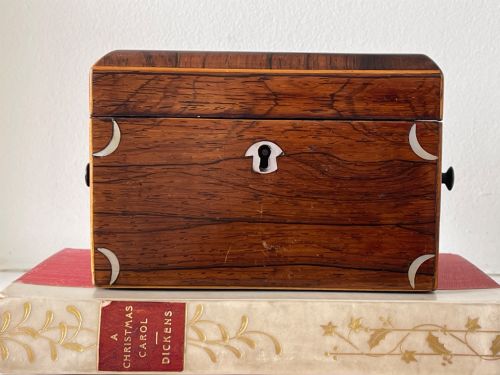
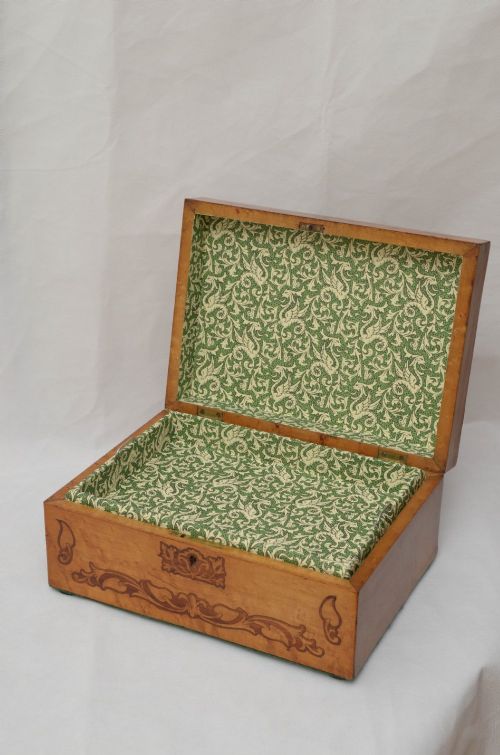
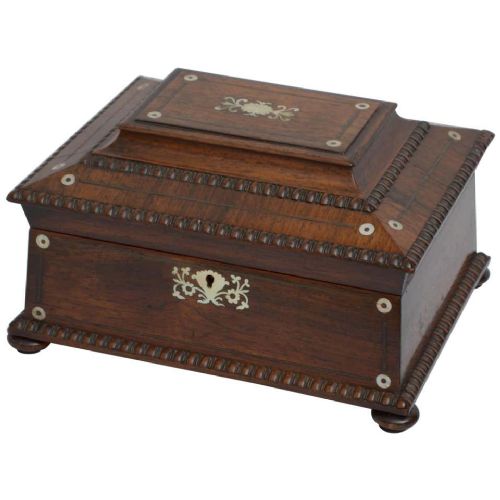
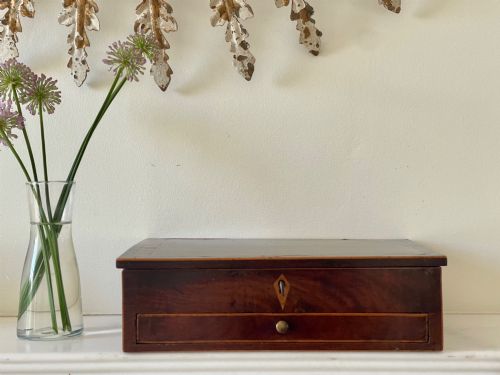
These small timber chests are an antique inlay jewellery box, designed to safeguard keepsakes and small valuables with fine craftsmanship.
Antique Inlay Jewellery Box
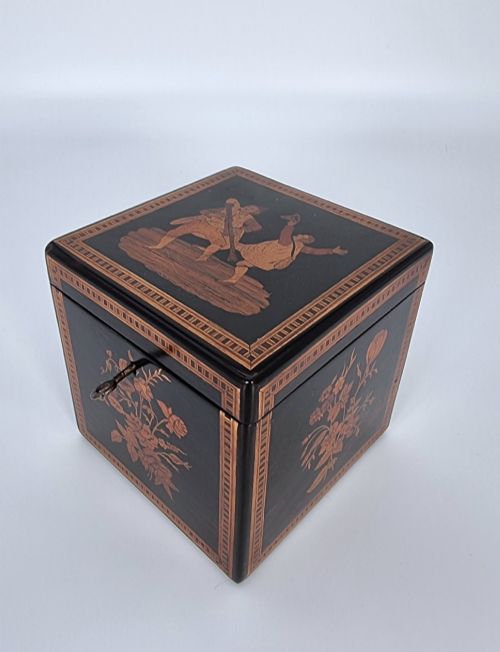
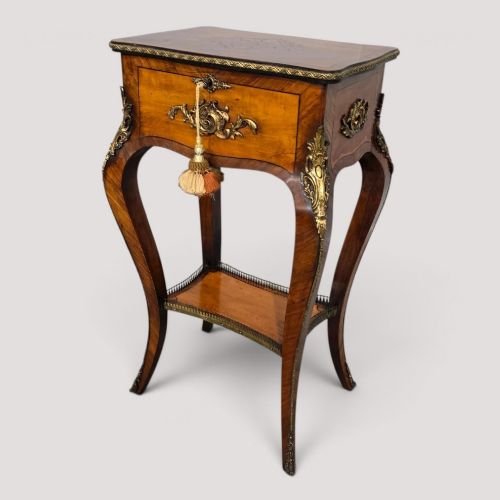
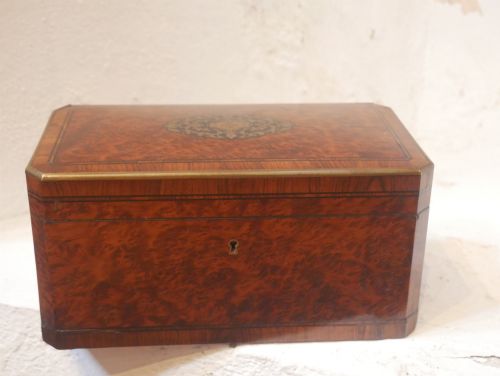
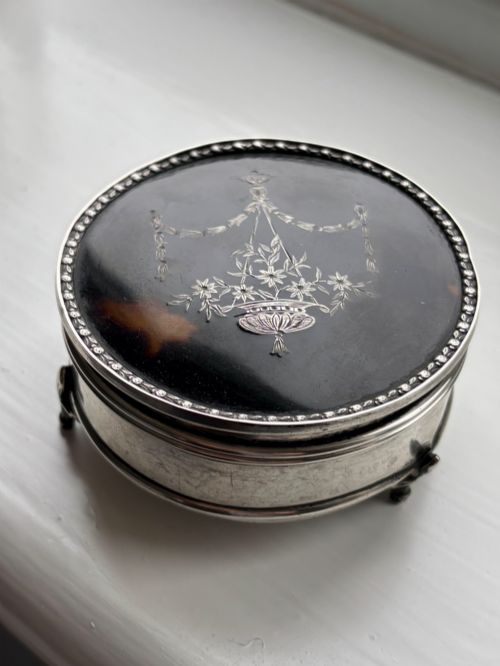
An antique inlay jewellery box encompasses hinged caskets, fitted dressing cases, and small table cabinets intended for personal treasures. Buyers seek these pieces for their decorative presence and practical compartments designed for rings and trinkets.
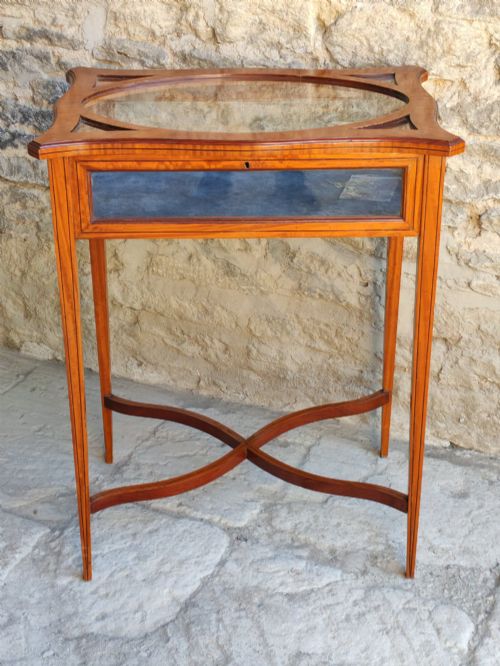
The selections span from Georgian flame mahogany and Regency burr yew to Victorian rosewood and walnut, alongside Edwardian satinwood and display tables. French boulle work, Italian Sorrento marquetry, and Tunbridge ware pieces appear frequently among the diverse regional styles.
Evaluating standard and preservation
Superior examples display crisp geometry in the marquetry and tight joints across the timber carcass, maintaining original interior silk linings and fitted velvet trays. Maker signatures, whether stamped into locks or paper labels inside the lid, elevate the standing of a piece.
The integrity of the surface decoration determines much of the appeal, with complete mother-of-pearl plaques and undamaged micro-mosaic panels indicating careful preservation. Retaining the original working key and functional interior mirrors also distinguishes finer domestic caskets from simpler containers.
Antique Inlay Jewellery Box Retail Price Guide 2026
Typical asking prices for inlay jewellery box among the pieces listed under this phrase on Sellingantiques today, from the lower quarter to the upper quarter. They describe what is for sale here now, not the wider market.
A tiny secret compartment occasionally hides behind a false panel in these boxes, waiting for a lost key to reveal it.
Tahan·Ollivant and Botsford·Edmund Nye·Asprey and Co·Erhard and Sohne·H Mitchell
The Antique Inlay Jewellery Box Glossary
- Marquetry
- Decorative veneer applied to a wooden structure in patterns depicting pictorial scenes or floral motifs. This technique allows craftsmen to combine different coloured timbers for visual depth.
- Tunbridge ware
- Woodworking originating in Kent featuring mosaic patterns assembled from thousands of tiny tinted wood blocks. Each geometric design forms a complete picture when viewed across the lid.
- Pietra dura
- Inlay technique utilising cut and fitted polished coloured stones to create decorative pictures on marble or slate bases. This Italian method often appears on 19th-century ebonised boxes.
- Bijouterie table
- Glass-topped display table designed for showing small decorative items and jewellery. These pieces rose to popularity during the Victorian and Edwardian periods.
- Parquetry
- Geometric mosaic woodwork arranged in regular patterns such as cubes or triangles. It differs from marquetry by relying on repeating angles rather than pictorial arrangements.
Antique Inlay Jewellery Box: Frequently Asked Questions
What periods do these boxes come from?
The pieces span from the late 17th century through the Georgian, Regency, and Victorian eras into the Edwardian period and early 20th century. Most examples date from the 19th century when elaborate dressing and jewellery boxes reached widespread popularity in domestic interiors.
Craftsmen across England, France, Italy, and India produced these caskets using regional timbers and distinct decorative traditions. Stylistic markers range from neoclassical brass stringing to ornate Arts and Crafts or Jugendstil designs.
How were these boxes used originally?
Owners stored rings, brooches, necklaces, and personal documents inside velvet-lined compartments and removable trays. Many larger examples served on dressing tables as vanity cases holding glass bottles and mirrors.
Smaller trinket boxes and display tables held everyday accessories in sitting rooms or boudoirs. Collectors also utilised specialised cabinets to store miniature curiosities and natural specimens.
How do I care for antique wooden boxes?
Keep timber pieces away from direct sunlight and unstable household heat sources to prevent wood movement and veneer lifting. Regular dusting with a dry, soft cloth maintains the finish without requiring heavy polishes.
Ensure interior velvet or silk linings remain dry, and handle brass hinges and locks with care. Beeswax applied sparingly can nourish older hardwood surfaces when the timber appears dry.
How can I tell different inlay types apart?
Marquetry forms pictorial or floral designs using sliced veneers, while parquetry uses geometric wood blocks to create repeating patterns. Tunbridge ware specifically employs microscopic tinted wood tesserae to build mosaic pictures.
Pietra dura uses hardstones like lapis lazuli and jasper embedded in stone or wood bases. Pique work involves tiny gold or silver pins inlaid into tortoiseshell surfaces.