









Antique Inlay Artwork
Antique inlay artwork brings together meticulous craftsmanship and striking natural materials, offering tangible history for your walls and surfaces.
Antique Inlay Artwork
When you search for antique inlay artwork, you encounter a varied assortment of decorative items that incorporate fitted materials into a base surface. The selection spans centuries of global craftsmanship, encompassing wall art, plaques, trays, and sculptural objects.
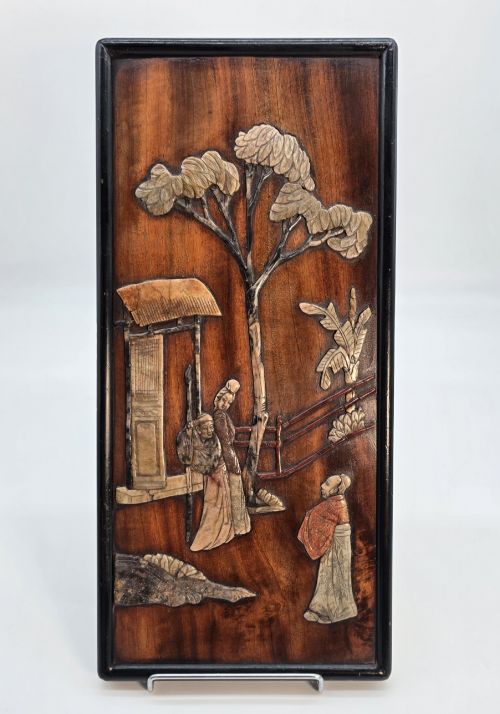
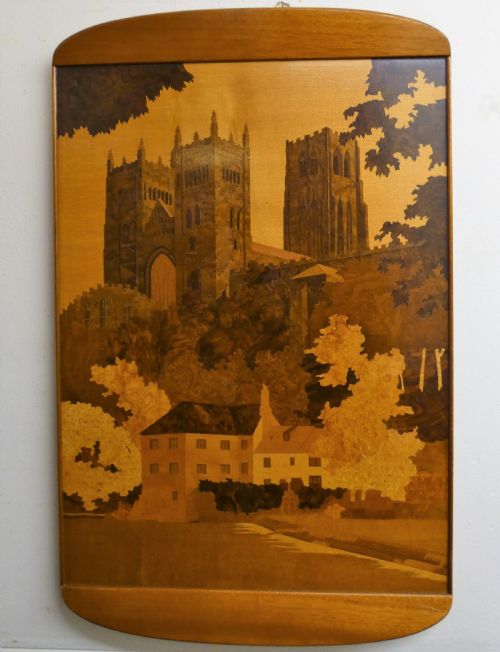
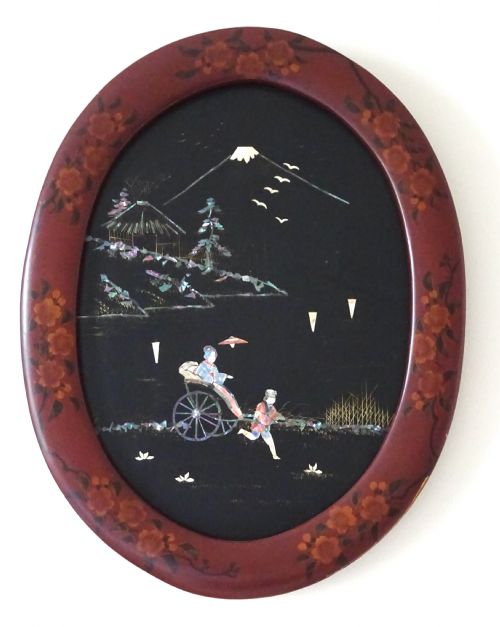
The pieces on this page represent diverse cultural traditions and periods, from nineteenth-century Italian stonework to Japanese metalwork and African carved studies. Buyers frequently find framed architectural panels, decorative roundels, and scenic trays among these offerings.
Originating from workshops across Europe, Asia, and South America, these items utilise techniques passed down through generations. Each piece demonstrates how makers combined disparate substances to create lasting pictorial or decorative effects.
How they were made
Artisans constructed these pieces using a foundation of wood, marble, or bronze, into which they meticulously fitted contrasting elements. Craftsmen employed hardstones, bone, mother-of-pearl, and specimen woods to build up complex pictorial scenes or geometric motifs.
Techniques varied widely by region, combining stone-cutting methods like pietre dure with traditional lacquering, marquetry, and metal inlay. Makers selected each material for its natural colour and texture, cutting and polishing components to sit flush within the primary surface.
Antique Inlay Artwork Retail Price Guide 2026
Typical asking prices for inlay artwork among the pieces listed under this phrase on Sellingantiques today, from the lower quarter to the upper quarter. They describe what is for sale here now, not the wider market.
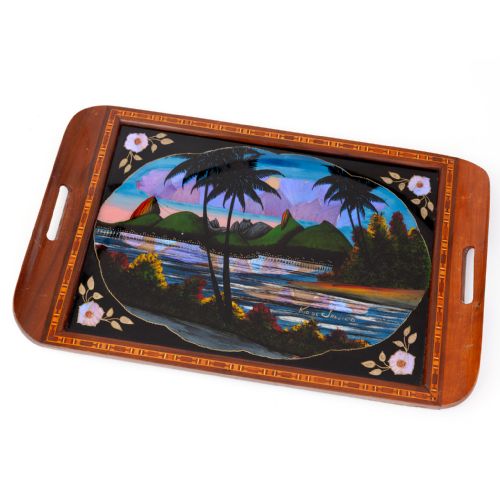
A Brazilian butterfly tray uses genuine insect wings beneath glass to capture a scenic view of Rio de Janeiro.
What varies in quality
The standard of antique inlay artwork depends on the precision of the fit between the constituent materials and the complexity of the design. Superior examples exhibit seamless joints where stones or woods meet, alongside sophisticated pictorial composition.
The Antique Inlay Artwork Glossary
- Pietra dura
- An Italian term for the technique of inlaying cut and polished coloured stones to create pictorial images. This method produces durable works with rich, permanent colour.
- Marquetry
- The art of applying pieces of veneer to a structure to form decorative patterns or pictures. Craftsmen traditionally utilised various coloured woods to achieve tonal depth.
- Specimen wood
- Timber selected for its specific natural grain, colour, or rarity rather than structural utility. Makers arranged these woods to showcase natural botanical variation.
- Meiji
- A Japanese historical period associated with high technical mastery in metalwork and decorative arts. Artisans during this era produced intricate mixed-metal compositions.
Antique Inlay Artwork: Frequently Asked Questions
What defines antique inlay artwork?
These pieces are decorative items where contrasting materials like stone, wood, bone, or metal are embedded into a primary surface to form a design. They range from Italian marble pictures to Japanese metalwork and marquetry panels.
Collectors prize them for the physical depth and textural variety created by combining natural substances within a single composition.
How should I display these pieces?
Wall art and framed panels suit hanging in well-lit rooms away from direct moisture, while trays and solid stone plaques function well on flat surfaces. Because many incorporate delicate components like mother-of-pearl or thin marble, stable indoor environments preserve their condition.
Placing items where natural light catches the polished stone or metal highlights the tonal contrasts built into the surface.
How do I identify different regional styles?
Italian pieces often feature polished hardstones depicting figures or landscapes using the pietre dure technique. Japanese works from the nineteenth century frequently employ mixed-metal bronze or lacquered roundels with distinctive motifs.
Examining the underlying materials and the specific cutting techniques points directly to the geographic origin and workshop traditions of the maker.
What materials appear most frequently?
Wood, marble, and bone form the structural and decorative foundation for many items in this category. Makers also incorporated mother-of-pearl, gilt, and bronze to add reflective highlights and varied textures to the artwork.
Natural stone varieties, including Derbyshire Ashford marble, provide rich colour palettes derived entirely from the earth.