

Antique Inlaid Plaque
An antique inlaid plaque brings surface work and distinct materials together, offering panel details from the nineteenth century onward.
Antique Inlaid Plaque
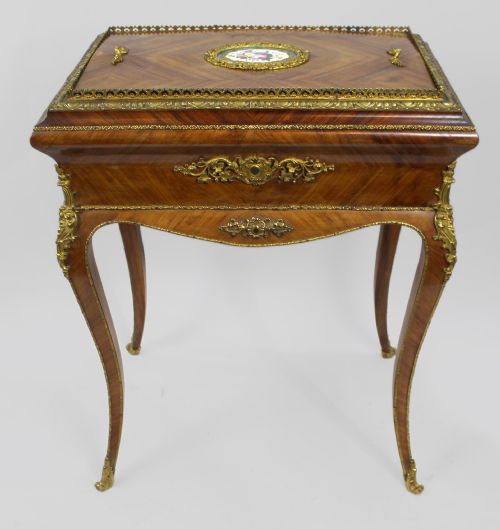
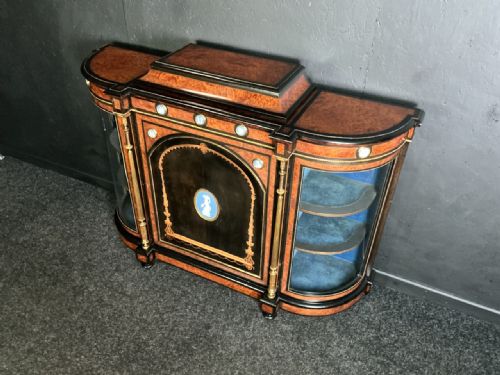
When you search for an antique inlaid plaque, you examine decorative panels, wall plaques and framed stone or metal pictures originating mainly in the nineteenth century. These pieces appear on furniture mounts, cabinet doors and dedicated wall displays across periods such as the Victorian era and the early twentieth century.
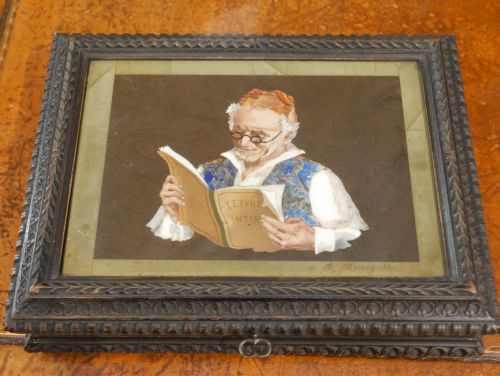
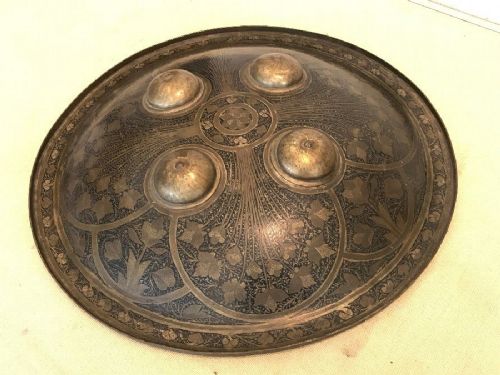
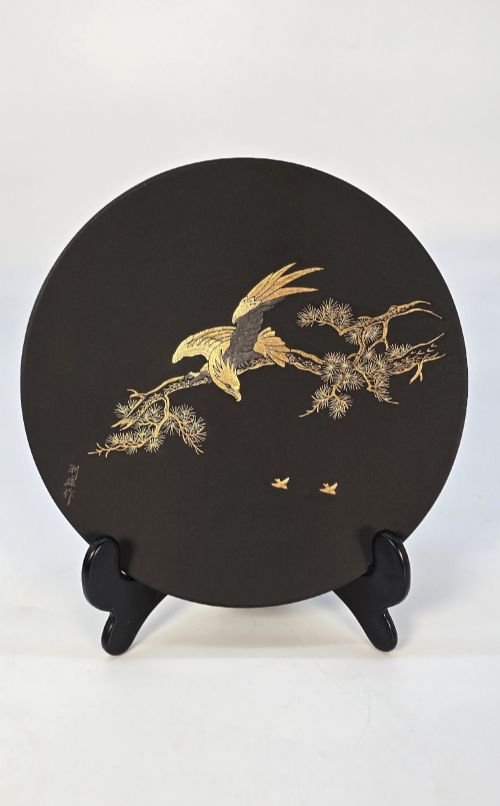
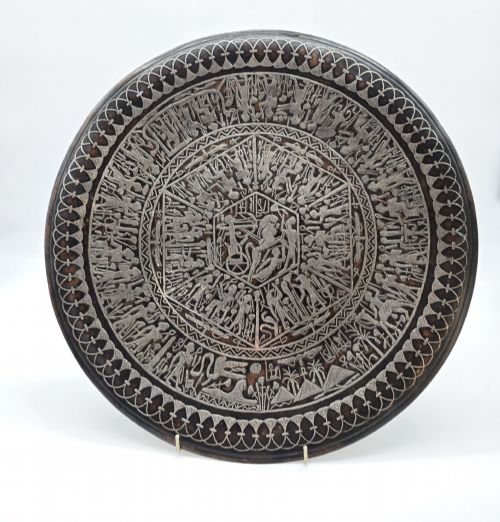
The items you meet most often on this page include Victorian wall plaques, Tunbridge ware panels, Japanese iron and bronze plaques, and Italian pietra dura marble pictures. They range from small paperweights and framed panels to larger architectural dioramas and chargers.
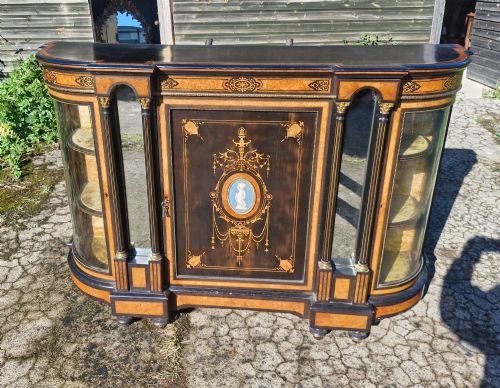
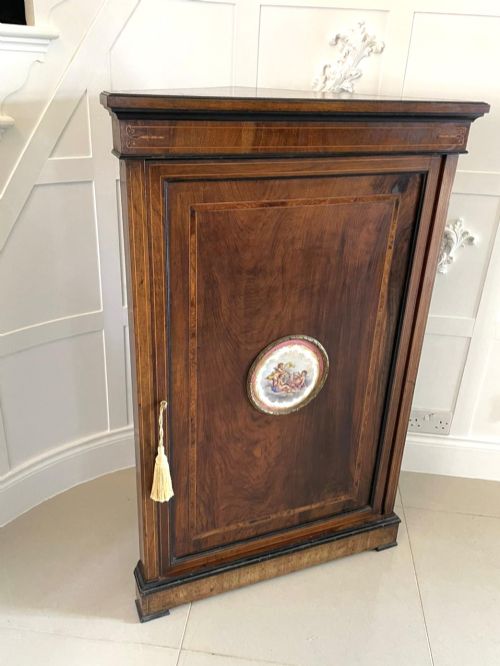
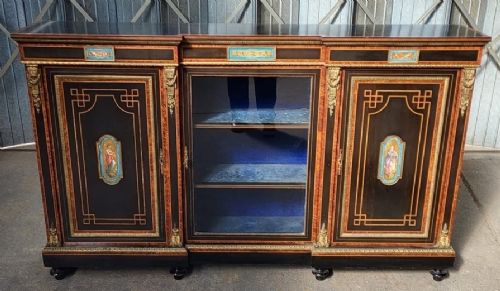
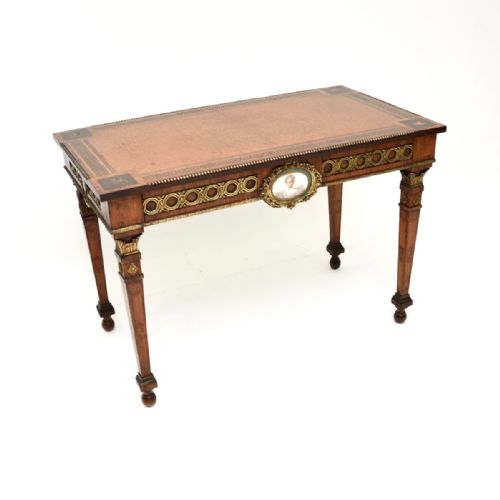
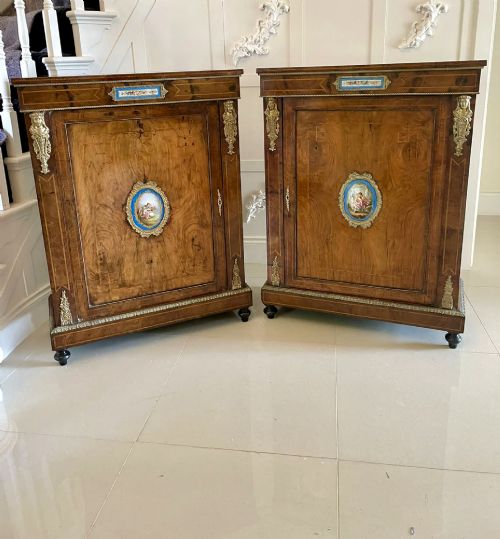
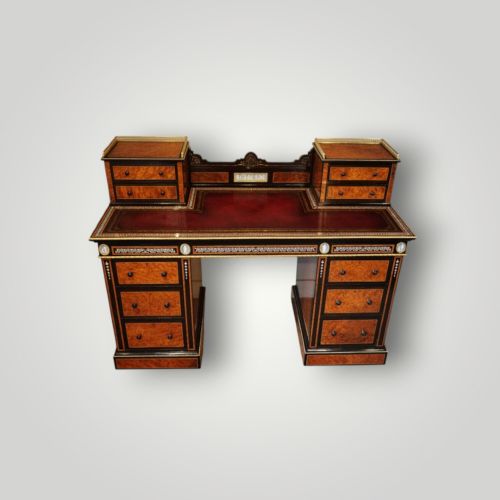
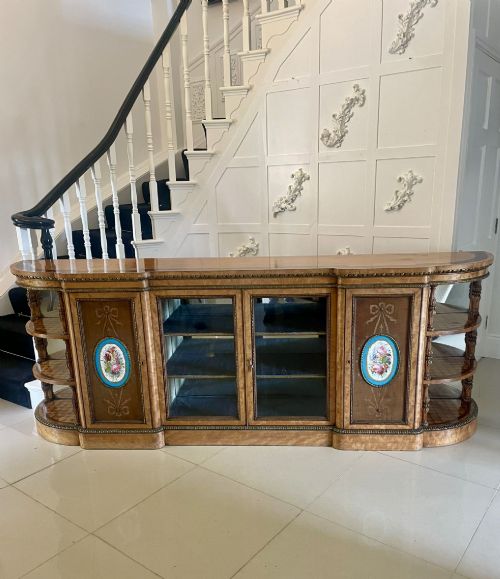
Makers and regional workshops from English, Italian, Japanese and Middle Eastern traditions produced these works using local woods, stone, metals and ceramics. The forms vary from flat wall art to inset plaques mounted onto credenzas, side cabinets and desks.
Materials and construction
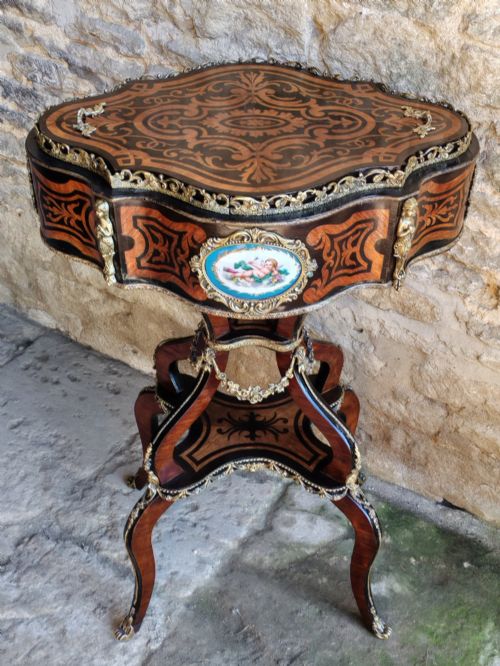
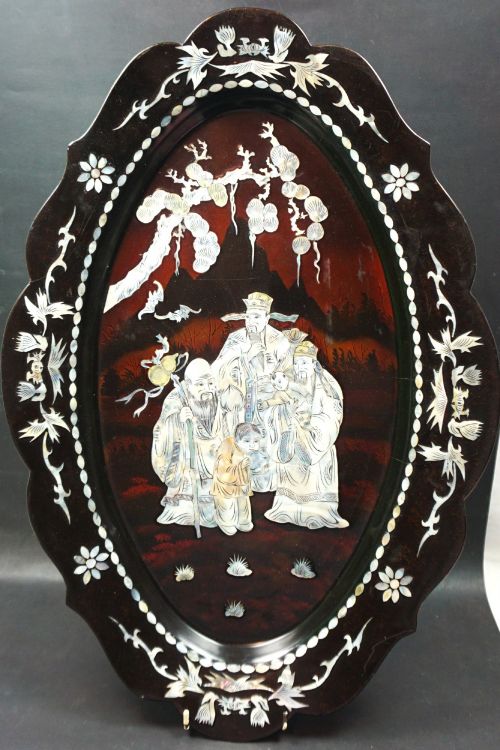
The construction combines a base ground of wood, stone or metal with contrasting inlay materials such as mother of pearl, ivory, porcelain, brass and various coloured marbles. Wood pieces often utilise burr walnut, ebonised wood or satinwood fitted with marquetry and Tunbridge ware mosaic patterns.
Metal and stone works employ techniques like Japanese gold and silver inlay on patinated iron and bronze, alongside Italian pietra dura where hardstones are precisely cut and fitted together to form pictorial scenes. Ceramic elements, including Wedgwood and Sevres porcelain plaques, are set directly into furniture carcases or framed independently.
Antique Inlaid Plaque Retail Price Guide 2026
Typical asking prices for inlaid plaque among the pieces listed under this phrase on Sellingantiques today, from the lower quarter to the upper quarter. They describe what is for sale here now, not the wider market.
Materials recorded across the stock include porcelain, ormolu, glass, burr walnut, brass, ebonised wood and mother of pearl.
Evaluating craftsmanship
Quality rests upon the precision of the fit between the inlay and the surrounding ground, whether dealing with tight wood marquetry, flush stone tesserae in pietra dura, or delicate metal wirework. Finer examples show no perceptible gaps around individual pieces and maintain crisp, clean edges along every junction.
The choice of materials also dictates standard, with exhibition pieces incorporating rich timbers like amboyna and thuya, finely painted porcelain, or intricate mother of pearl alongside ormolu mounts. The complexity of the pictorial subject, from simple geometric bands to detailed figural scenes and architectural dioramas, marks the distinction between standard production and masterwork.
Jackson and Graham
The Antique Inlaid Plaque Glossary
- Pietra dura
- Hardstone inlay using sliced and polished coloured stones like marble, lapis lazuli and jasper to create pictorial mosaics. This Italian technique produces smooth, stone-surface pictures that resist fading.
- Tunbridge ware
- A form of British woodworking from Kent producing small mosaic plaques and boxes from thousands of tiny tinted wood blocks. Each block forms part of a geometric or floral picture.
- Marquetry
- The art of applying veneer pieces to a structure to form decorative patterns and pictorial designs. Craftsmen shape various woods and organic materials to fit flush into a background veneer.
- Ormolu
- Gilded bronze mounts attached to furniture and decorative panels during the eighteenth and nineteenth centuries. The cast metal adds bright metallic framing to wood and porcelain panels.
- Pier cabinet
- A narrow display cabinet designed to stand against the wall between windows, frequently fitted with inlaid wood and porcelain plaques. These cabinets often feature glazed doors and ormolu mounts.
Antique Inlaid Plaque: Frequently Asked Questions
What is an antique inlaid plaque?
An antique inlaid plaque is a decorative panel featuring materials like wood, stone, metal or porcelain set into a contrasting ground. These pieces include framed stone pictures, Tunbridge ware wall plaques and metal wall chargers.
They date primarily from the nineteenth century and the early twentieth century, reflecting various regional techniques from European marquetry to Japanese mixed-metal work and Italian pietra dura.
How were inlaid plaques used historically?
Historically, these plaques served as wall art, framed specimens, or integrated decorative elements on furniture such as credenzas, pier cabinets and writing desks. Some were mounted onto walls as independent pictures or architectural dioramas.
Others formed parts of presentation boxes, paperweights and table tops, combining decorative appeal with functional surfaces or display purposes.
How do I care for an inlaid plaque?
Living with these pieces requires stable environmental conditions away from direct sunlight and extreme humidity changes, which can warp wood grounds or loosen delicate adhesives. Dust gently with a dry, soft cloth without applying liquid polishes that might seep into inlay joints.
Stone and metal plaques need minimal maintenance beyond gentle dusting, while wood and ivory elements benefit from steady indoor temperatures to preserve the original materials.