





Antique Industrial Wheel
An antique industrial wheel brings utilitarian strength and functional mechanics into contemporary interiors, offering durable charm shaped by heavy working heritage.
Antique Industrial Wheel
When you search for an antique industrial wheel, you encounter robust functional hardware repurposed or integrated into domestic furnishings. The listings span a broad timeframe from the Victorian era through the 1930s, featuring practical objects designed for heavy-duty work.
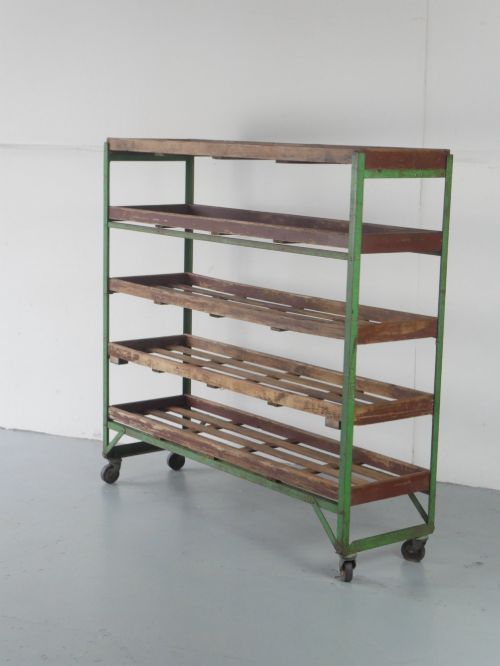
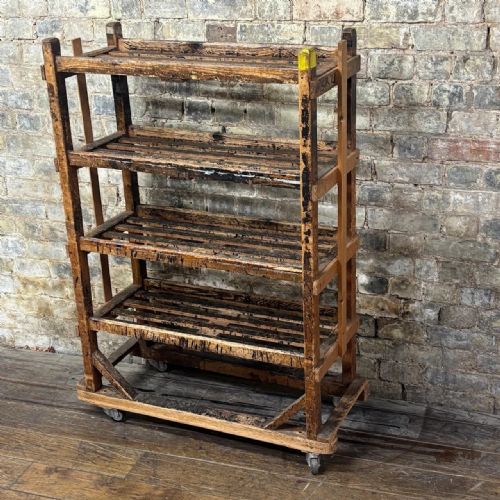
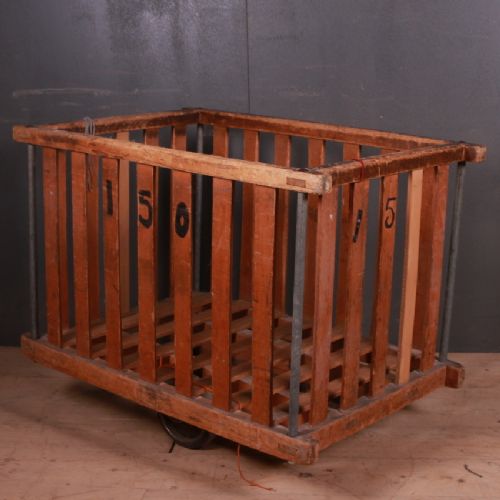
The items found here include utilitarian luggage stands, adjustable tables, storage bins, and coal wagons. Many pieces combine heavy metal frameworks with timber components, reflecting straightforward factory and workshop origins.
You also discover decorative objects and specialised items such as desk clocks and ceiling roses. These varied forms demonstrate how robust working components found a second life in domestic interiors.
How they were made
Makers utilised durable metals including cast iron, wrought iron, and steel to withstand heavy loads and constant movement. These metal elements were frequently paired with solid oak or other woods to construct sturdy furniture bases and storage units.
Blacksmiths and factory workers shaped these materials by hand and machine, incorporating brass and glass details where specific mechanical or visual functions required them. Construction prioritised utility and longevity above decorative flourish.
Antique Industrial Wheel Retail Price Guide 2026
Typical asking prices for industrial wheel among the pieces listed under this phrase on Sellingantiques today, from the lower quarter to the upper quarter. They describe what is for sale here now, not the wider market.
Listings feature items spanning the Victorian period, Edwardian era, and the 1920s to 1930s, constructed from cast iron, oak, brass, and glass.
What varies in quality
The distinction between standard utility items and finer examples lies in the integrity of the original construction and the clarity of maker provenance. Pieces bearing distinct foundry markings or originating from known industrial sites carry greater historical weight.
Quality also rests on the harmonious balance between metal and wood components, where honest wear from working use enhances rather than detracts from the overall physical presence of the object.
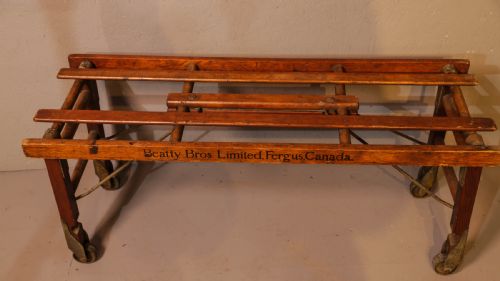
Richard Arkwright Masson Mills·Beatty Bros Fergus Canada·Carters of London
The Antique Industrial Wheel Glossary
- Cast iron
- A strong, heavy alloy poured into moulds to create rigid machine parts and structural furniture bases. It forms the backbone of Victorian and industrial utilitarian design.
- Wrought iron
- Iron beaten and worked by hand into shapes that offer high tensile strength and resilience. Blacksmiths utilised this material for functional hardware and load-bearing brackets.
- Utilitarian
- Designed primarily for practical use rather than aesthetic appeal. This style defines items built for factories, mills, and heavy domestic chores.
- Luggage stand
- A low folding or rigid rack used in hotels and large homes to hold trunks and cases. Edwardian examples often incorporated sturdy timber and metal bracing.
Antique Industrial Wheel: Frequently Asked Questions
What defines an industrial wheel?
An industrial wheel is a heavy-duty mechanical component cast from iron or steel, designed to move heavy loads in factories, mills, or workshops. They represent the practical engineering of the nineteenth and early twentieth centuries.
Over time, these robust elements found new purposes in furniture bases, storage trolleys, and decorative items for domestic spaces.
How do I date these metal items?
Dating relies on manufacturing techniques, material choices, and any visible foundry stamps or maker marks. Victorian and Edwardian pieces often display specific casting textures and fastening methods distinct from later 1930s production.
Comparing the style of associated woodwork, such as solid oak tops, helps narrow the period of manufacture.
Are these items suitable for daily use?
Most of these pieces were originally built for heavy manual labour, making them exceptionally sturdy for modern domestic environments. Tables, stands, and storage bins continue to function reliably in everyday settings.
Their robust construction ensures they handle modern loads with the same ease they managed historical workshop tasks.
Where were these pieces used originally?
They originated in nineteenth-century mills, railway stations, blacksmith workshops, and industrial warehouses where heavy transport was essential. Items like fire bins and coal wagons served specific daily operational roles.
Later, similar hardware transitioned into Edwardian households and commercial offices for luggage handling and adjustable furniture.