



Antique Industrial Furniture
Antique industrial furniture brings together heavy utility and rugged style, offering sturdy workbenches, robust baker's racks, and cast-iron tables for modern interiors.
Antique Industrial Furniture
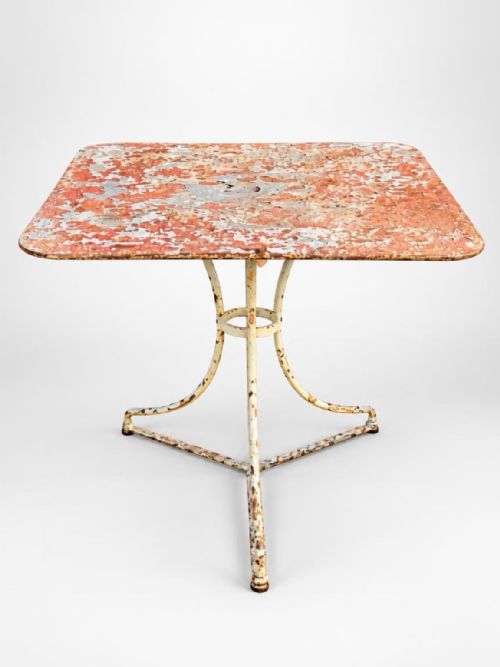
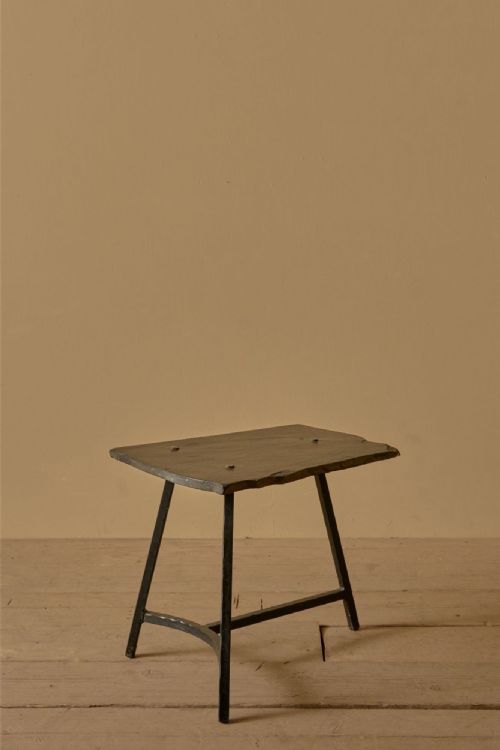
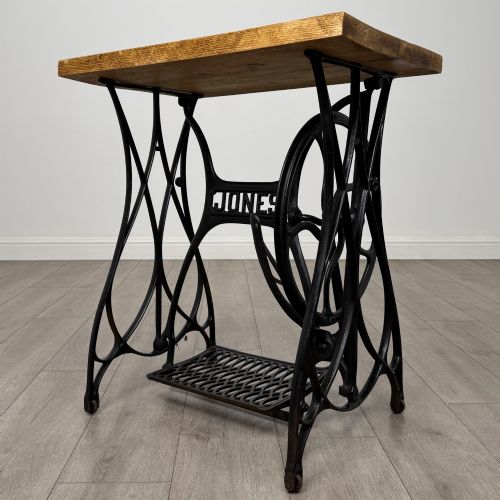
When searching for antique industrial furniture, buyers encounter utilitarian pieces built for trade, transport, and manufacture during the Victorian era and the early twentieth century. These items include French baker's racks, carpenter's workbenches, post office sorting tables, and cast-iron pub tables.
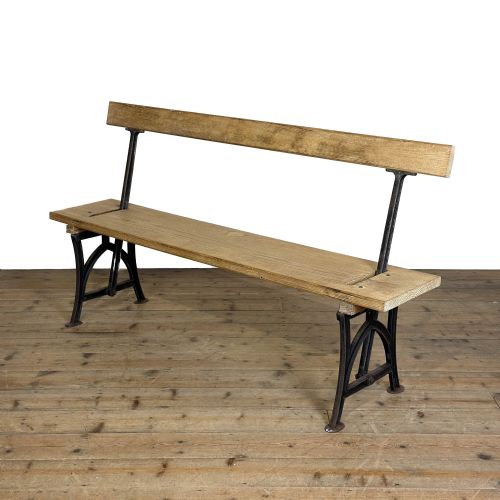
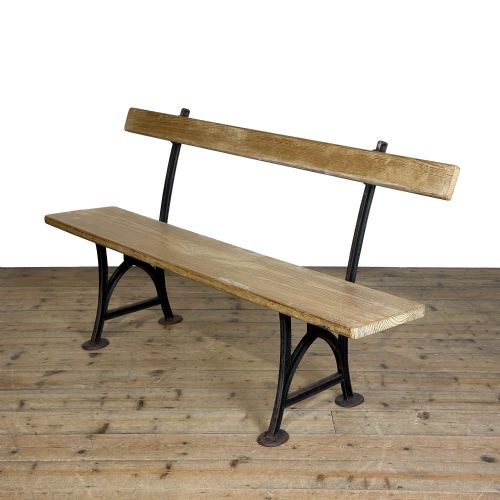
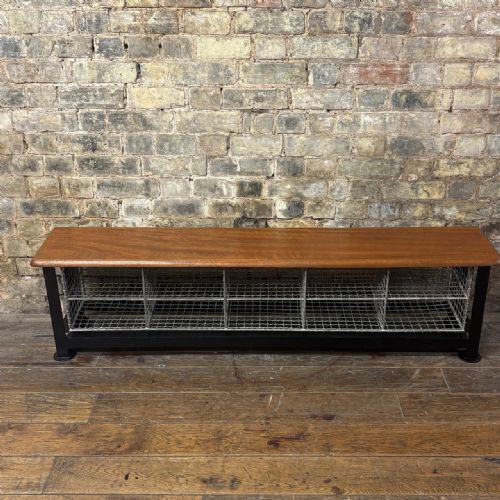
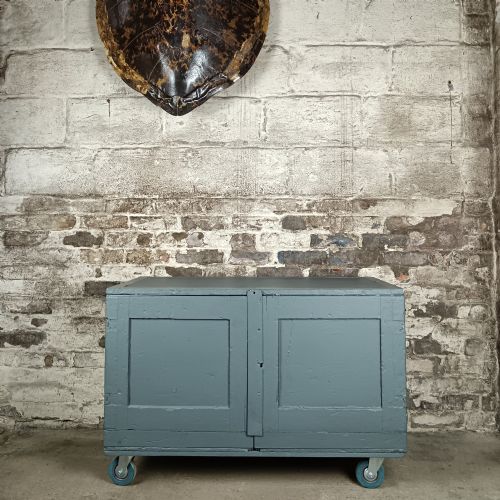
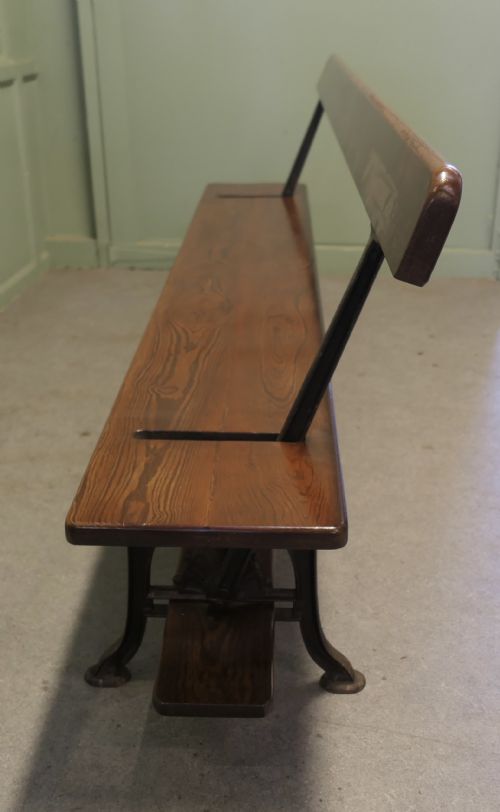
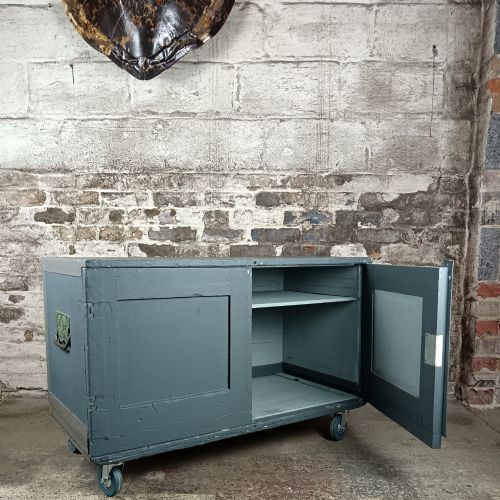
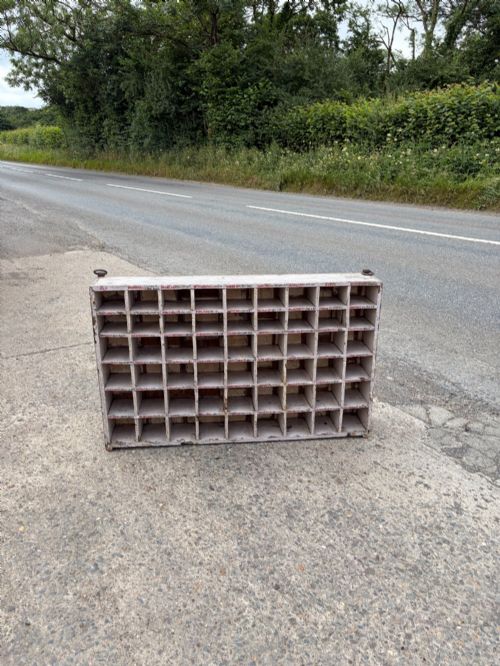
The selections on this page are dominated by functional workshop and commercial survivals originating from Britain and France. Pieces range from large pine and oak workbenches fitted with vises to modular pigeon holes, engineers' cabinets, and railway station benches.
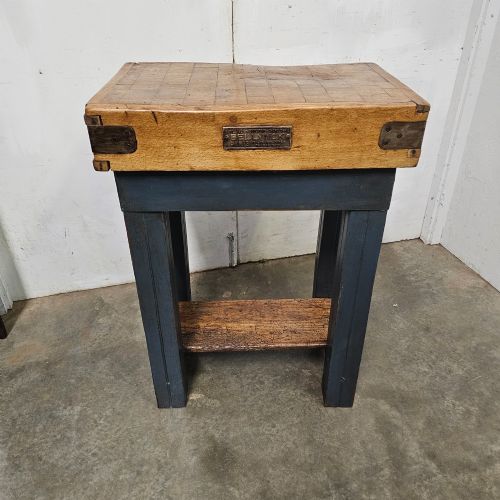
Many objects retain traces of their original working lives, such as paint remnants, stamped maker marks, and heavy institutional bases. Buyers select these forms for their solid construction and honest integration of metal and timber.
Materials and Construction Methods
Makers constructed these pieces using dense hardwoods like oak, mahogany, and pine paired with robust metals including cast iron, wrought iron, steel, and bronze. Heavy cast-iron bases and scrollwork frames provided the stable foundations necessary for workshop machinery and busy commercial environments.
Joinery and metalworking techniques prioritized durability over decoration, utilising sturdy clamping bars, integrated vises, and bolted iron braces. Surfaces often display the functional marks of daily trade, alongside original paint finishes and heavy wooden tabletops.
Antique Industrial Furniture Retail Price Guide 2026
Typical asking prices for industrial furniture among the pieces listed under this phrase on Sellingantiques today, from the lower quarter to the upper quarter. They describe what is for sale here now, not the wider market.
A railway station bench bearing a station name stamp invites commuters to wait for a train that left the platform over a century ago.
Evaluating Quality and Authenticity
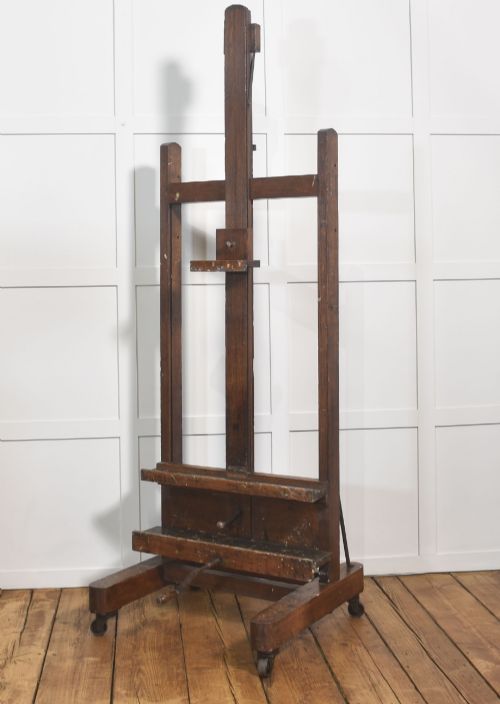
Quality in these pieces depends on the integrity of the original construction and the preservation of working mechanisms, such as fully adjustable easel screws or functional bench vises. Original components, including cast-iron bases paired with their matching timber tops, distinguish superior examples from assembled pieces.
The presence of maker stamps, factory badges, and authentic surface patination, such as genuine paint remnants and weathered pine or oak, indicates a higher standard of historical survival.
Dubois of Lyon·Trussant & Cie·Amberg
The Antique Industrial Furniture Glossary
- Baker's Rack
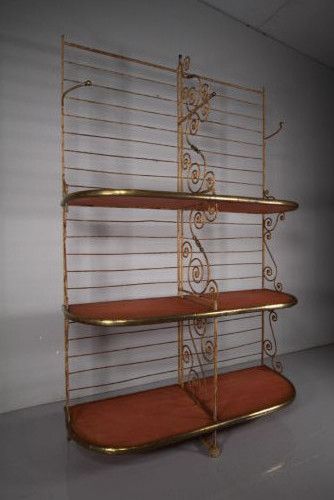
- A tall metal or iron framework with multiple shelves designed for cooling baked goods in commercial patisseries. These units often feature elaborate wrought iron scrollwork.
- Britannia Table
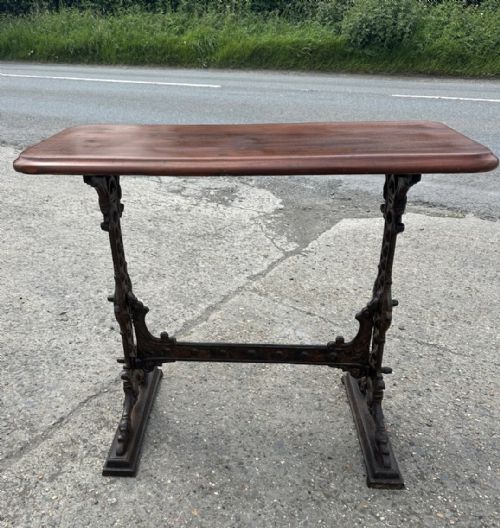
- A pub or tavern table supported by a heavy cast-iron pedestal base featuring the figure of Britannia. This design provided stability in bustling nineteenth-century drinking establishments.
- Campaign Chest
- A sectional wooden transport packing case fitted with brass corners and flush handles designed for military travel. These pieces split into modular sections for ease of movement.
- Pigeon Holes
- Compartmentalized shelving units used for sorting post, documents, or office correspondence. They appear frequently in early twentieth-century administrative settings.
- Workbench
- A heavy timber table equipped with working appurtenances such as clamping bars, vises, and tool wells. Craftsmen utilised these surfaces for woodworking, metalworking, and trade tasks.
Antique Industrial Furniture: Frequently Asked Questions
What is antique industrial furniture?
Antique industrial furniture encompasses utilitarian objects built for factories, shops, railways, and workshops during the nineteenth and early twentieth centuries. These items include workbenches, baker's racks, filing cabinets, and cast-iron tables.
Built for heavy commercial use, these pieces rely on durable materials like cast iron, oak, pine, and steel. Today, they serve practical roles in domestic and commercial interiors for their robust construction.
Where were workbenches used?
Workbenches were utilised by craftsmen, carpenters, and artisans in French, English, and Scandinavian workshops. They are characterised by thick timber tops, integrated vises, and clamping bars designed to hold wood steady during hand-tool work.
Many surviving examples retain the surface wear, ink stains, and tool marks accumulated from decades of manual trade.
What are Britannia tables?
Britannia tables are nineteenth-century pub and tavern tables featuring a distinctive heavy cast-iron pedestal base moulded in the shape of Britannia. They were paired with timber tops, such as mahogany or pine, to withstand the rigorous daily demands of public houses.
The sturdy iron bases prevented tipping in busy drinking establishments and remain a defining feature of Victorian pub furniture.