

Antique Indoor Jardiniere
An antique indoor jardiniere holds potted plants inside the home, combining decorative craftsmanship with practical vessel design for period interiors.
Antique Indoor Jardiniere
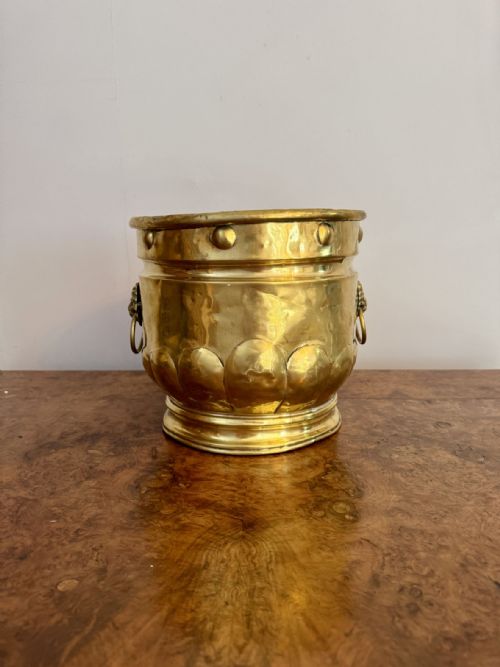
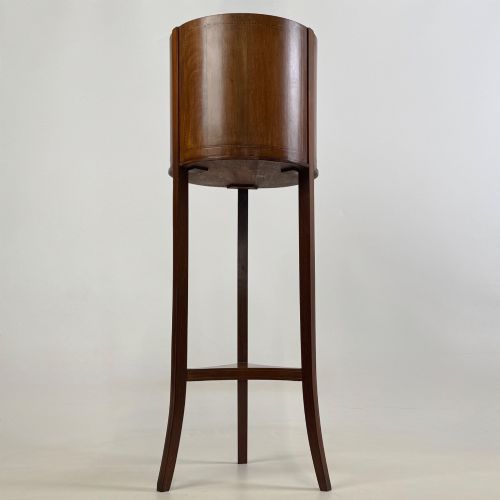
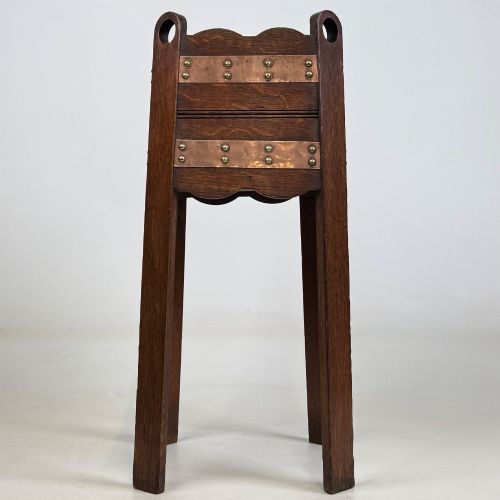
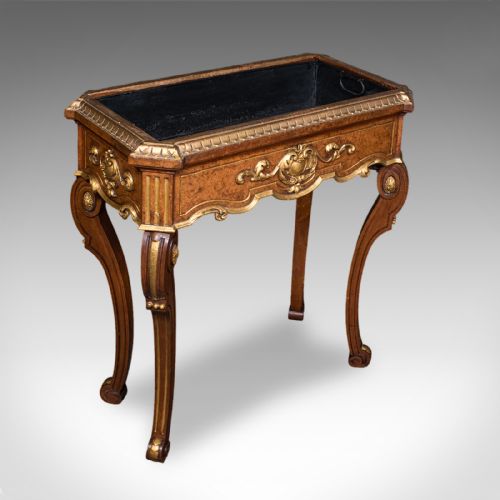
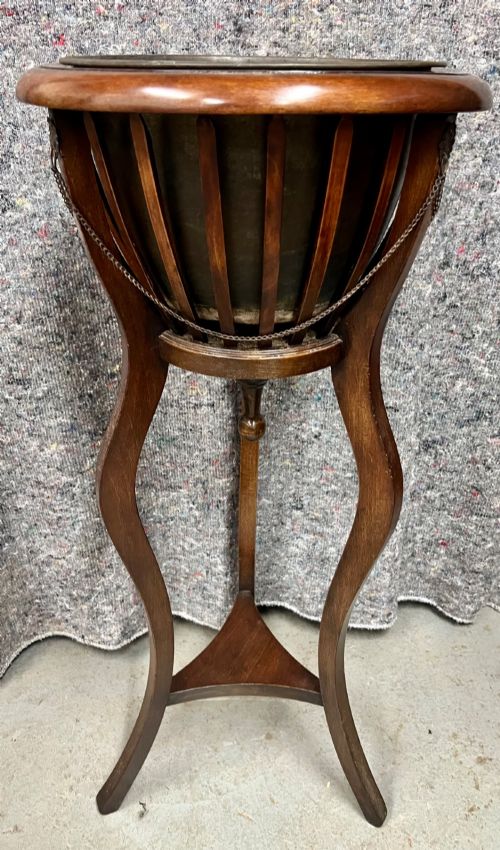
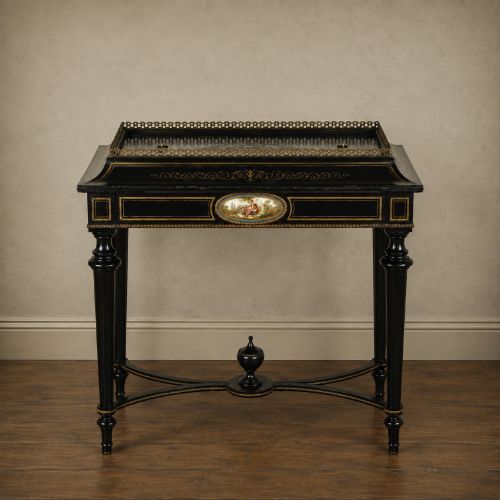
An antique indoor jardiniere takes the form of a decorative plant holder, cachepot, or standing planter designed to display greenery within nineteenth and early twentieth-century domestic spaces. Buyers encountering these pieces will find both table-standing vessels and tall plant stands constructed from diverse timber and metal formats.
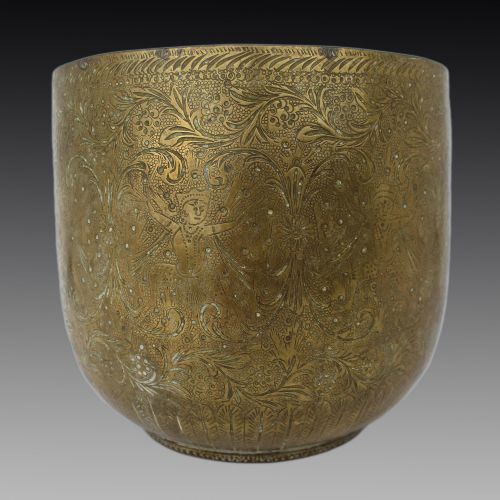
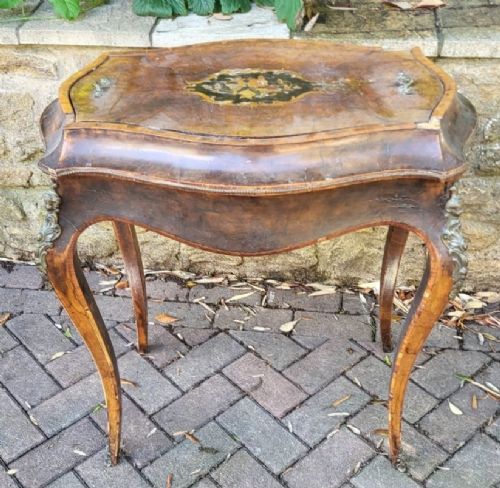
The selections span Victorian, Edwardian, and Arts & Crafts periods, alongside continental influences such as French Louis XV style and Anglo-Indian brassware. Common configurations include straightforward cylindrical planters, lidded vessels, and dedicated jardiniere tables fitted for botanical display.
Materials and Techniques
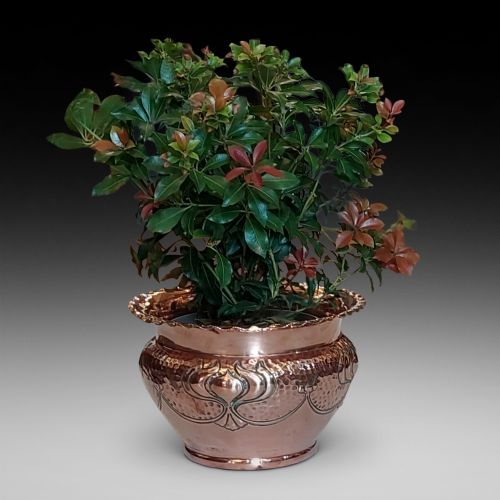
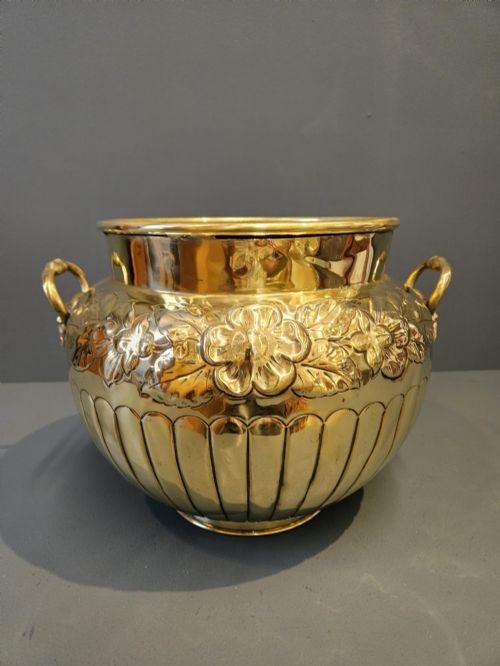
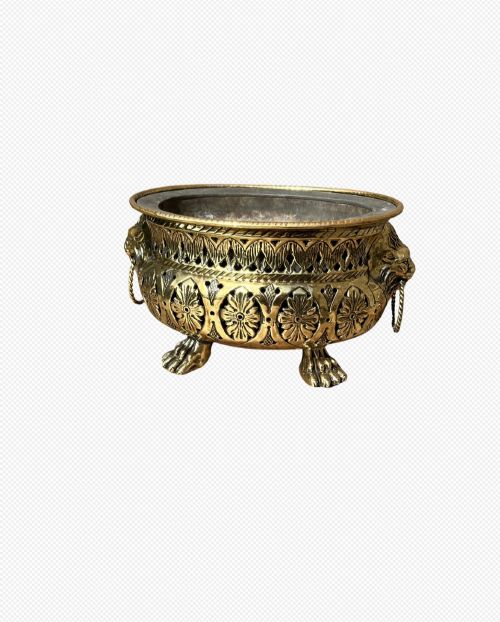
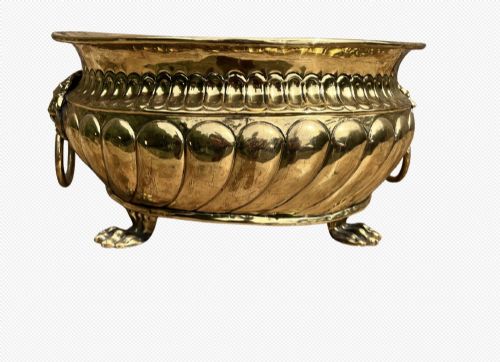
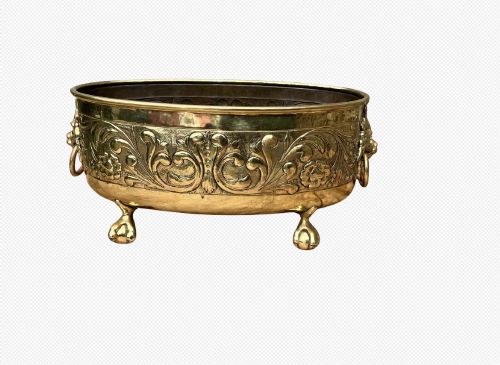
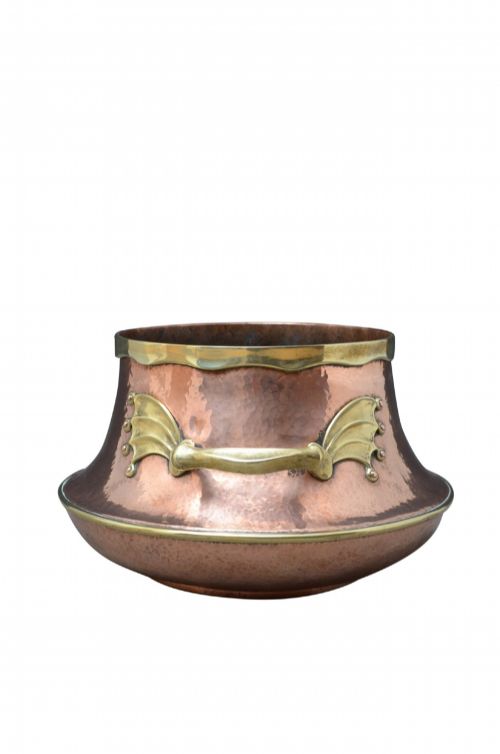
Metalworking techniques define many examples through hand-hammered copper, pierced and engraved brass, and cast ormolu mounts applied to wooden frames. Artisans shaped these metallic components to create durable vessels capable of containing moisture and soil.
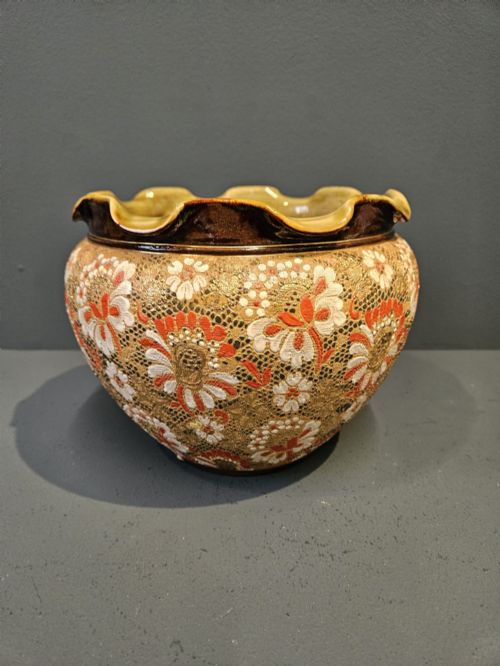
Woodworking traditions utilise mahogany, walnut, satinwood, and box tree timbers, often enhanced with marquetry, inlay, ebonisation, or carved detailing. Ceramic alternatives incorporate stoneware, majolica glaze, jasper ware, and painted porcelain plaques produced by established potteries.
Listings feature various timbers including mahogany, walnut, satinwood, and box tree, alongside brass, copper, and ceramic components.
Assessing Craftsmanship
Quality differentiates by the depth and precision of hand-engraving on brass surfaces, the weight of cast ormolu mounts, and the complexity of timber veneers such as burr walnut and marquetry. Superior examples exhibit refined joinery and integrated metal liners designed to protect the surrounding woodwork.
The distinction between standard utility items and finer decorative pieces rests in artistic styling, such as Art Nouveau floral motifs, distinct Arts & Crafts hand-hammering, or the inclusion of hand-painted porcelain plaques from recognised ceramic houses.
William Adams And Sons·Doulton Lambeth·Royal Doulton·Enoch Wood And Sons
The Antique Indoor Jardiniere Glossary
- Jardiniere
- An ornamental pot or stand designed to hold indoor plants. The term derives from the French word for gardener.
- Cachepot
- A decorative pot used to conceal an ordinary flowerpot. These vessels typically lack drainage holes at the base.
- Ormolu
- Gilded bronze or brass mounts applied to furniture and decorative objects. This technique gained prominence in French furniture and decorative arts.
- Majolica
- Tin-glazed earthenware featuring colourful opaque glazes. Victorian makers utilised this technique for vibrant botanical vessels.
- Marquetry
- Decorative veneer work forming pictorial or geometric patterns using various coloured woods. Craftsmen applied this technique to tabletop planters and stands.
Antique Indoor Jardiniere: Frequently Asked Questions
How do I use an antique jardiniere today?
These vessels function effectively to house potted houseplants, ferns, or floral arrangements within living spaces. Placing a modern plastic liner inside older metal or wooden planters protects the historic interior from moisture damage.
Alternatively, larger standing models serve as standalone decorative accents in hallways or reception rooms without holding plants. Their varied heights and materials allow them to integrate easily beside period or contemporary furniture.
What is the difference between a jardiniere and a cachepot?
A jardiniere generally describes any large decorative vessel intended to hold plants, including those elevated on legs or stands. The term encompasses both floor-standing plant holders and table pieces.
A cachepot specifically denotes a pot meant to hide a plain inner flowerpot, functioning without direct planting. Both forms appear frequently across nineteenth-century decorative arts.
How do I distinguish Victorian from Edwardian pieces?
Victorian examples often employ heavier woods like burr walnut and mahogany, frequently enhanced with rich marquetry, elaborate ormolu mounts, or pierced brass work. The aesthetic tends toward ornate detail and formal symmetry.
Edwardian pieces frequently reflect cleaner lines, lighter satinwood timbers, and distinctive Art Nouveau organic motifs or Arts & Crafts hammered copper finishes. This transition mirrors broader shifts in domestic interior design preferences.
Were these pieces meant for indoor use?
Yes, indoor jardinieres were specifically manufactured for domestic interior display during the nineteenth and early twentieth centuries. Conservatory and drawing-room culture placed high value on bringing exotic foliage inside the home.
Consequently, the delicate veneers, fabrications, and interior liners of these vessels suit controlled indoor environments rather than exterior garden exposure.