

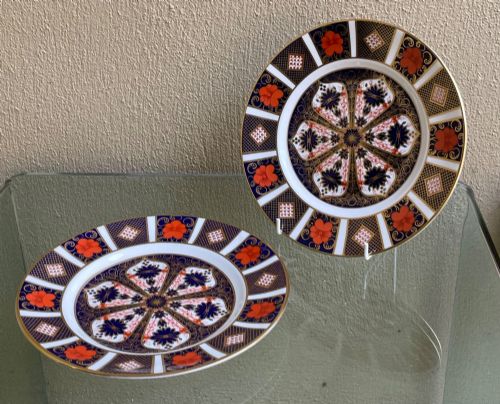
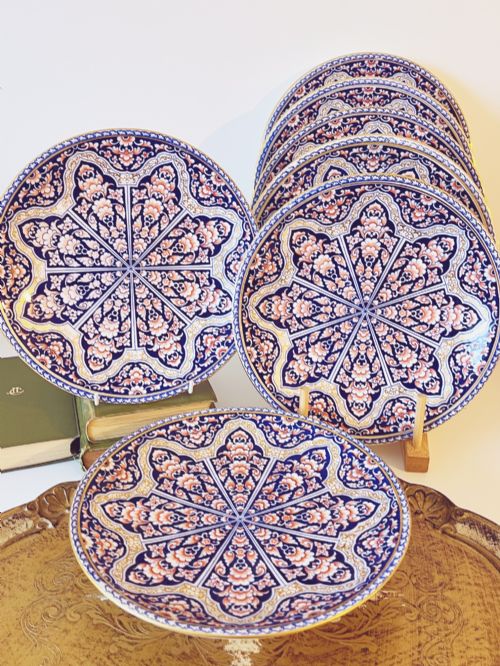


Antique Imari Tableware
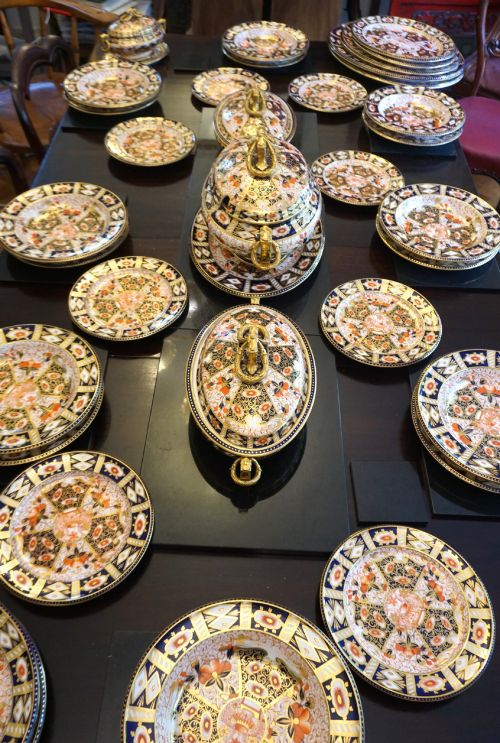
Antique imari tableware brings together bold Japanese designs and traditional British ceramic forms to brighten any dining room table.
Antique Imari Tableware
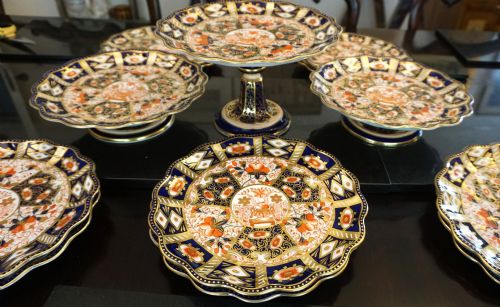
When you search for antique imari tableware, you encounter a striking mix of decorative plates, tureens, sauceboats, and complete dinner services. These pieces span the eighteenth century through to the mid twentieth century, drawing on Japanese imari aesthetics and Georgian, Regency, and Victorian manufacturing traditions.
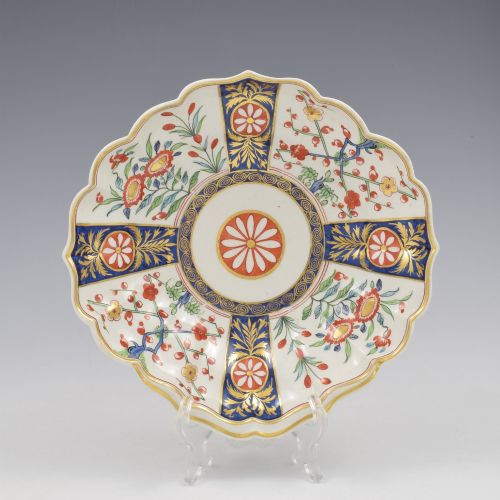
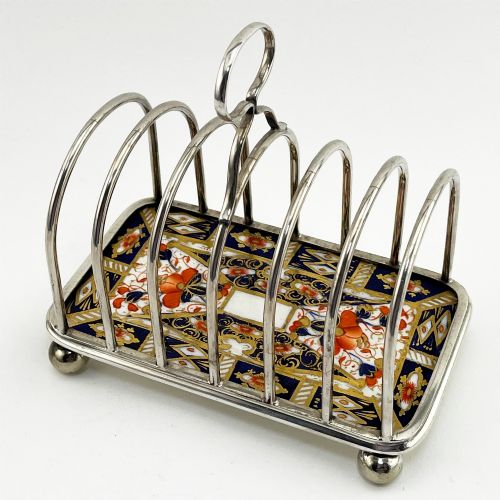
The versions you are most likely to meet on this page include nineteenth century ironstone pieces, Regency porcelain items, and Japanese imports. Makers applied vibrant enamel palettes and gold leaf accents to ceramic and porcelain bodies, creating functional vessels that double as display items.
How they were made
Potters utilised durable ironstone, bone china, and porcelain bodies to form plates, tureens, and serving dishes. These ceramic bases provided a sturdy foundation capable of withstanding daily domestic use while holding detailed moulded shapes.
Craftsmen applied rich glaze layers alongside hand-painted enamel and gold leaf detailing. Kiln firing fixed the distinctive cobalt blue and iron red ironstone colours permanently into the surface.
Antique Imari Tableware Retail Price Guide 2026
Typical asking prices for imari tableware among the pieces listed under this phrase on Sellingantiques today, from the lower quarter to the upper quarter. They describe what is for sale here now, not the wider market.
What varies in quality
Quality rests in the crispness of the painted enamel decoration and the precision of the gilding applied over the glaze. Superior examples maintain sharp pattern lines and vibrant iron red and gold tones without rubbing or fading.
The elegance of the moulding and the weight of the ironstone or porcelain dictate the grade of the service. Finely potted sauceboats, tureens, and plates demonstrate superior throwing and casting techniques from established factories.
Royal Crown Derby·Wedgwood·Ridgways China·Minton Porcelain·Flight Barr And Barr·Chamberlain Worcester·Masons Patent Ironstone
The Antique Imari Tableware Glossary
- Imari style
- A decorative scheme originating in Japan, characterised by a palette of cobalt blue, iron red, and gilt highlights. British potteries eagerly adopted this aesthetic during the Georgian and Victorian periods.
- Ironstone
- A heavy, durable type of ceramic patented in the nineteenth century to rival true porcelain. It resists chipping well and forms the body of many utilitarian dinner services.
- Tureen
- A deep covered vessel used for serving soup, sauce, or vegetables at the table. These often come with matching ladles and undertrays.
- Comport
- A raised dish or bowl used for serving dessert or fruit at the centre of the table. They sit upon a pedestal base.
- Gilt
- A thin layer of gold leaf applied to ceramic handles, rims, and borders to add ornamentation. It reflects light and frames the painted designs.
Antique Imari Tableware: Frequently Asked Questions
What is imari tableware?
Antique imari tableware consists of plates, tureens, and dessert services decorated in the traditional Japanese palette of iron red, cobalt blue, and gold. British and Japanese potteries produced these items for dining and display.
Collectors prize them for their vibrant colours and rich history spanning the eighteenth to the twentieth centuries.
How do I date an imari piece?
Dating relies on maker marks, ceramic bodies such as ironstone or bone china, and stylistic clues from the Regency and Victorian eras. Factory stamps and registration dates often appear on the underside.
Comparing the painting style to known patterns helps narrow down the decade of production.
Can I use antique imari daily?
Most pieces survive from the nineteenth century or earlier, making them delicate despite the sturdy nature of ironstone. Hand washing preserves the enamel and gold leaf decorations.
Many owners choose to use robust plates and tureens occasionally while displaying fragile porcelain items.
What is ironstone pottery?
Ironstone is a dense, vitrified ceramic developed in the nineteenth century as a tough alternative to porcelain. It provides a heavy and durable base for large dinner services and soup tureens.
Factories like Mason utilised this material extensively for heavily patterned tableware.