



Antique Imari Bottle
These antique imari bottle pieces bring together rich Japanese and British porcelain traditions in forms designed for display and practical use.
Antique Imari Bottle
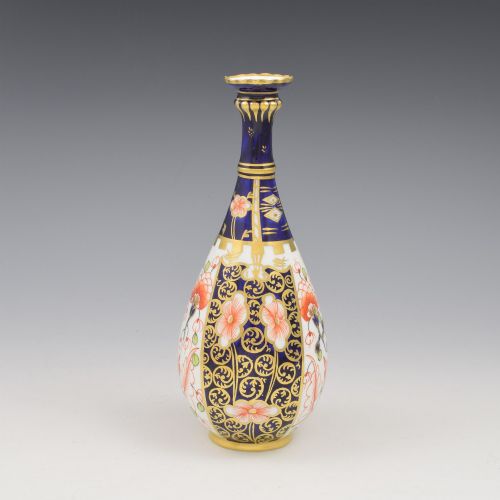
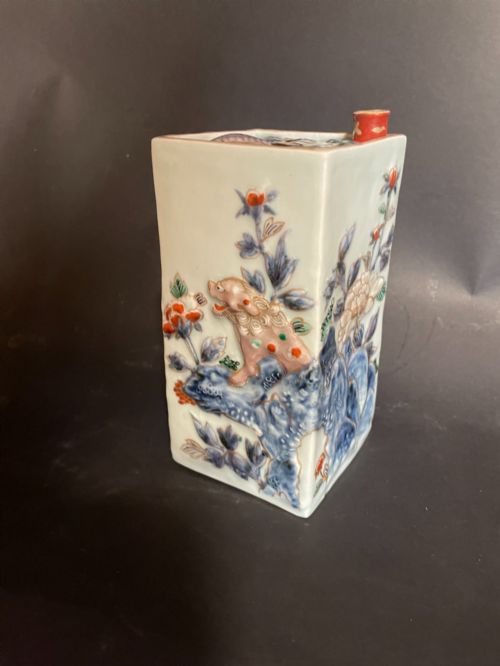
An antique imari bottle combines traditional Japanese techniques with later European interpretations, offering striking visual depth to any collection. When you search for an antique imari bottle, you encounter forms ranging from early Arita wine vessels to Victorian Derby porcelain bud vases and Meiji period slender neck shapes. Japanese examples include wine flasks and shaped vessels, while British pieces adopt patterns like the Imari Witches design on porcelain stems.
The selection bridges 17th-century craftsmanship and 19th-century production, notably spanning the Meiji period and Victorian eras. Buyers find single items, pairs, and larger garnitures alongside collections of smaller shaped vases. This variety reflects both export trade evolution and domestic British porcelain manufacture inspired by Eastern aesthetics.
How they were made
Porcelain forms the essential foundation for these objects, shaped either by Japanese potters in the Arita tradition or by British factories such as those in Derby. Artisans applied cobalt glaze beneath the surface before adding enamel overglaze details to create the signature palette. Many pieces integrate gold leaf highlights to accent the intricate patterns and painted surfaces.
Techniques varied across regions and centuries, from the thrown wine bottles of the 17th century to the moulded porcelain stem vases produced during the Victorian period. Firing methods achieved the dense ceramic bodies characteristic of export wares and domestic adaptations alike.
Antique Imari Bottle Retail Price Guide 2026
Typical asking prices for imari bottle among the pieces listed under this phrase on Sellingantiques today, from the lower quarter to the upper quarter. They describe what is for sale here now, not the wider market.
Listings feature porcelain pieces spanning the 17th century, Meiji period, and Victorian era, incorporating cobalt glaze, enamel, and gold leaf.
What varies in quality
Quality in these pieces rests upon the precision of the hand-painted decoration and the crispness of the porcelain form. Superior examples display carefully controlled cobalt glaze work balanced with meticulously applied enamel and gold leaf, showing distinct artistry rather than hurried execution.
The distinction between standard production and exceptional work lies in the harmony of the design across the vessel's contours. Finer specimens maintain sharp definition in their motifs, whether executed during the Meiji period or within 19th-century British workshops.
The Antique Imari Bottle Glossary
- Imari
- A style of Japanese porcelain originating from Arita and exported through the port of Imari, traditionally characterised by a palette of cobalt blue, iron red, and gold. This aesthetic heavily influenced European potteries during the 19th century.
- Tokuri
- A traditional Japanese bottle shape typically utilised for serving sake. These vessels often feature a rounded body and a narrow neck.
- Arita
- The Japanese town central to the production of early porcelain wares in the Hizen province. Artisans here established the foundational techniques for Japanese export ceramics.
- Meiji Period
- The era in Japanese history spanning from 1868 to 1912, noted for significant production of decorative arts for Western export. Pieces from this time often exhibit refined technical execution.
- Garniture
- A set of three or more matching vases or decorative vessels designed to be displayed together on a mantelpiece or cabinet. These matched sets demonstrate coordinated design and craftsmanship.
Antique Imari Bottle: Frequently Asked Questions
What is an antique imari bottle?
An antique imari bottle is a ceramic vessel decorated in the distinctive Japanese export style utilising cobalt blue, iron red, and often gold leaf. The listings include examples ranging from early Japanese wine flasks to Victorian British porcelain interpretations.
These pieces served functional and decorative roles, acting as storage containers or display items in both Asian and European interiors.
How do Japanese and British imari differ?
Japanese examples originate from production centres like Arita and date from the 17th century onwards, focusing on traditional forms like wine bottles and tokuri. British versions, such as those from Derby, adapt the decorative palette onto domestic porcelain bodies during the 19th century.
Both traditions employ the signature cobalt glaze and enamel work, but the underlying clay bodies and vessel shapes reflect their respective manufacturing origins.
What periods do these pieces span?
The available selection spans from the 17th century through the Meiji period and into the 19th-century Victorian era. This broad timeframe encompasses early Japanese export wares and later European revivals.
Each period brings distinct manufacturing techniques and stylistic interpretations to the porcelain vessels.
How were these bottles used originally?
Many early forms, such as Japanese tokuri and Arita wine bottles, functioned as practical vessels for serving liquids. Over time, particularly during the 19th century, similar forms transitioned primarily into decorative cabinet pieces and display vases.
Owners prized them for their vibrant enamel colours and integration of gold leaf.