





Antique Ilgich
These antique ilgich pieces are Central Asian tribal textiles worked with embroidery, bringing bold nomadic character and rich colour to interior spaces.
Antique Ilgich
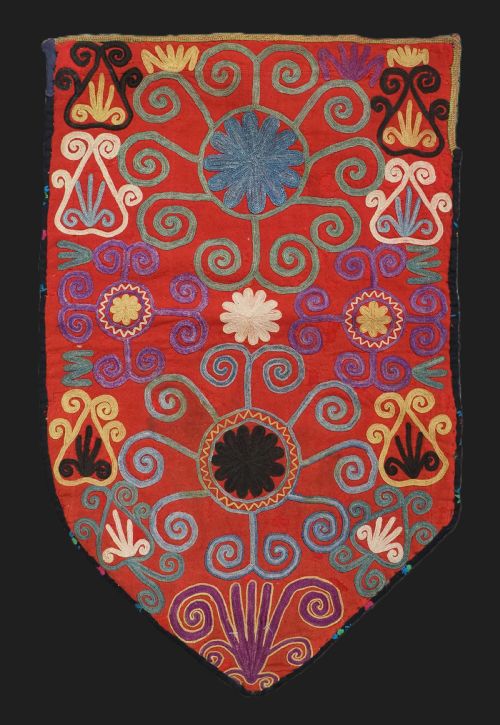
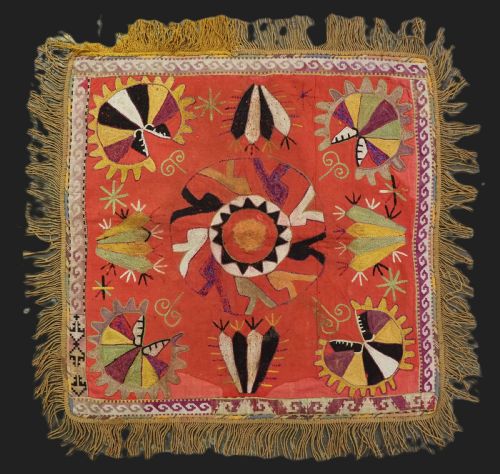
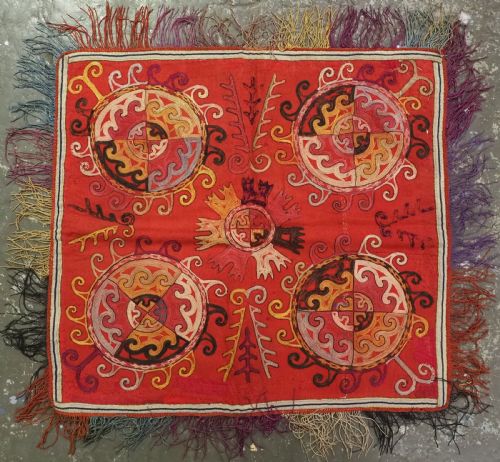
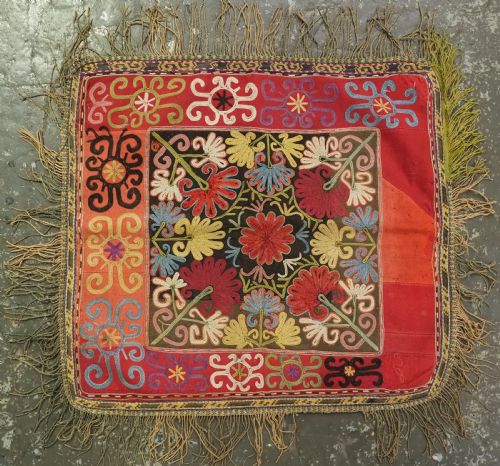
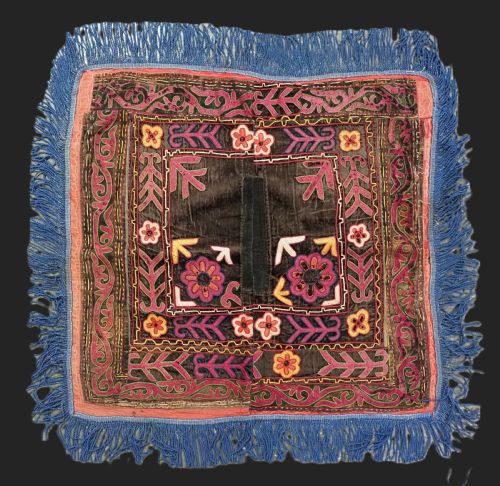
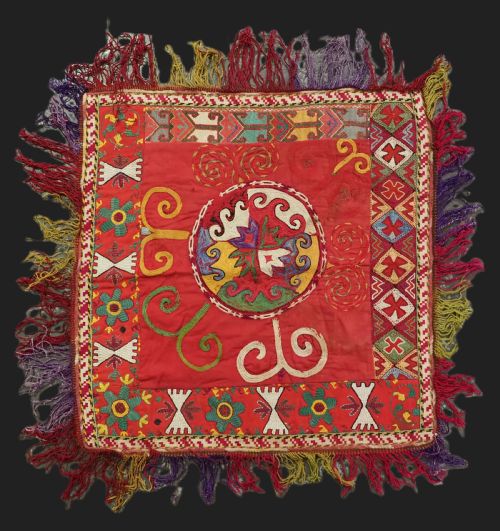
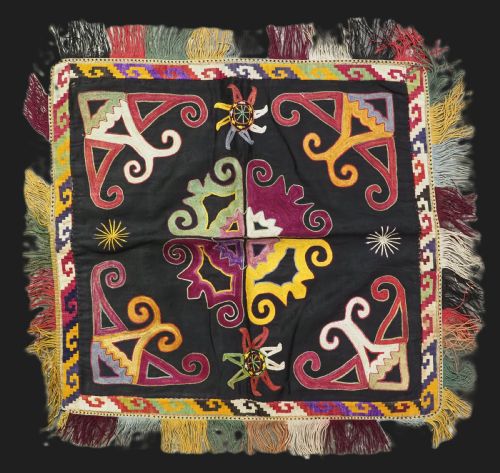
When you search for an antique ilgich, you find Central Asian tribal and nomad textiles originating from Uzbekistan, specifically connected to the Lakai Uzbek tribes and Shakrisabz. These pieces take the form of dowry embroidery, wall hangings, and uut kap bag faces.
The version you are most likely to meet on this page is a dowry embroidery or uut kap ilgich dating from the late nineteenth century up to around nineteen hundred. They serve primarily as decorative textiles and wall hangings, displaying distinct tribal patterns worked by nomadic makers.
Materials and construction
Makers constructed these textiles using combinations of silk, cotton, wool, and velvet, often featuring silk embroidery stitched onto a wool ground such as Mogul red wool.
The construction relies on needlework traditions passed down within Central Asian nomad communities, producing double faced examples alongside standard wall hanging formats.
Antique Ilgich Retail Price Guide 2026
Typical asking prices for ilgich among the pieces listed under this phrase on Sellingantiques today, from the lower quarter to the upper quarter. They describe what is for sale here now, not the wider market.
Listings span the late nineteenth century and the year nineteen hundred, featuring silk, cotton, wool, and velvet materials.
Factors in quality
Quality rests upon the fineness of the silk embroidery work and the density of the stitches across the cotton, wool, or velvet ground.
The visual strength of the Central Asian tribal design and the preservation of the original Mogul red wool or silk materials determine the distinction of individual pieces.
The Antique Ilgich Glossary
- Ilgich
- A Central Asian embroidered textile, often associated with the Lakai Uzbek tribes and used as a wall hanging or dowry piece.
- Uut kap
- A nomadic bag or bag face, frequently encountered in the form of an ilgich originating from Uzbekistan.
- Lakai
- A Central Asian tribe known for distinct tribal embroidery styles and dynamic geometric textile art.
- Torba
- A small tent bag or hanging piece produced by nomadic groups in Central Asia.
- Dowry embroidery
- Textile work created by makers as part of a bride's traditional wedding property.
Antique Ilgich: Frequently Asked Questions
What is an antique ilgich?
An antique ilgich is a piece of Central Asian textile art, specifically embroidery created by nomadic and tribal groups like the Lakai Uzbeks.
These pieces functioned as dowry items, wall hangings, or bag faces such as uut kap variants.
How were ilgich textiles used?
Makers produced these textiles for domestic display and ceremonial use within nomadic households in regions including Shakrisabz and wider Uzbekistan.
Today they survive primarily as decorative wall hangings that showcase traditional Central Asian needlework.
Which periods do these pieces date from?
The pieces seen here date from the late nineteenth century up to around nineteen hundred, spanning decades of nomadic craftsmanship.
Dates are attributed based on stylistic evidence and traditional materials like silk and red wool.
What materials are found in ilgich pieces?
Surviving examples combine silk embroidery threads with grounds made of cotton, wool, velvet, or Mogul red wool.
Double faced constructions and varied fabric combinations reflect the practical and artistic choices of Central Asian makers.