





Antique Icon Panels
Antique icon panels are sacred painted works that bring centuries of devotional art and traditional craftsmanship into domestic interiors.
Antique Icon Panels
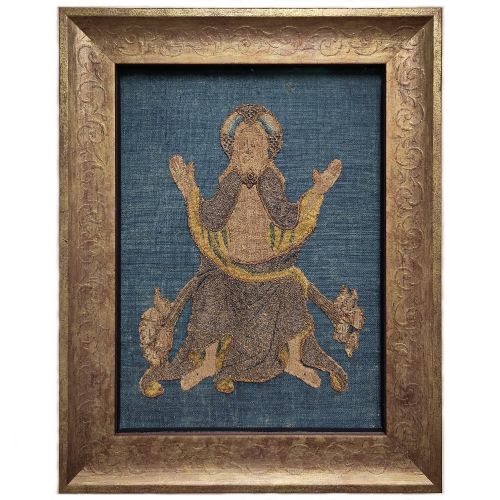
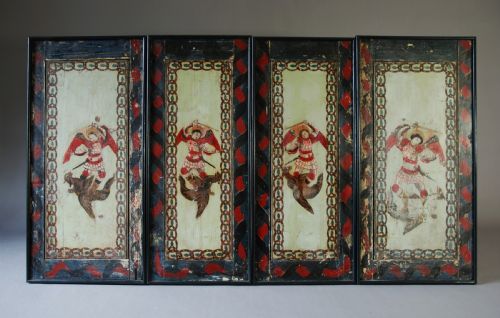
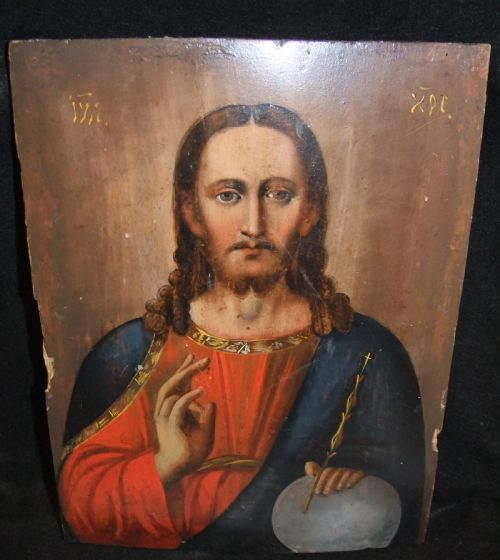
Antique icon panels comprise sacred religious artworks primarily originating from the Russian Orthodox tradition, alongside select Western European pieces. These devotional items take the form of wall art, framed saints, and panel paintings depicting figures such as St Michael, St George, and Christ Pantocrator.
Buyers are most likely to encounter 19th-century examples on this page, often painted on wood or canvas panels. The selection spans from naively painted folk art pieces to structured Orthodox representations created by known regional workshops.
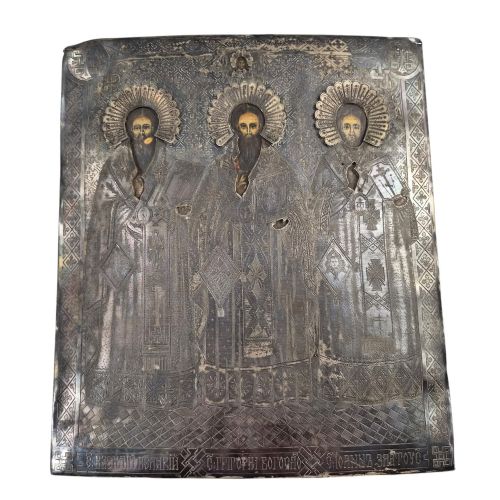
Earlier examples from the 17th and 18th centuries appear less frequently but offer deeper historical resonance. These earlier panels frequently incorporate detailed metalwork elements such as silver and gilt oklads or rizas.
How they were made
Makers built these panels using solid timber substrates, predominantly pine or other seasoned woods, prepared to receive layers of gesso and paint. Artisans applied pigments mixed with egg tempera, standard tempera, or oil paints to render the sacred subjects with lasting durability.
Gilding played a central role in the construction, utilising gold leaf and silver to illuminate the backgrounds and halos of the holy figures. Metal embellishments such as brass and silver formed protective and decorative coverings known as oklads or rizas over the painted surfaces.
Antique Icon Panels Retail Price Guide 2026
Typical asking prices for icon panels among the pieces listed under this phrase on Sellingantiques today, from the lower quarter to the upper quarter. They describe what is for sale here now, not the wider market.
Listings feature works spanning from the 17th century through the early 20th century, executed in tempera, oil, and gold leaf on wood and canvas.
What varies in quality
Heinrich Grünbaum·Volga Masters
The Antique Icon Panels Glossary
- Icon
- A sacred image representing Christ, the Virgin Mary, or saints, traditionally used for prayer in Orthodox Christian worship. These devotional paintings follow strict canonical rules regarding composition and colour.
- Riza
- A metal cover or revetment placed over an icon to protect the painted surface while leaving the holy faces and hands visible. Also known as an oklad, it is often fashioned from silver, brass, or gilt metal.
- Tempera
- A permanent, fast-drying painting medium consisting of coloured pigments mixed with a water-soluble binder such as egg yolk. This technique creates a matte finish that preserves its brilliance over centuries.
- Gilt
- A thin layer of gold applied to the surface of the wood panel or canvas to denote divine light. Gold leaf enhances the spiritual atmosphere of the devotional scene.
- Pantocrator
- An iconic depiction of Christ as ruler of all, typically shown holding a book of gospels and raising his right hand in blessing. This specific form dominates central placement within Orthodox church and home altars.
Antique Icon Panels: Frequently Asked Questions
What are antique icon panels?
Antique icon panels are traditional religious artworks painted on wood or canvas substrates, primarily depicting saints and sacred narratives from the Orthodox Christian tradition.
These pieces served as focal points for private prayer and communal worship, functioning as sacred windows into the spiritual realm for believers.
How should I hang icon panels?
Icon panels should be hung securely on interior walls away from direct sunlight, moisture sources, and sudden temperature fluctuations to protect the delicate wood and tempera.
Consider placing them at eye level in quiet spaces where the traditional craftsmanship and meditative qualities can be appreciated properly.
How do I tell centuries apart?
Distinguishing the age of an icon involves examining the wood preparation, the style of the pigment application, and the oxidation of the underlying metals. Earlier pieces often display distinct folk art naivety or classical baroque influences.
Later 19th-century works frequently feature stamped metal rizas and more mechanised preparation methods compared to their 17th-century predecessors.
Why do some icons have metal covers?
Metal covers, known as oklads or rizas, were added to protect the sacred tempera paint from candle soot, incense smoke, and the touch of worshippers.
These metal additions also demonstrated the devotion of the owner or donor, often incorporating elaborate repoussé work in silver and brass.