



Antique Hunting Crop
An antique hunting crop brings the tangible history of the English equestrian tradition directly into your interior.
Antique Hunting Crop
When you search for an antique hunting crop, you are examining a specialised equestrian accessory designed for horseback riding and field sports. The examples found here span the Victorian era, the Edwardian period, and the early twentieth century, reflecting the golden age of English country house pursuits.
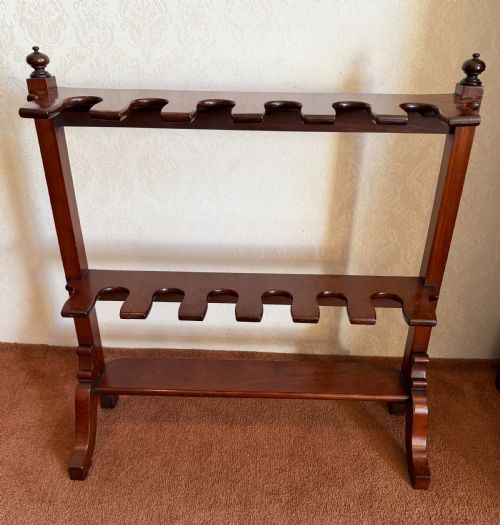
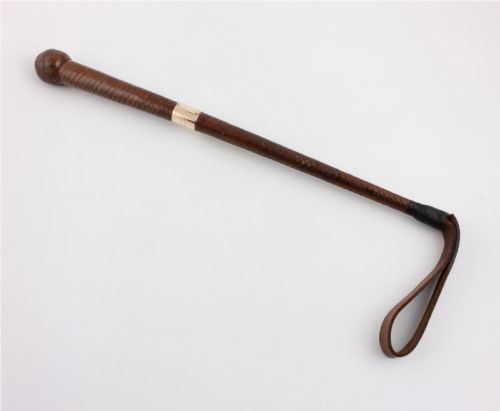
The forms on this page range from traditional leather and malacca riding crops fitted with silver collars to related equestrian gear such as mahogany whip stands, doorstops, and novelty silver cruet sets. Most pieces originate from English workshops and makers associated with high-grade sporting equipment.
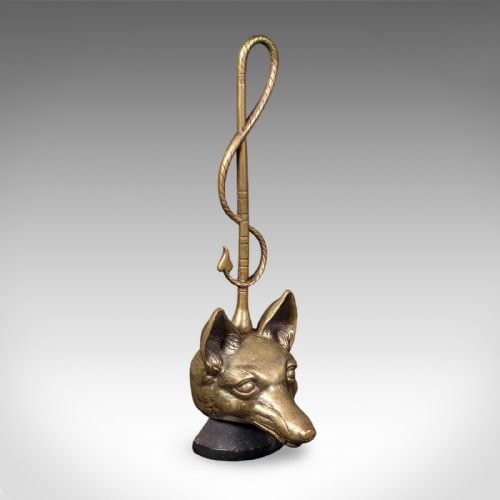
Buyers will encounter both practical riding crops and decorative items shaped by the hunt, including doorstops featuring fox heads and horse's head crop hooks in oak and brass. Each object carries the practical utility and aesthetic of nineteenth and early twentieth century equestrian life.
Materials and construction
These pieces rely on traditional English materials chosen for durability and tactile quality, combining supple leather, malacca cane, and dense hardwoods like mahogany and oak. Metal components typically involve cast brass, silver collars, and occasionally 12ct gold mounts.
Craftsmen utilised specialised leather-working and metal-mounting techniques to ensure the whips and crops could withstand active field use. Silver and gold elements were frequently engraved to record provenance, such as past owners or specific historical dates.
One unexpected piece of evidence includes a novelty silver plate cruet set designed around the theme of the hunt.
Assessing quality in equestrian pieces
Quality in an antique hunting crop rests on the integrity of the materials, the suppleness of the surviving leather, and the weight of the metal collars. Pieces by established makers display finer hand-stitching and more robust mountings than standard utility equipment.
The presence of hallmarked silver or gold fittings alongside named provenance elevates the standing of a piece within the field. Furthermore, original associated furniture like mahogany tack room stands demonstrates superior joinery and period authenticity.
Swaine Adeney·Brigg
The Antique Hunting Crop Glossary
- Hunting crop
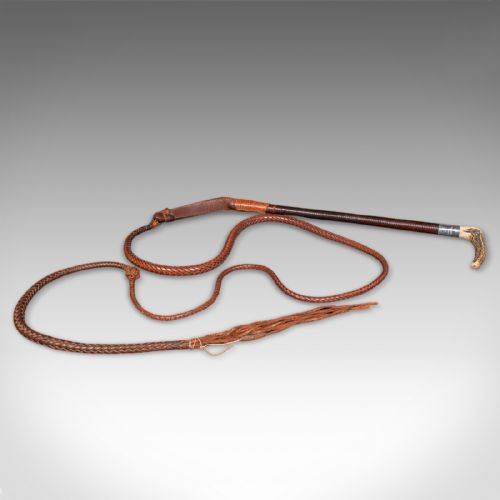
- A short riding whip traditionally used in fox hunting, typically featuring a leather-covered shaft, a silver or metal collar, and a loop or antler handle at the top.
- Malacca
- A sturdy rattan cane imported from Southeast Asia, prized for its flexibility and strength when used as the shaft for riding crops and walking sticks.
- Staghorn
- The material derived from deer antlers, often shaped to form the handle or grip of a hunting whip or riding crop.
- Tack room
- A dedicated space in a stable where saddles, bridles, and riding equipment are stored and maintained.
Antique Hunting Crop: Frequently Asked Questions
What is an antique hunting crop made of?
These items are constructed from traditional materials including English leather, malacca cane, and dense hardwoods such as mahogany and oak. They are frequently finished with silver collars, brass mountings, or occasional gold elements.
The handles often incorporate staghorn or feature cast brass animal forms like horse and fox heads. Every material was chosen for durability during equestrian pursuits in the field.
How were hunting crops used originally?
A hunting crop served riders both to manage the horse during the hunt and to perform practical tasks such as opening gates. The lash at the end could be used for signalling or guiding hounds.
Beyond field use, many pieces served decorative roles in country houses or were stored neatly in specialised mahogany tack room whip stands when not in active service.
How do I date an antique hunting crop?
Dating relies on examining the materials, construction methods, and any accompanying hallmarks on the silver or gold collars. Pieces from the Victorian period often display heavier ornamentation, while Edwardian examples show refined sporting elegance.
Engraved inscriptions detailing specific dates or owners, such as those from the early twentieth century, provide direct historical context for the piece.
How should I display a hunting crop at home?
These accessories suit traditional interiors, studies, or hallways, particularly when paired with related items like oak crop hooks or brass doorstops. They can be mounted horizontally on a wall or placed inside a dedicated whip stand.
Displaying them away from direct heat sources helps preserve the condition of the historic leather and polished wood components over time.