



Antique Hunter Horse Painting
An antique hunter horse painting captures the enduring spirit of the stable and the field, offering a direct window into nineteenth and early twentieth century equestrian life.
Antique Hunter Horse Painting
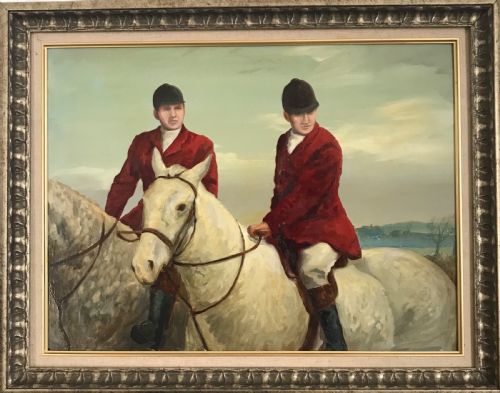
When you search for an antique hunter horse painting, you encounter works that celebrate prized equines, often shown within stable interiors or depicted alongside hounds and grooms. These pieces span the nineteenth and early twentieth centuries, reflecting a rich tradition of British sporting art that valued both animal conformation and individual character.
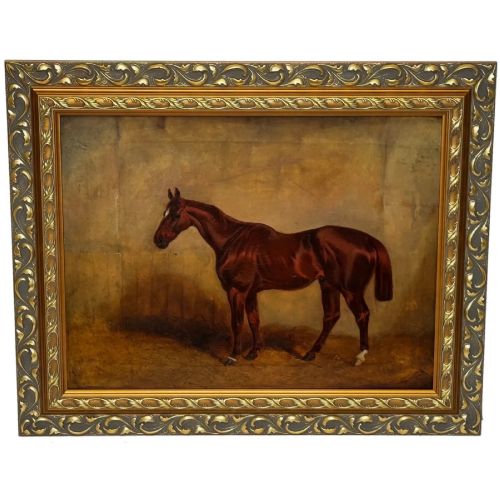
The version you are most likely to meet on this page is an oil painting on canvas, housed in a giltwood frame. These works frequently record specific bay or chestnut hunters from notable hunts, capturing the robust physique required for cross-country endurance.
What varies in quality
Quality rests primarily upon the anatomical accuracy of the horse and the ability of the artist to render light across muscle and coat. Superior works demonstrate a keen understanding of equine posture and proportion, moving beyond stiff formulaic representation to capture genuine presence.
The surrounding detail further distinguishes the piece, from the careful rendering of stable straw and tack to the intricate framing in original giltwood. Condition of the canvas and the preservation of the original surface layers also define the standing of the work.
Antique Hunter Horse Painting Retail Price Guide 2026
Typical asking prices for hunter horse painting among the pieces listed under this phrase on Sellingantiques today, from the lower quarter to the upper quarter. They describe what is for sale here now, not the wider market.
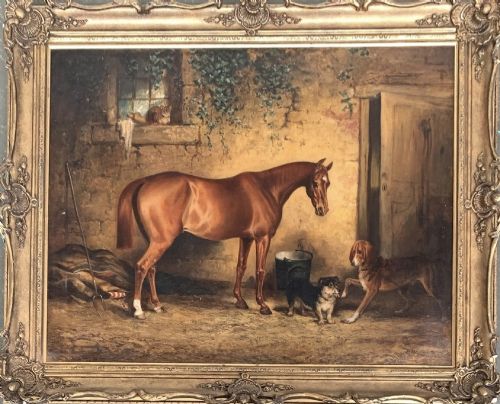
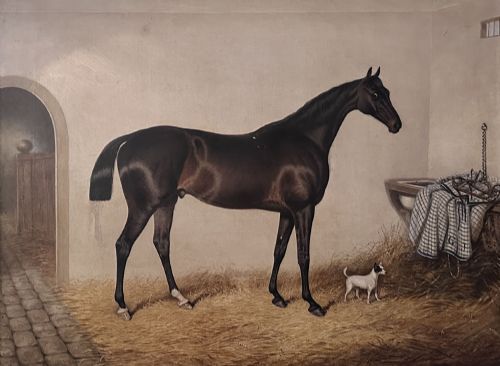
Depictions range from solitary bay hunters in stables to complex scenes featuring hounds, grooms, and terrier companions.
Henry Barraud·Benjamin Cam Norton·Alfred Moginie Bryant·Alfred Grenfell Haigh·Abraham Cooper RA·John Sanderson-Wells·Charles Bilger Spalding RA·Franz Bergman·James Barenger
The Antique Hunter Horse Painting Glossary
- Bay
- A horse coat colour characterised by a reddish-brown body with a black mane, tail and lower legs. This shade appears frequently across nineteenth-century portraits.
- Chestnut
- A coat colour ranging from a golden yellow to a deep reddish-brown, without any black points. It marks numerous subjects in Victorian sporting art.
- Giltwood
- Wood carved and then treated with gold leaf or gold paint to create a decorative metallic finish. It forms the standard framing material for period oil paintings.
- Stable interior
- A setting showing the horse inside its quarters, often featuring architectural woodwork, tack and occasionally a groom or terrier. This context emphasises the daily care of the hunter.
Antique Hunter Horse Painting: Frequently Asked Questions
What is a hunter horse?
A hunter is a robust equine bred and trained to carry a rider across challenging country during foxhunting. These horses combined strength and stamina to negotiate timber and ditches.
In art, they are distinguished by solid bone structure and deep chests, often recorded with their names and the hunts they served.
How do I date these paintings?
Dating relies upon stylistic evidence, clothing of any figures present, and framing techniques. Victorian and Edwardian works often bear signatures, dates or inscriptions on the reverse.
Canvas types and stretcher construction also offer clues, alongside the specific artistic conventions of the nineteenth century.
Where should I hang an oil painting?
These works require stable environmental conditions away from direct sunlight and excessive moisture. Protecting the canvas from rapid temperature shifts preserves the oil paint and the giltwood frame.
They pair well with traditional interiors, echoing the equestrian themes found in British country houses.
Why do terriers appear with horses?
Terriers were traditional companions in the stable yard and accompanied the hunt to flush out game. Their inclusion adds narrative detail and domestic scale to the portrait.
Artists frequently placed a small terrier near the hooves of the hunter to enliven the composition.