

Antique Hung Cabinet
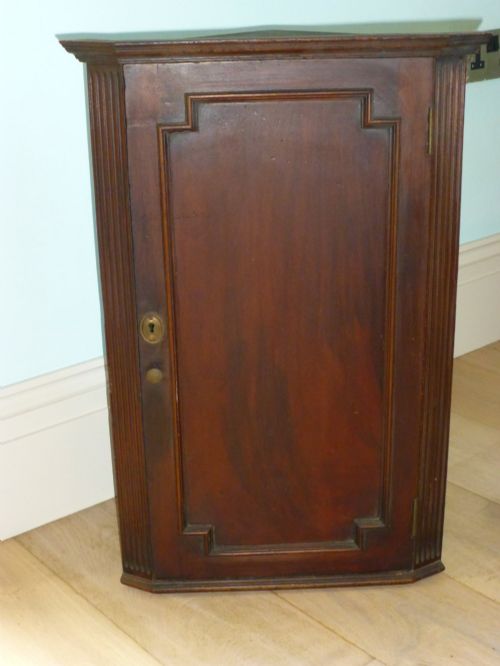
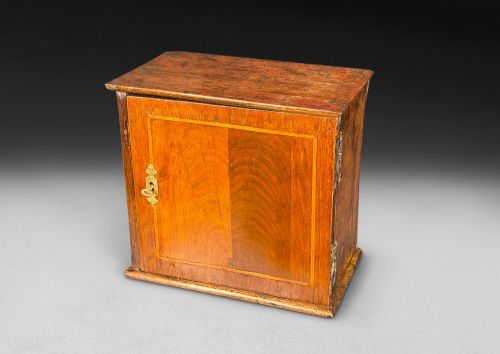
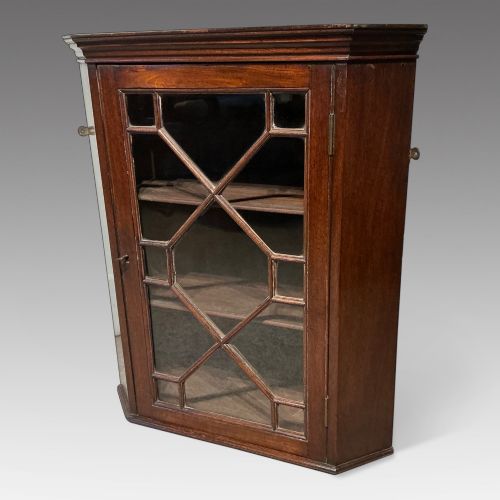
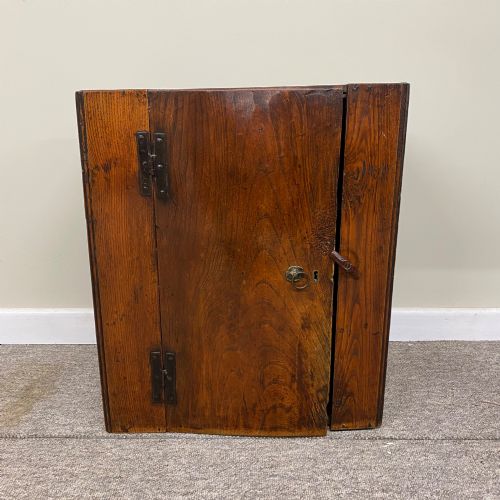
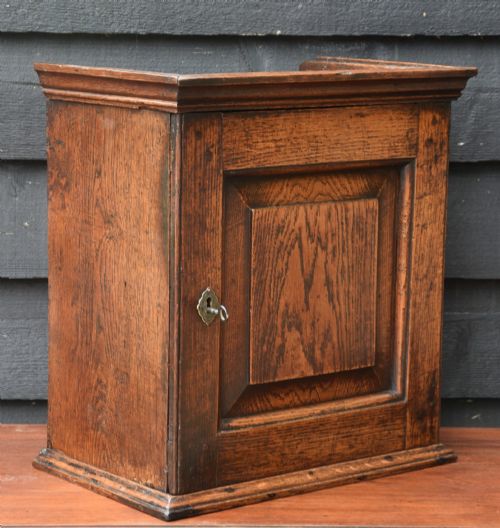
An antique hung cabinet offers compact storage, and these wall-mounted pieces range from simple oak spice cupboards to refined Georgian mahogany corner designs.
Antique Hung Cabinet
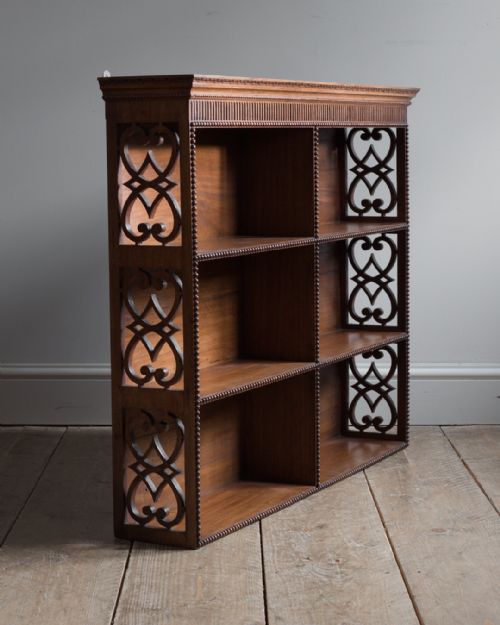
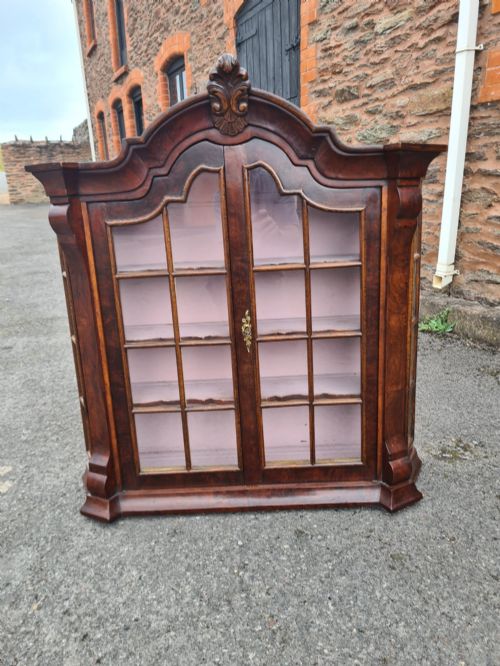
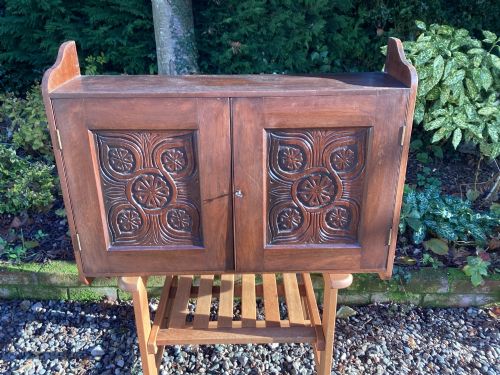
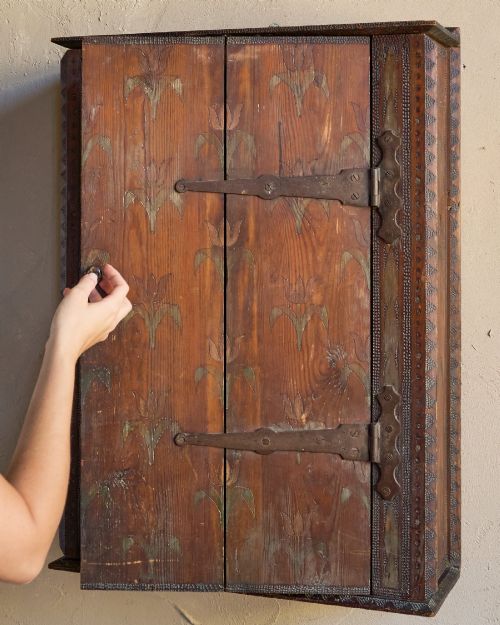
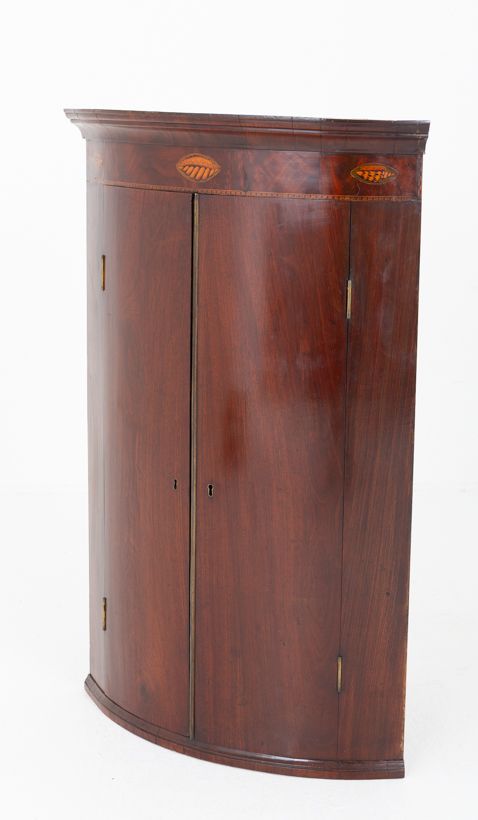
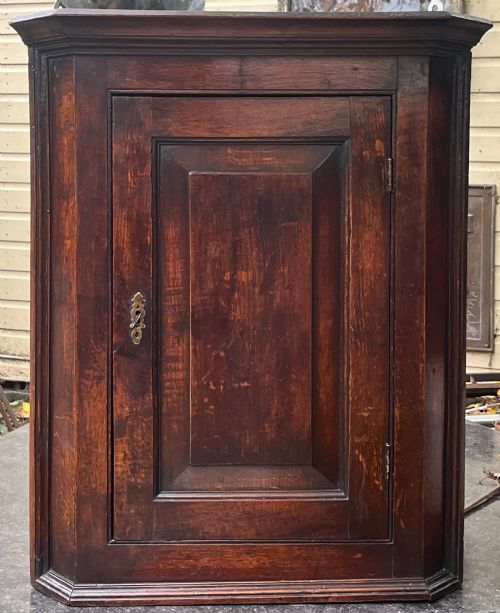
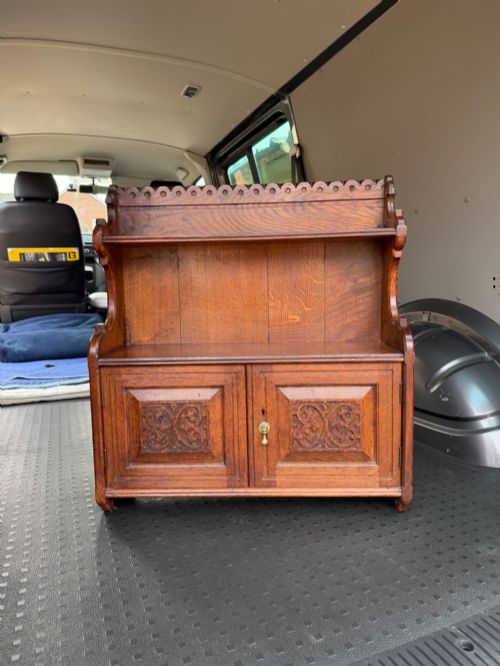
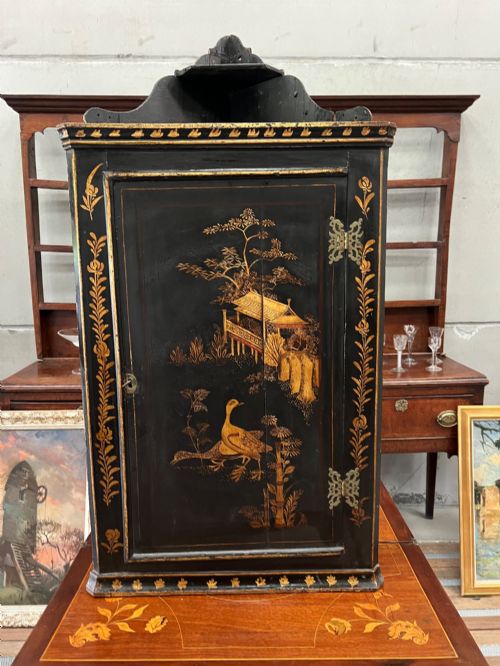
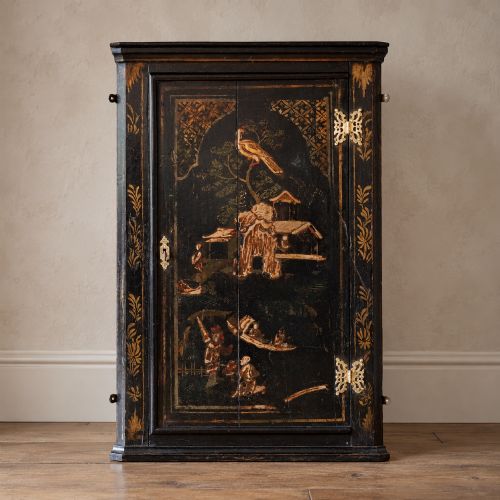
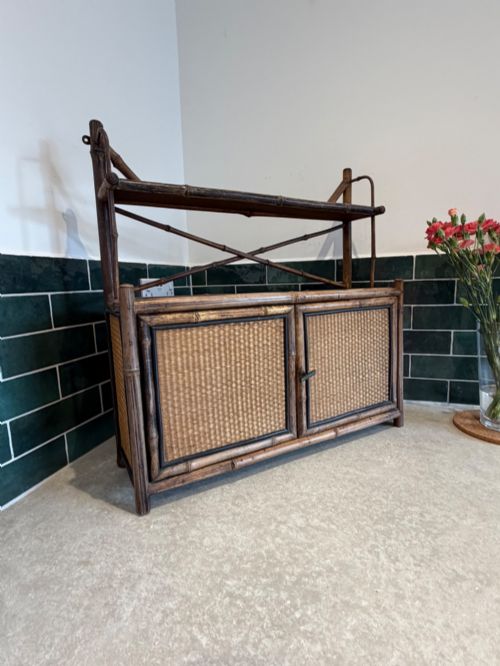
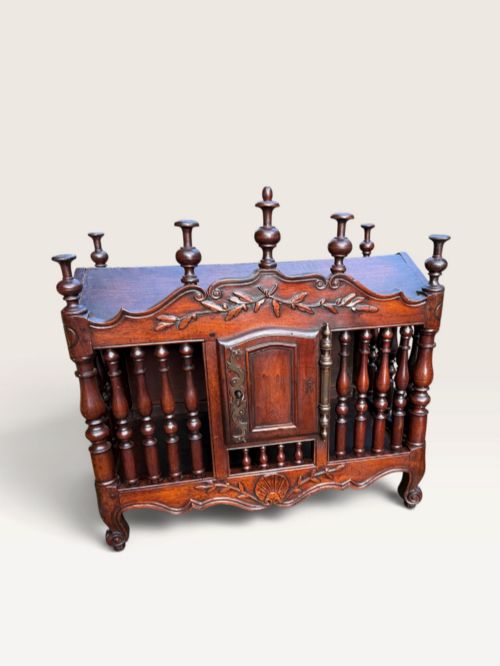
An antique hung cabinet is designed to mount directly to a wall, freeing up floor space while keeping everyday items secure inside. The listings show a strong presence of corner cupboards and flat wall cabinets suited for domestic rooms.
The materials and styles span centuries, with robust oak examples appearing from the eighteenth century alongside finer mahogany pieces from the Georgian period. Buyers also encounter Victorian and Arts and Crafts variations.
Form follows function closely across these pieces. Small spice cupboards and spice cabinets utilise minimal depth, while larger bow front corner cupboards provide substantial shelving capacity within domestic interiors.
Distinctions in quality
Quality rests upon the selection of timber and the precision of the cabinetmaker's joinery. Superior pieces utilise figured woods like plum pudding mahogany or burr walnut paired with well-executed mouldings.
The survival of original elements, such as brass hardware, functional keys, and glass panels, distinguishes better-preserved examples. Structural integrity in the hanging points and door hinges also separates fine workshops from basic utilitarian work.
Antique Hung Cabinet Retail Price Guide 2026
Typical asking prices for hung cabinet among the pieces listed under this phrase on Sellingantiques today, from the lower quarter to the upper quarter. They describe what is for sale here now, not the wider market.
Some tiny eighteenth-century spice cupboards come with secret compartments designed to hide precious nutmeg from thieving servants.
John Moyr Smith·George Edmund Street
The Antique Hung Cabinet Glossary
- Bow front
- A convex curved cabinet front that projects outward from the wall, frequently seen on Georgian corner cupboards.
- Spice cupboard
- A small wall-mounted storage box fitted with internal small drawers, traditionally used for valuable kitchen ingredients.
- Marquetry
- Decorative veneer work created by fitting together small pieces of contrasting wood to form geometric or floral patterns.
- Cornice
- The decorative moulded projection that finishes the top edge of a cabinet structure.
- Escutcheon
- A protective plate surrounding a keyhole, often cast in brass to complement the timber door.
Antique Hung Cabinet: Frequently Asked Questions
How do I hang an antique wall cabinet safely?
Check the internal backboards and original fixing points before installation. Modern heavy-duty wall brackets hidden inside the cabinet provide secure support.
Ensure the fixings anchor directly into solid masonry or studwork to bear the combined weight of the timber and its contents.
What rooms suit an antique corner cupboard?
Corner cupboards excel in dining rooms or kitchens by utilising empty wall junctions. They store glassware and tableware efficiently without crowding the floor area.
Bedrooms and hallways also accommodate smaller spice cupboards or glazed wall cabinets to display decorative items.
How do I tell Georgian from Victorian hung cabinets?
Georgian pieces generally feature understated mahogany or oak veneers with refined bracket feet or simple cornices. Their proportions prioritise classic symmetry and clean lines.
Victorian cabinets often display heavier carved ornamentation, ebonised finishes, or Gothic revival details that reflect later nineteenth-century tastes.
How should I clean antique wood surfaces?
Dust the cabinet regularly with a dry, soft lint-free cloth. Avoid silicone-based polishes that build up sticky residues over time.
Apply traditional beeswax occasionally to nourish the dry timber and maintain a soft, protective sheen across the grain.