

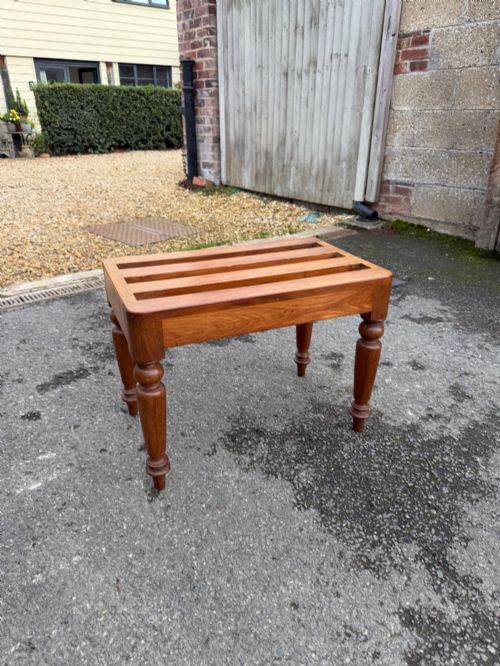
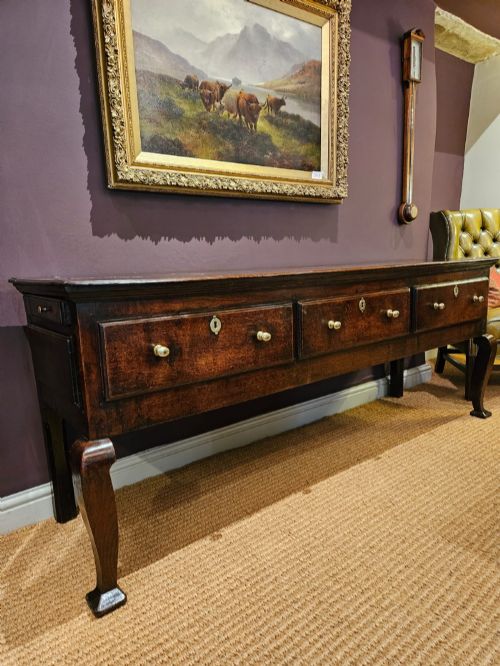
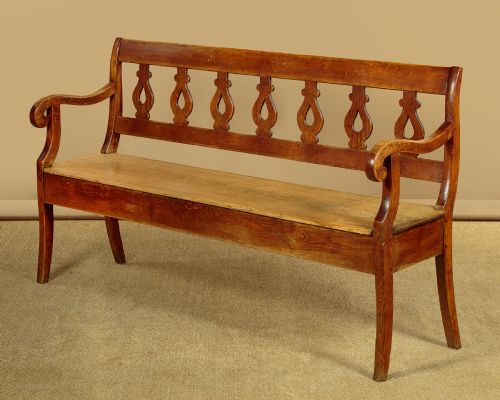
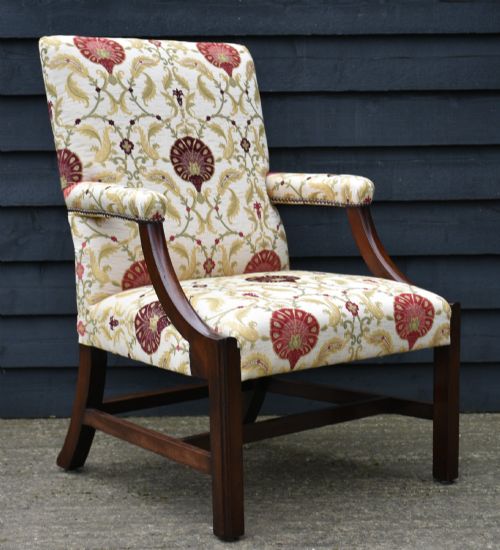


Antique House Furniture
Antique house furniture brings the honest utility and varied craftsmanship of past centuries straight into modern rooms.
Antique House Furniture
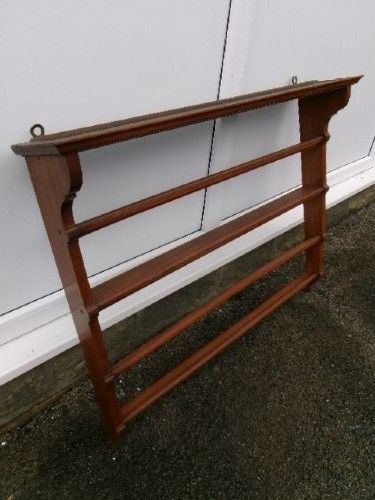
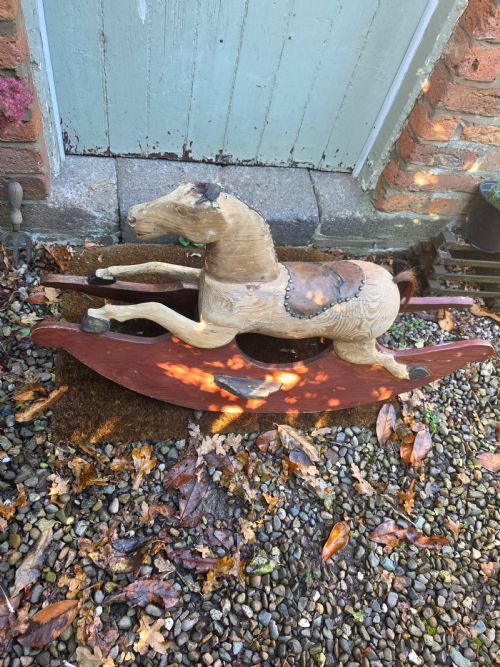
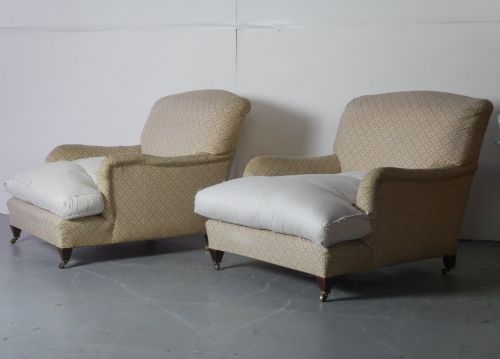
When you search for antique house furniture, you encounter a diverse collection of domestic utilities ranging from robust oak dressers to refined mahogany writing tables. These pieces encompass utilitarian storage cabinets, seating, and tables originating from country estates and town residences alike.
You are most likely to meet pieces from the Georgian, Victorian, and Edwardian periods on this page, constructed in durable hardwoods like oak, mahogany, and pine. The selection mirrors the changing domestic needs of households over several centuries.
From utilitarian scumble painted cupboards to grand walnut serving tables, these furnishings reflect both regional British vernacular traditions and formal cabinet-making styles.
How they were made
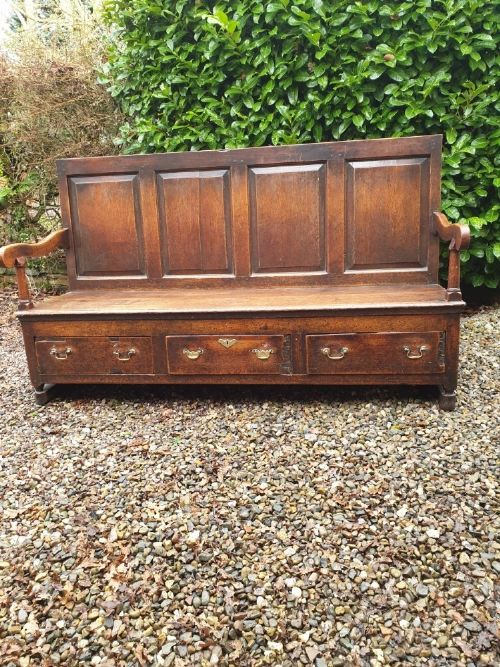
Cabinet-makers and country joiners utilised solid timber such as oak, elm, mahogany, and pine, often joined with traditional pegged or dovetailed construction to withstand generations of daily domestic service.
Surfaces were finished with applied paint, scumble effects, or polished wax to protect the grain of walnut, fruitwood, and satinwood, occasionally complemented by leather top inserts or brass hardware.
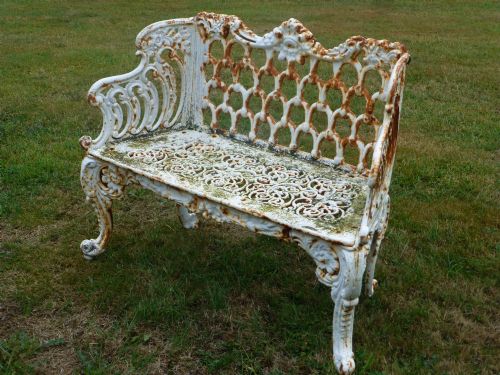
Cast iron and brass components appear on benches and boot racks, demonstrating the integration of durable metalwork alongside traditional woodwork in larger household utilitarian objects.
Antique House Furniture Retail Price Guide 2026
Typical asking prices for house furniture among the pieces listed under this phrase on Sellingantiques today, from the lower quarter to the upper quarter. They describe what is for sale here now, not the wider market.
Listings include sturdy oak dressers, mahogany writing tables, pine school cabinets, and iron garden benches spanning multiple centuries.
What varies in quality
The distinction between ordinary utility and superior quality rests upon timber selection, such as figured rosewood or Pollard oak, paired with restrained proportion and skilled carving.
Original surface finishes, including untouched scumble paint or faded patination on walnut and fruitwood, elevate a piece above later refinished or heavily altered examples.
Structural integrity and the retention of original drawer linings, brasses, and backboards separate straightforward vernacular survivals from compromised items.
Whytock and Reid·Morison and Co·Heals of London·Carron Foundry
The Antique House Furniture Glossary
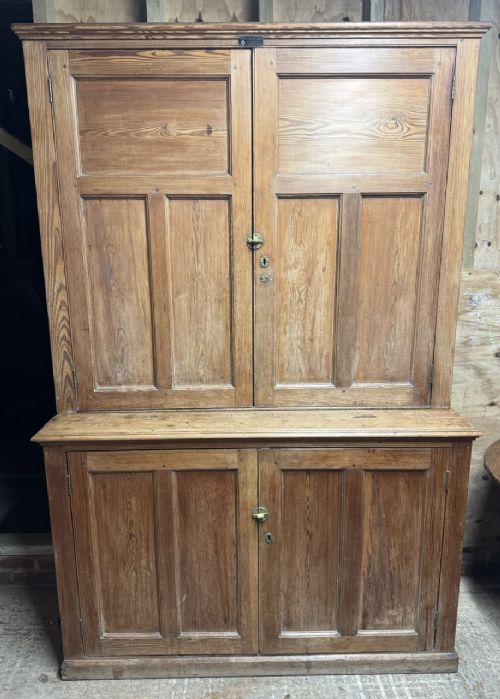
- Housekeeper cupboard
- A large storage cabinet traditionally used for linen, dry goods, and domestic provisions in a large household. These pieces typically feature panelled doors and internal shelving.
- Dresser base
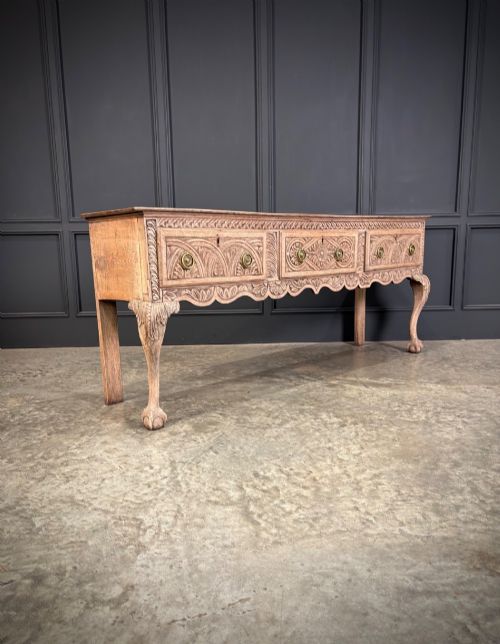
- A low sideboard or cabinet featuring drawers and cupboards beneath an open top surface. They served as central working and serving stations in domestic kitchens and dining rooms.
- Cricket table
- A small, lightweight occasional table supported by three splayed legs. This design provided stability on uneven flagstone floors in period cottages.
- Scumble paint
- A decorative surface finish applied with a brush or comb to imitate the grain of more expensive timber. It protected cheaper woods like pine while adding colour.
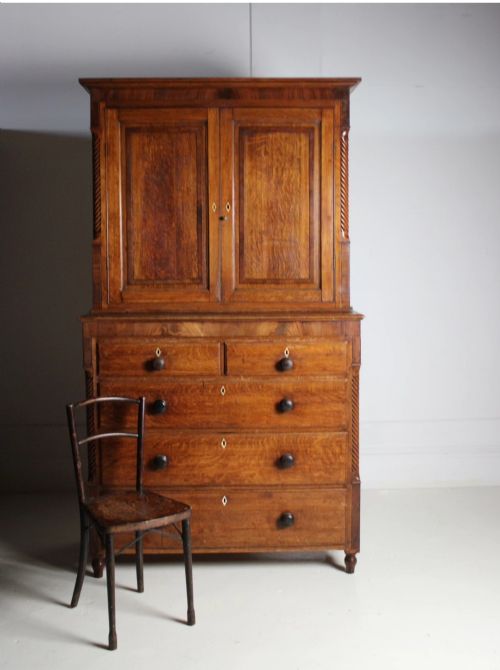
- Linen press
- A tall piece of furniture designed specifically for storing folded household textiles and garments. Sliding trays or drawers sit enclosed behind upper cabinet doors.
Antique House Furniture: Frequently Asked Questions
How do I care for antique wooden furniture?
Maintain a stable indoor humidity and keep wooden surfaces away from direct heat sources to prevent timber from splitting or warping over time. Apply a microcrystalline wax polish occasionally to nourish the grain without building up heavy residues.
Dust regularly with a soft, dry cloth rather than using silicone-based commercial sprays that can penetrate porous old finishes. Lift rather than drag heavy tables or cupboards when moving them across rooms.
What is a housekeepers cupboard used for today?
These tall cupboards provide substantial enclosed storage capacity suitable for modern kitchens, hallways, or living areas. Their deep shelves accommodate linens, crockery, or dry goods efficiently.
In contemporary spaces, they also function effectively as wardrobes or pantry units, concealing household clutter behind period panelled doors.
How can I tell a Georgian piece from a Victorian one?
Georgian furniture, dating from the eighteenth century into the early nineteenth century, generally displays restrained classical proportions and timber choices like oak, mahogany, and walnut. Decoration relies on fine veneers, crossbanding, or subtle carved details rather than heavy ornamentation.
Victorian pieces from later in the nineteenth century often feature heavier construction, bolder turned legs, and the widespread use of pitch pine alongside mahogany. Machinery played a larger role in manufacturing by the mid-Victorian era, leading to standardised joinery.
Where should I place a cricket table in my home?
Because of their compact triangular footprint, cricket tables fit easily beside armchairs as convenient lamp or side stands. Their three-legged design ensures they remain stable even on uneven historic flooring.
Avoid positioning them in direct sunlight or beside active radiators to protect the dry fruitwood or oak tops from drying out.