


Antique House Box
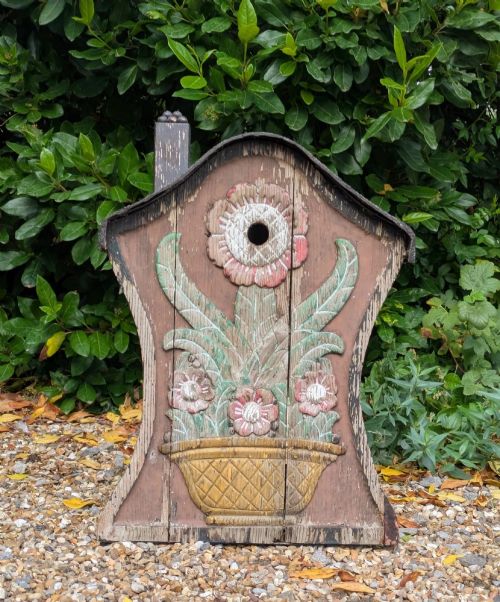
An antique house box brings architectural charm and practical storage into a room, spanning miniature architectural models, letter boxes and substantial country house receptacles.
Antique House Box
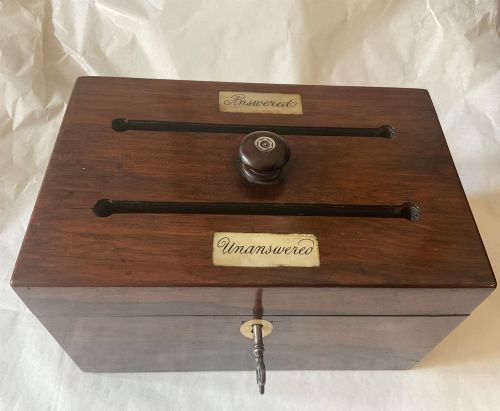
When searching for an antique house box, buyers encounter a diverse grouping of items ranging from architectural money banks and Trinity House maritime boxes to functional country house letter receptacles and stationery cases. The architectural forms often mimic specific buildings or cabins, while larger storage pieces reflect the domestic organisation of grand estates.
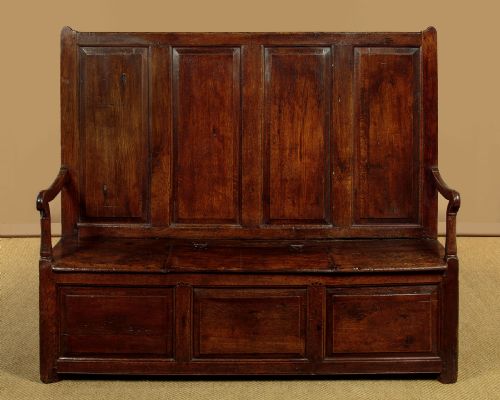
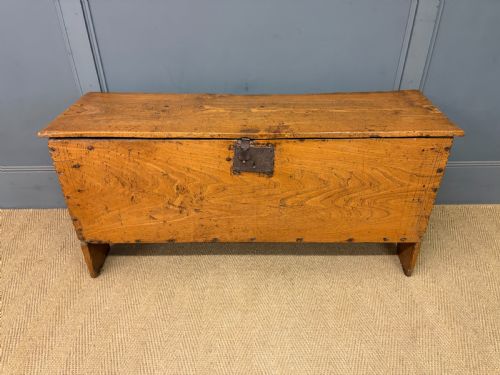
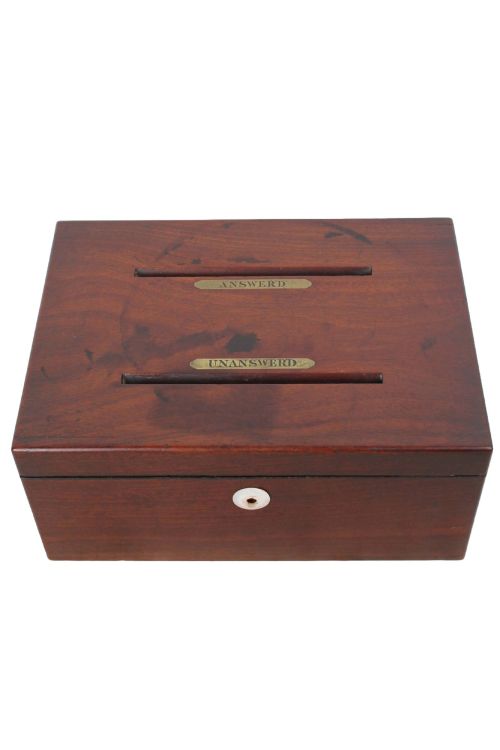
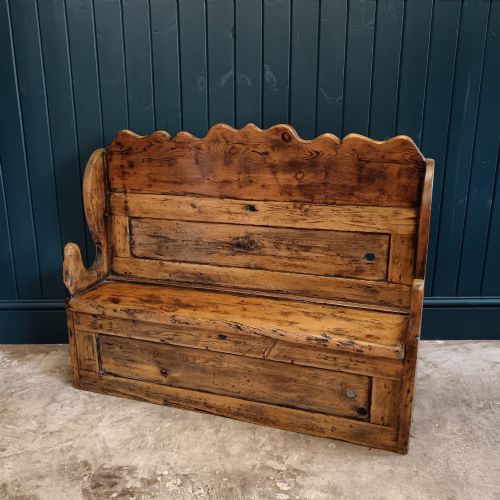
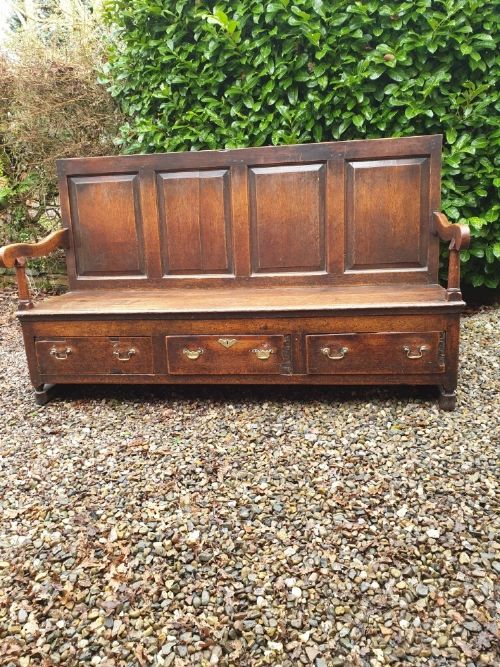
The pieces on this page draw from periods spanning the Georgian era through to the Edwardian period, incorporating rustic country vernaculars and folk art traditions. Letter boxes and desk accessories predominate among the smaller portable examples, while mule chests and coffers represent the larger storage vessels associated with period houses.
Materials and construction methods
Cabinet makers utilised native timbers such as oak, elm, pine and mahogany, often combining woods within a single carcass for structural strength. Grain patterns and patination develop naturally through age and regular handling, particularly on pieces fashioned from fruitwood and walnut.
Surface decoration frequently involves hand painting, intricate marquetry inlay depicting maritime scenes or architecture, and structural iron or brass banding. Joinery techniques range from dovetailed drawer construction to pegged framing on large coffers and settles.
Listings feature items constructed from oak, pine, mahogany, elm and fruitwood across the Georgian, Victorian and Edwardian periods.
Assessing quality and craftsmanship
Quality in these items rests upon the precision of the joinery, the crispness of any architectural detailing or inlay, and the survival of an original surface finish. Superior examples display thoughtful proportions and careful timber selection rather than purely utilitarian construction.
The integrity of hardware, such as brass mounts, locks and hinges, heavily influences desirability. Pieces retaining uncompromised hand-painted decoration or intricate maritime marquetry separate exceptional collector pieces from standard domestic storage.
Hallett & Sons
The Antique House Box Glossary
- Trinity House box
- A specific type of maritime souvenir box or money bank, typically inlaid with representations of ships, lighthouses and coastal buildings. These pieces are strongly associated with maritime interest and nineteenth-century craftsmanship.
- Mule chest
- A traditional storage chest featuring one or more drawers built into the base beneath the main compartment. They bridge the evolution between the simple coffer and the modern chest of drawers.
- Coffer
- A heavy, robust wooden chest with a hinged lid, historically utilised for storing valuables, textiles or documents. Early examples often exhibit hand-carved panels and pegged frame construction.
- Toleware
- Sheet metal that has been lacquered and hand-painted, frequently used for domestic kitchen buckets, scuttle items and utility boxes in nineteenth-century country houses.
- Folk art
- Decorative or utilitarian objects created by self-taught or vernacular makers, often characterised by unconventional proportions, bright painted surfaces, and charming local character.
Antique House Box: Frequently Asked Questions
What is a Trinity House box?
A Trinity House box is a distinct nineteenth-century maritime piece, frequently fashioned as a money box, sewing box or spice cabinet and decorated with inlaid depictions of lighthouses and sailing ships.
These items carry strong maritime associations and were often created as commemorative objects or detailed sailor's work.
How do I date an old wooden box?
Dating relies on examining the timber species, construction methods, joinery marks, and the style of any brass hardware or locks present on the piece.
Earlier pieces from the Georgian period often display hand-sawn timber and pegged joints, whereas late Victorian and Edwardian examples utilise more mechanised production techniques.
How were letter boxes used in period homes?
Country house letter boxes and post boxes served as secure collection points for daily correspondence before rural postal delivery became uniform.
Servants collected the mail from these designated wall-mounted or desktop receptacles for sorting within the estate.
Where should I place a large country house box?
Large chests, mule chests and coffers suit hallways, living spaces or bedroom ends where they provide substantial hidden storage while anchoring the room's proportions.
Their sturdy flat lids also allow them to function effectively as casual seating benches or display surfaces.