

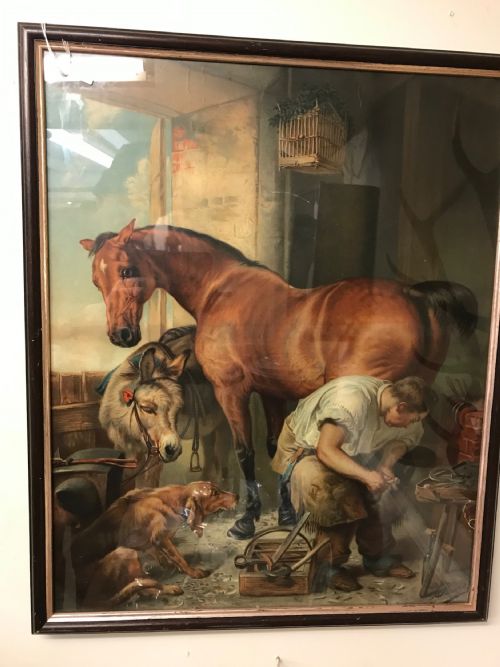


Antique Hound Artwork Framed
These antique hound artwork framed pieces capture canine subjects in oils, watercolours, and engravings spanning several centuries.
Antique Hound Artwork Framed
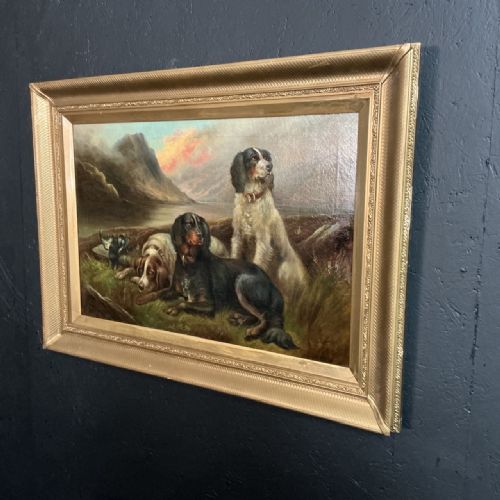
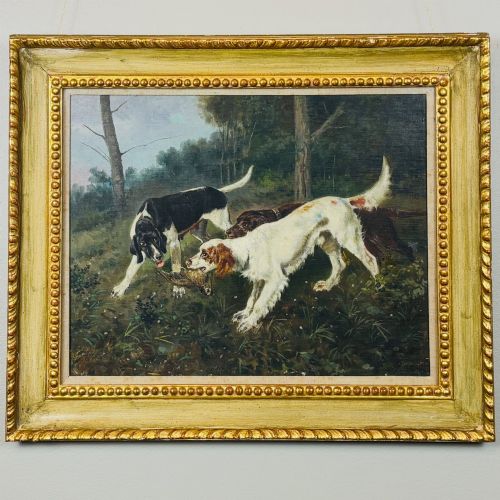
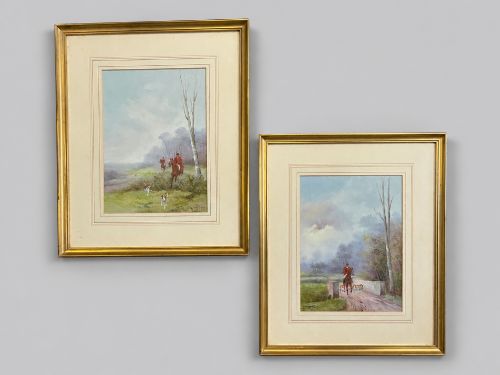
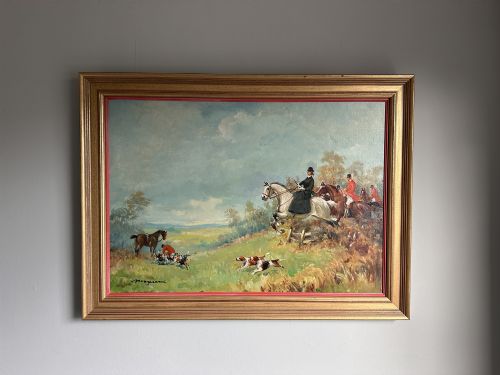
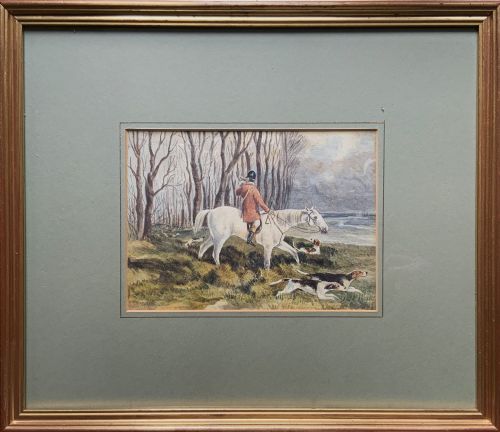
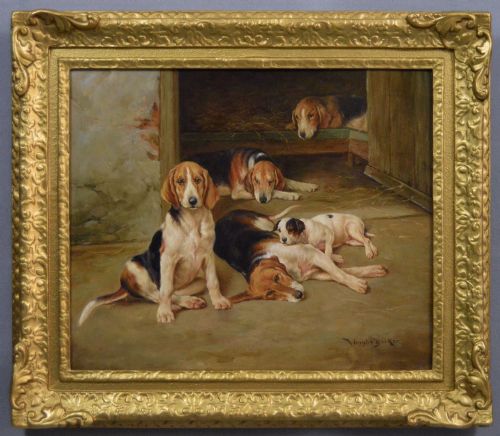
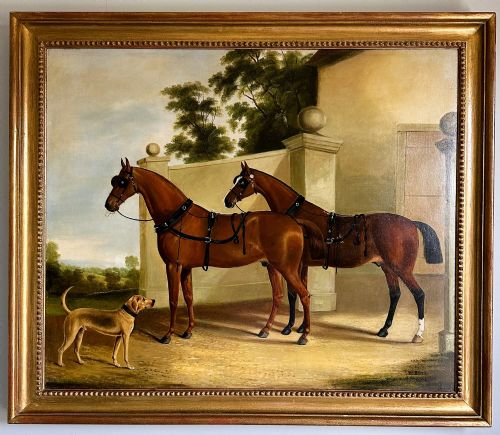
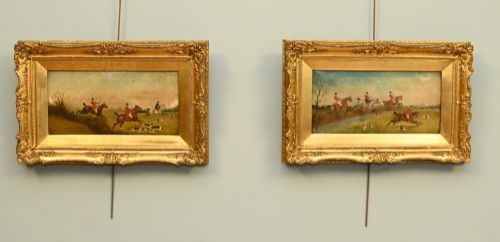
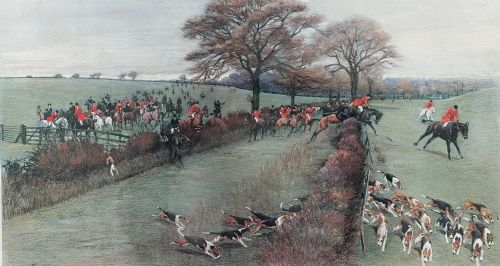
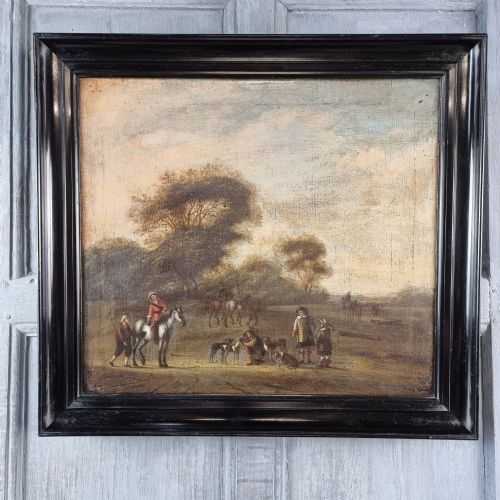
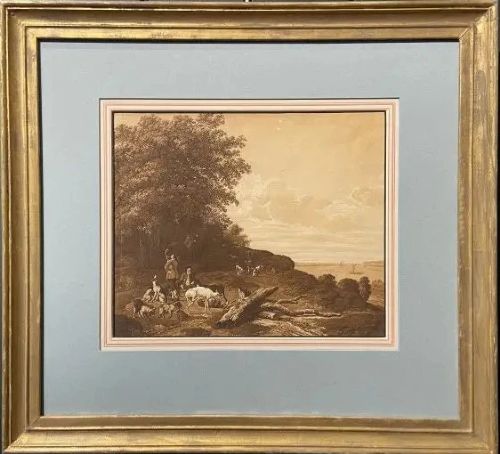
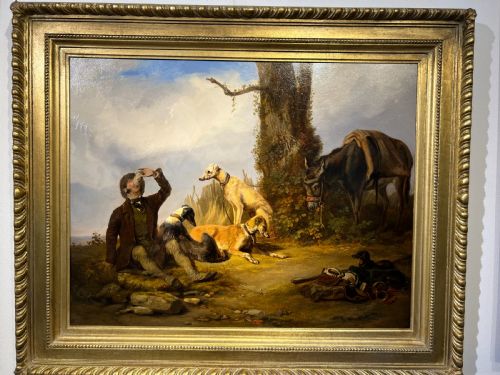
When searching for antique hound artwork framed, collectors encounter a diverse range of depictions focusing on sporting dogs, hunting packs, and individual canine portraits. The selection spans centuries from the late seventeenth period through to the early twentieth century, reflecting shifting tastes in animal painting. Most examples on this page take the form of oil paintings on canvas or board, alongside watercolours, hand-coloured engravings, and etchings.
The subjects range from quiet character studies of curly-coated retrievers and spaniels to dynamic scenes of fox hunts, coursing greyhounds, and hound packs in motion. Pieces originate from British, Dutch, and French hands, often showcasing the distinct traditions of sporting art. Buyers find works attributed to named practitioners of animal portraiture alongside accomplished contemporary copies of celebrated Landseer compositions.
How They Were Made
Artists working on these pieces utilised oil paints on stretched canvas or wooden panels, building up layers of pigment to capture the texture of a hound coat and the shifting light of landscapes. Watercolour painters worked on heavy paper, employing washes and fine brushwork for detailed animal studies. Printmakers produced hand-coloured engravings and etchings, combining etched lines with washes of colour to replicate the impact of finished paintings.
Framing forms an integral part of the physical object, typically involving wooden mouldings finished with gold leaf or giltwood to complement the visual depth of the artwork. Glass protects the works on paper, while oil paintings on canvas remain unglazed in traditional wooden frames. The materials reflect the standard studio practices of the Georgian and Victorian eras.
Antique Hound Artwork Framed Retail Price Guide 2026
Typical asking prices for hound artwork framed among the pieces listed under this phrase on Sellingantiques today, from the lower quarter to the upper quarter. They describe what is for sale here now, not the wider market.
Listings feature works spanning from the seventeenth century through to the 1920s, utilising oil, watercolour, and engraving techniques.
What Varies in Quality
Quality in these works rests upon the anatomical precision of the animals and the artist's ability to render the intelligent expression and muscular structure of a hound. Stronger pieces display confident brushwork or crisp engraving lines that convey movement and texture without stiffness. Lesser examples may rely on rigid proportions or formulaic landscape backgrounds that lack individual character.
The integrity of the original framing and the preservation of the painted surface or paper support also influence the standing of a piece. Works that retain their original giltwood frames and untouched pigment layers offer a more complete historical survival. Subtle handling of light and shadow separates accomplished sporting art from standard commercial production of the period.
Johannes Lingelbach·Sir Edwin Henry Landseer·Arthur Wardle·Samuel Raven·Colin Graeme Roe·Fannie Moody·John Sanderson-Wells·Henri Schouten·Guillaume Urban Régamey·George Goodwin Kilburne·Thomas Blinks·Philip Eustace Stretton·Richard Waitt·Henry Frederick Lucas-Lucas·Edward B Herberte·Herbert Dicksee
The Antique Hound Artwork Framed Glossary
- Giltwood
- Wood carved and coated with gold leaf or gold paint. This finish creates the traditional reflective border seen on nineteenth-century frames.
- Etching
- A printmaking method where acid bites lines into a metal plate. Artists use this technique to achieve fine, tonal detail in animal prints.
- Sporting Art
- Depictions of hunting, shooting, horses, and dogs. This genre flourished in Britain throughout the Georgian and Victorian periods.
- Oil on Board
- A painting executed on a rigid wooden panel or stiff card rather than stretched canvas. This support provides a stable surface for detailed brushwork.
- Hand-Coloured Engraving
- A printed image finished with washes of watercolour by hand. Publishers utilised this method to add vibrancy to black-and-white prints.
Antique Hound Artwork Framed: Frequently Asked Questions
How do I identify the period of a hound painting?
Examine the clothing styles of any human figures, the construction of the wooden stretcher or frame, and the preparation of the canvas. Pigment analysis and artist signatures offer further clues.
Sporting art styles shifted from rigid eighteenth-century formality to the more naturalistic realism of the Victorian era. Comparing brush techniques with dated examples by known animal painters helps narrow the decade.
Were these artworks originally created as interior decoration?
Many sporting paintings and engravings were commissioned by landowners to record specific hunting packs, prized individual hounds, or notable country pursuits. They hung in country houses as reflections of rural status and sporting interests.
Smaller watercolours and prints served a broader domestic market during the nineteenth century. These allowed middle-class homes to display popular animal subjects.
What is the difference between an oil painting and an engraving?
An oil painting is a unique work created by applying pigment suspended in oil directly onto canvas or wood. Each brushstroke is singular to the artist's hand.
An engraving is a printed multiple produced by pressing inked metal plates onto paper. While some engravings received hand-colouring, they represent a reproducible medium rather than a singular painted surface.
How should I care for a framed antique oil painting?
Keep oil paintings away from direct sunlight and steady sources of artificial heat to prevent the canvas from slackening and the paint from cracking. Maintain stable room humidity.
Dust the gilded frame gently with a dry, soft brush, avoiding chemical cleaning agents. Glazed works on paper require sealed backboards to protect against atmospheric moisture.