





Antique Hot Water Pot
An antique hot water pot brings a focused, historic ritual to the table, standing as a testament to past dining traditions.
Antique Hot Water Pot
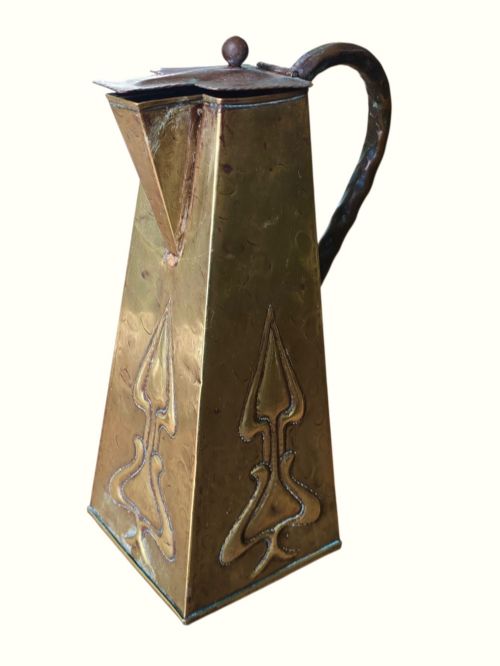
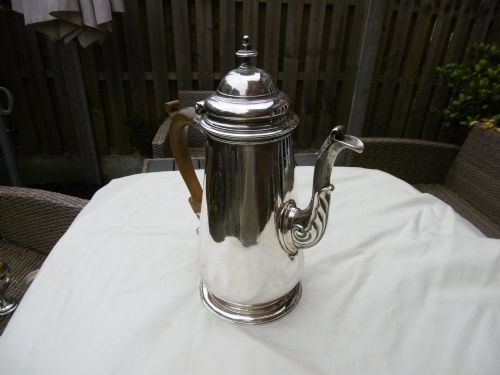
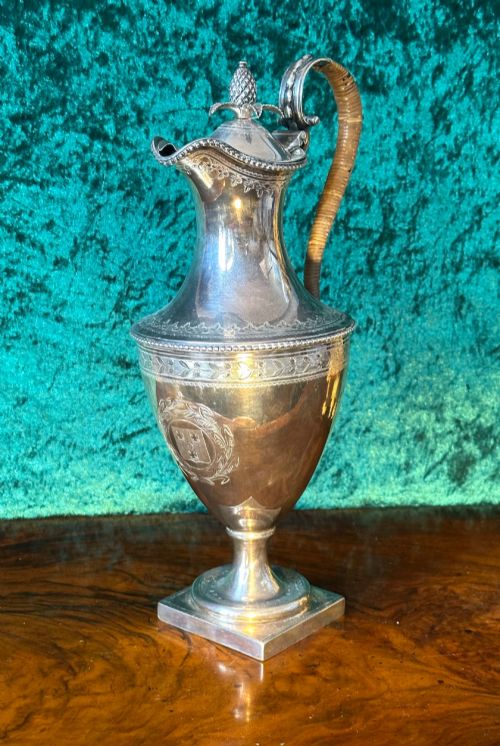
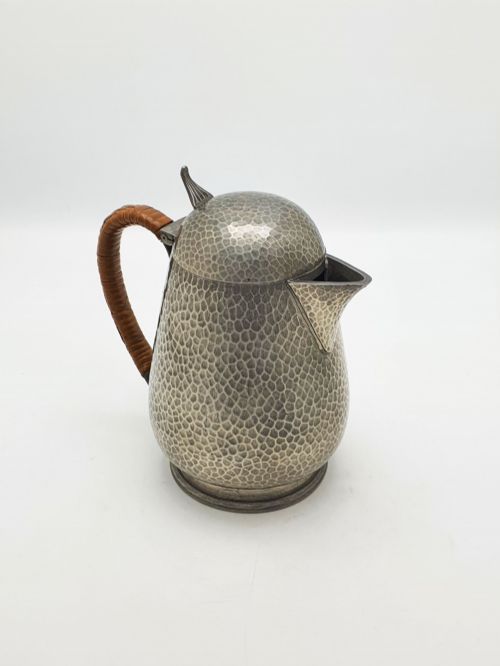
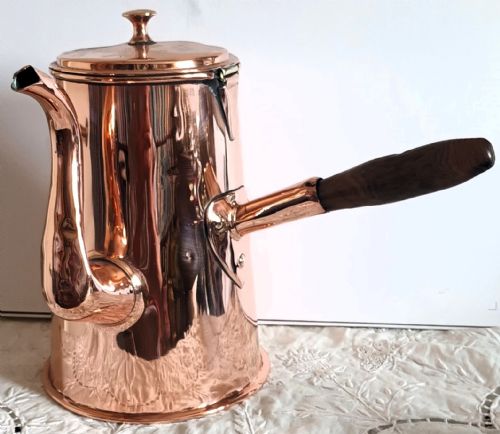
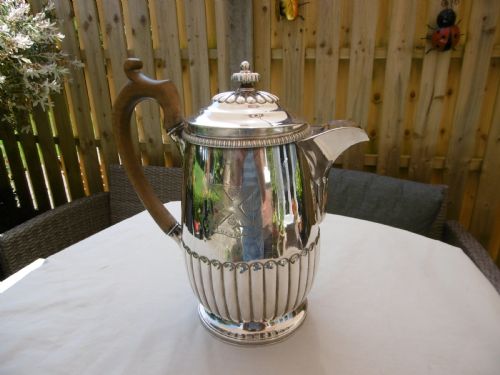
When you search for an antique hot water pot, you encounter vessels designed for pouring steaming water at the tea or coffee table. These pieces span centuries of metalworking, from Georgian and Regency eras through the Victorian and Edwardian periods up to the early twentieth century.
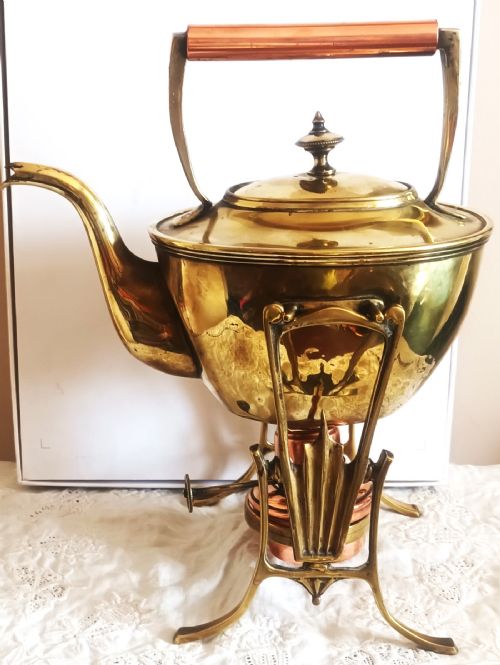
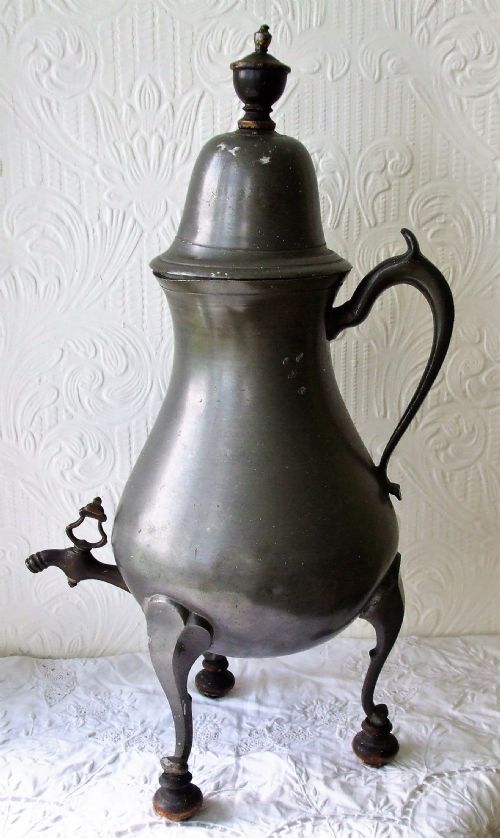
You are most likely to meet silver plated examples from the nineteenth century alongside solid sterling silver vessels and heavier utilitarian pieces in copper, brass, and pewter. The selection includes dedicated pots, coffee pots that doubled for water, spirit kettles on stands, and larger coffee urns.
Originating predominantly from English workshops, these items reflect the changing domestic habits of well-to-do households. They range from plain, functional copper field vessels to highly ornate, hand-engraved silver and Old Sheffield plated creations.
Materials and Construction Methods
Silversmiths and metalworkers shaped sterling silver, silver plate, and Old Sheffield plate by hand or with early mechanical presses, soldering seams and applying decorative chasing and engraving. Copper and brass pieces often feature dovetailed or brazed joints, paired with cast handles insulated by bone or cane.
Makers utilised heavy gauge metals to retain heat, applying silver plating over copper bases through the fused Old Sheffield method or later electroplating techniques. Interiors were sometimes lined or left plain depending on whether the pot held water directly or served alongside a separate tea service.
Antique Hot Water Pot Retail Price Guide 2026
Typical asking prices for hot water pot among the pieces listed under this phrase on Sellingantiques today, from the lower quarter to the upper quarter. They describe what is for sale here now, not the wider market.
Listings feature pieces spanning the eighteenth, nineteenth, and early twentieth centuries, constructed from silver, copper, brass, pewter, and Old Sheffield plate.
Distinctions in Grade and Execution
Quality rests upon the weight of the metal and the crispness of the chased or engraved decoration. Superior pots demonstrate balanced proportions, secure hinge mechanisms, and well-fitted lids that align properly with the body.
The integrity of the original handle insulation - whether bone, wood, or woven cane - alongside clear hallmarks or maker marks separates standard utilitarian vessels from masterworks produced by prominent silversmiths.
Walker and Hall·Richard Gurney·William Soutter and Sons·Matthew Boulton·John Hoyland·Harrison Brothers and Howson·Paul Storr·Boardman Glossop and Co·Royal Worcester
The Antique Hot Water Pot Glossary
- Old Sheffield Plated
- A composite material made by fusing a thin sheet of sterling silver to a thicker copper base, common in eighteenth and early nineteenth century vessels. This technique produces a warm dual-metal tone visible at high-wear edges.
- Spirit Kettle
- A water heating pot suspended above a small burner fueled by alcohol or spirits. These stand mounted assemblies allowed water to remain hot throughout long dining sessions.
- Biggin
- A tall coffee pot fitted with an internal cylindrical container or strainer for holding ground coffee. This form emerged in the Georgian period to brew coffee directly at the table.
- Hallmark
- A series of stamped official marks indicating the metal purity, assay office, and year of manufacture on precious metals. These stamps provide a definitive paper trail for solid silver items.
- Urn
- A large, bulbous vessel often fitted with a small tap or spigot near the base for dispensing hot water. They typically rest on fixed pedestal feet or dedicated stands.
Antique Hot Water Pot: Frequently Asked Questions
What is an antique hot water pot used for?
These vessels held boiling or near-boiling water to top up tea pots or dilute strong brewed coffee during formal meals. They provided a continuous supply of hot water at the table without requiring trips to the kitchen.
Over time, their roles shifted as domestic service changed and integrated tea and coffee sets became standard household dining accessories.
How do I clean an antique metal pot?
Careful washing with warm water and mild soap removes daily dust without harming historic surfaces. Avoid harsh chemical dips on silver plate and old copper to preserve the underlying patina.
Gentle application of specialised metal polishes keeps silver and brass bright, while unlacquered copper benefits from minimal intervention to maintain its aged appearance.
Can I still use these pots for serving?
Many solid silver and silver plated pots remain entirely functional for holding hot water if cleaned thoroughly inside. Users should check handles and lid hinges carefully before filling.
Utilitarian copper and brass pieces with older linings or spirit burners are often best kept as decorative objects or dry display items.
How can I tell the period of a pot?
Hallmarks on solid silver items give exact assay dates and maker marks, anchoring the piece to a specific decade. Stylistic cues such as Regency neoclassical lines, Victorian rococo revival scrolls, or Arts and Crafts minimalism also point to distinct eras.
Construction methods like Old Sheffield plating techniques or cast handle attachments further help narrow down the manufacturing timeframe.