

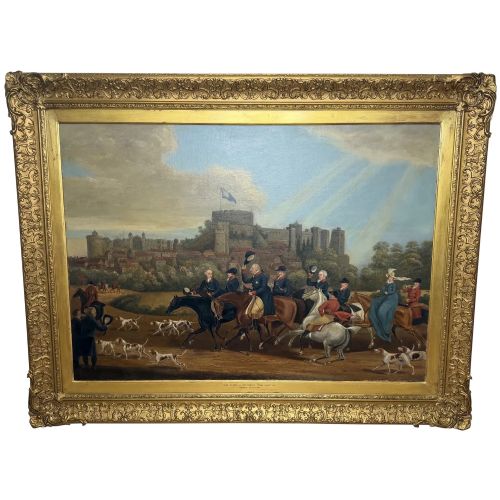


Antique Horse Hunting Painting
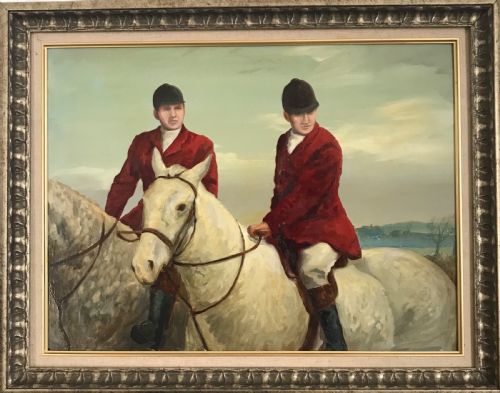
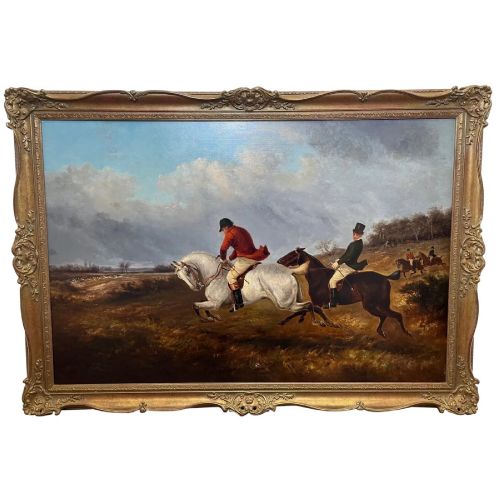
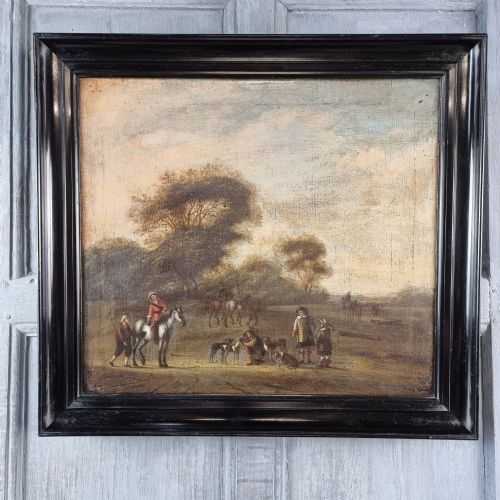
An antique horse hunting painting captures the movement and atmosphere of historical field sports through horse and hound.
Antique Horse Hunting Painting
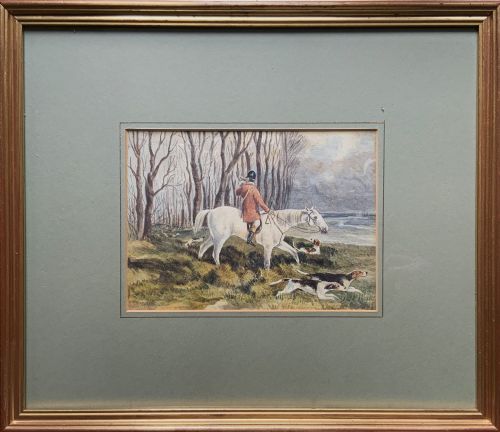
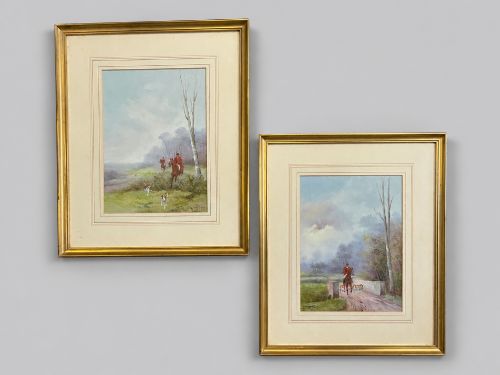
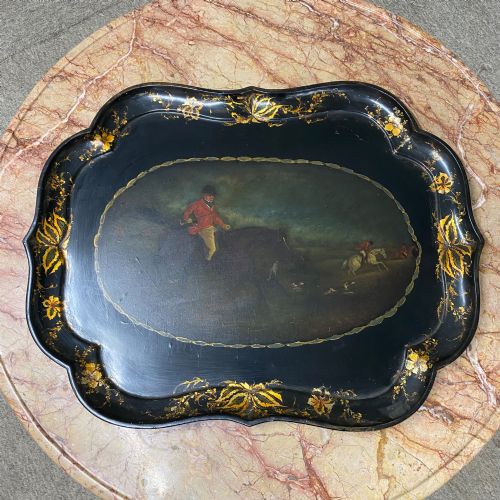
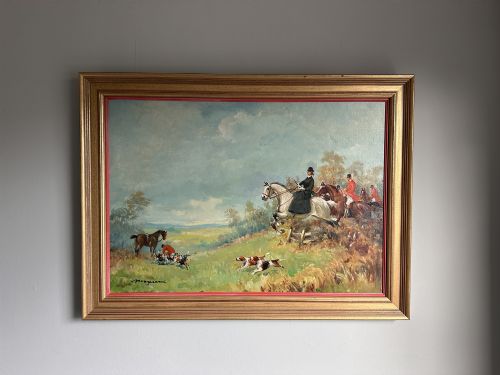
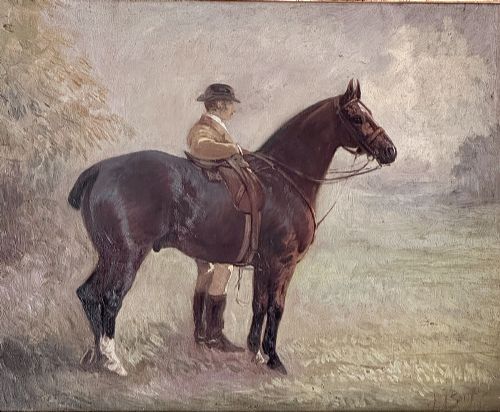
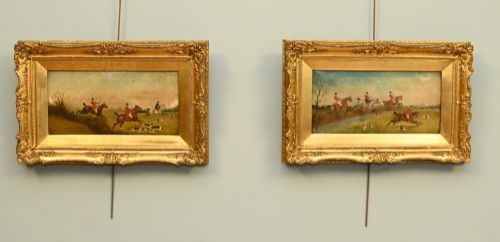
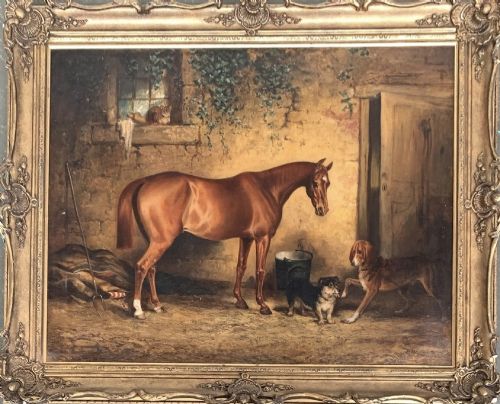
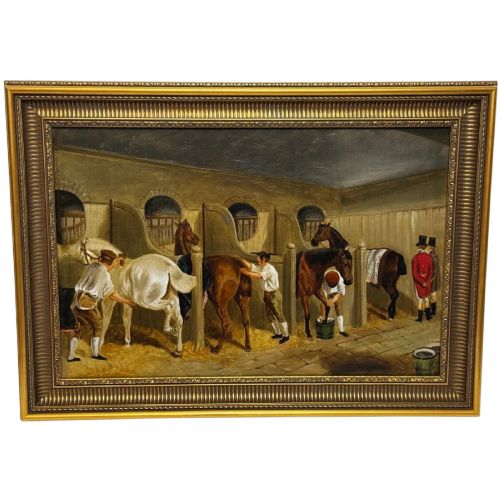
An antique horse hunting painting depicts scenes from fox hunting, coaching, and equestrian life, recorded across the nineteenth and early twentieth centuries. These artworks document the pursuit with packs of hounds, mounted huntsmen, and detailed depictions of horses in motion across rural landscapes.
The most common version to meet on this page is an oil painting on canvas or a framed watercolour originating from the Victorian or Edwardian eras. Such pieces frequently highlight specific hunts, notable hounds, and named horses set within British countryside views.
How They Were Made
Artists worked primarily in oil paint on canvas or panel, and occasionally applied watercolour to paper, utilising pigment mixtures to capture the light on horses and coats. Frames were constructed from wood and finished with gilt or gilding to complement the finished canvas.
Techniques ranged from loose, rapid brushwork designed to convey the speed of a gallop to precise draughtsmanship detailing equine anatomy and canine form. Supporting supports included card, reverse glass, and heavy watercolour paper.
Antique Horse Hunting Painting Retail Price Guide 2026
Typical asking prices for horse hunting painting among the pieces listed under this phrase on Sellingantiques today, from the lower quarter to the upper quarter. They describe what is for sale here now, not the wider market.
The listings feature works executed in oil on canvas, watercolour on paper, and reverse glass painting across the nineteenth and twentieth centuries.
What Varies in Quality
The competence of the artist in rendering equine anatomy and the psychological expression of horses and hounds divides standard works from exceptional examples. Superior compositions manage complex groupings of horses, riders, and hounds without losing individual character or directional momentum.
Framing and preservation also determine the standard of a piece, with original giltwood frames and surfaces free from heavy restoration commanding greater scholarly and collector attention.
Thomas Smythe·George Wright·Basil Nightingale·Philip Henry Rideout·Charles Faulkner·John Sanderson Wells·Charles Clifford Turner·Heywood Hardy·Charles Johnson Payne Snaffles·Guillaume Urban Régamey·George Goodwin Kilburne·William J Hodgson·Frank Dadd·Edward B Herberte·Wilfred Bailey·James Pollard
The Antique Horse Hunting Painting Glossary
- Oil on Canvas
- Pigment bound in a drying oil applied to a stretched woven fabric support. This combination allowed artists to build rich textures and deep tones suitable for large sporting scenes.
- Watercolour
- A paint consisting of colorants suspended in a water-soluble vehicle, typically applied to paper. It was favoured for rapid field sketches and finished exhibition works alike.
- Gilt Wood
- Timber carved and coated with a thin layer of gold leaf or metallic gilt powder. These frames were tailored to enclose and elevate the status of fine art.
- Reverse Glass Painting
- An artwork executed on the rear side of a glass panel so that the image is viewed through the transparent front. This technique produces a glossy, reflective surface finish.
- Full Cry
- A hunting term describing the moment when the entire pack of hounds is actively baying on the scent of the quarry. In painting, it denotes a scene of maximum energetic action.
Antique Horse Hunting Painting: Frequently Asked Questions
What is an antique horse hunting painting?
These artworks are period depictions of equestrian sports, featuring mounted riders, packs of hounds, and coaching episodes across various rural settings.
They serve as historical records of nineteenth and early twentieth-century field sports, executed primarily by specialist sporting artists.
How do I identify the period of a hunting painting?
Dating relies upon the costume of the riders, the tack worn by the horses, and the framing style characteristic of specific decades.
Signatures, artist dates, and traditional exhibition labels attached to the reverse of the canvas or frame also provide reliable chronological markers.
Where were these sporting paintings originally displayed?
Country houses, estate libraries, and sporting clubs traditionally hung these works to celebrate local hunts and favourite equine subjects.
Today, they are integrated into domestic interiors as focal points within studies, halls, and reception rooms.
What is the difference between an oil and a watercolour hunting painting?
Oils are painted on canvas or panel, offering rich colour saturation, heavier impasto texture, and greater durability over long periods.
Watercolours are executed on paper under glass, capturing lighter washes and fine illustrative detail typical of preparatory studies or finished works on paper.