



Antique Horology Piece
An antique horology piece is a mechanical timekeeper from past centuries, offering a tangible connection to historical engineering and craftsmanship.
Antique Horology Piece
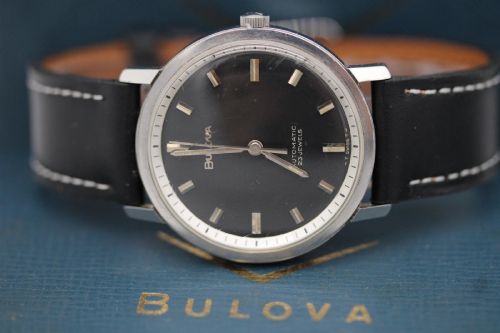
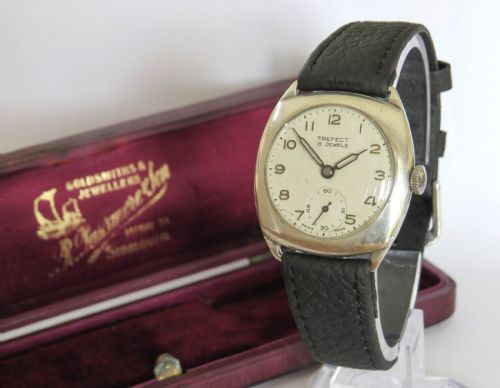
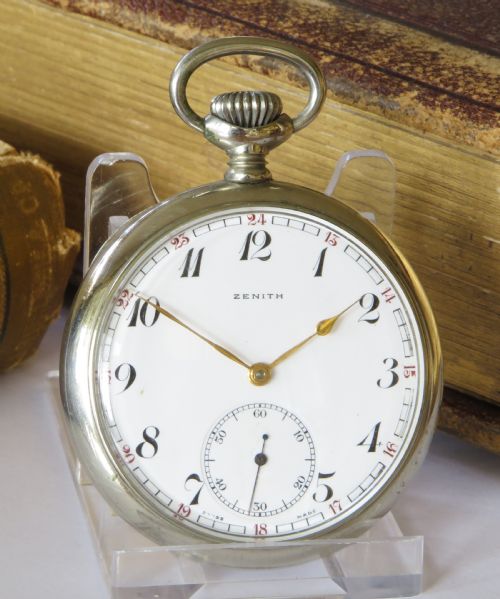
When you search for an antique horology piece, you encounter a diverse array of timekeeping devices spanning the Victorian era through the mid-twentieth century. The selection ranges from robust pocket watches and refined wristwatches to substantial mantel clocks and sophisticated carriage clocks.
Most items you meet on this page originate from French, Swiss, and English workshops, reflecting distinct regional approaches to mechanical design. Forms vary from simple pocket-worn timepieces to elaborate carriage clocks featuring striking mechanisms and detailed cases.
The materials and aesthetic treatments align with specific periods, such as the classical elegance of Louis XVI styles alongside later Art Deco designs. Each object serves as both a functional instrument and a decorative artefact of its era.
How they were made
Construction relies heavily on metals such as brass, steel, and gilt bronze, forming the robust chassis and intricate gear trains necessary for timekeeping. Precious metals like gold plate and silver appear alongside glass crystals and enamel dials to protect and display the movement.
Casework incorporates traditional cabinet-making materials, utilising rosewood and marquetry to house domestic clocks alongside metal-cased carriage designs. Skilled hands assembled these components, integrating escapements and striking trains to ensure precise mechanical operation.
Antique Horology Piece Retail Price Guide 2026
Typical asking prices for horology piece among the pieces listed under this phrase on Sellingantiques today, from the lower quarter to the upper quarter. They describe what is for sale here now, not the wider market.
Even tiny vintage wristwatches managed to pack in moonphase complications and chronographs.
What varies in quality
The standard of a timepiece is largely determined by the sophistication of its movement, such as platform escapements, quarter-striking mechanisms, or complicated chronograph functions. Simpler time-only pieces sit at one end of the scale, while multi-piece striking clocks and complex watch movements represent advanced workshop output.
Material selection and decorative execution further differentiate examples, distinguishing standard production from pieces featuring fine engraving, heavy gilt bronze, or detailed rosewood casework. The reputation of the maker, whether an established Paris firm or a regional English horologist, adds another layer of distinction.
Gontard & Bolviller Paris·Henry Marc·Le Roy et Fils à Paris·Osborn of Bognor Regis·Japy Freres
The Antique Horology Piece Glossary
- Carriage clock
- A portable, spring-driven clock designed for travel during the nineteenth century, typically housed in a brass frame with glass panels.
- Escapement
- The mechanical linkage that regulates the release of power in a clock or watch, controlling the movement of the gear train.
- Chronograph
- A watch or clock equipped with an independent sweep-second hand that can be started, stopped, and returned to zero for timing events.
- Fusee
- A conical pulley used in older clocks and watches to maintain even tension on the gear train as the mainspring unwinds.
- Moonphase
- A complication on a dial that graphically displays the current lunar phase as it changes throughout the month.
Antique Horology Piece: Frequently Asked Questions
What is an antique horology piece?
An antique horology piece is a mechanical device designed to measure time, encompassing items like pocket watches, wristwatches, carriage clocks, and bracket clocks.
These objects rely on traditional gear trains, springs, and escapements rather than electronic components.
How do I wind a mechanical clock?
Mechanical clocks require a key or built-in winding mechanism to tension the mainspring or raise the hanging weights.
Care should be taken not to over-wind the mechanism, stopping gently when resistance is felt.
What is a carriage clock?
A carriage clock is a small, portable spring-driven timepiece developed in the nineteenth century for travellers.
They usually feature a carrying handle on top and glass panels that reveal the moving escapement inside.
How do I care for a vintage watch?
Vintage watches require gentle handling and protection from moisture, dust, and sudden impacts.
Regular servicing by a qualified horologist helps maintain the internal lubrication and mechanical health of the movement.