




Antique Horn Decor
Antique horn decor brings the robust textures of nineteenth and early twentieth-century field sports and country houses into domestic rooms.
Antique Horn Decor
Antique horn decor encompasses taxidermy mounts, trophy heads, desk accessories, and functional objects shaped from animal horn, bone, hoof, and antler alongside wood, brass, and silver.
The objects span the nineteenth century, the Victorian and Edwardian eras, and the 1900s to 1920s, reflecting Victorian sporting, Highland traditional, Scottish Baronial, and English Country styles.
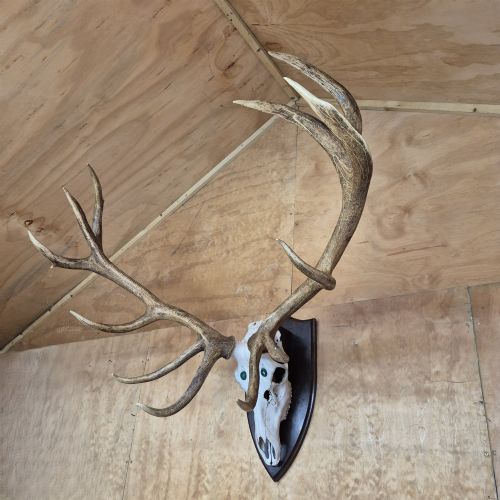
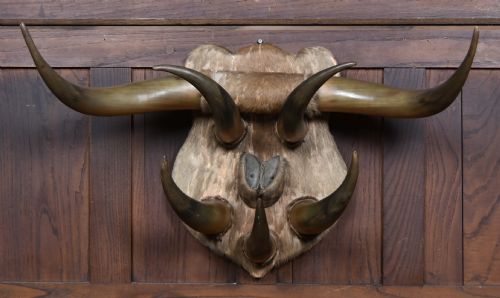
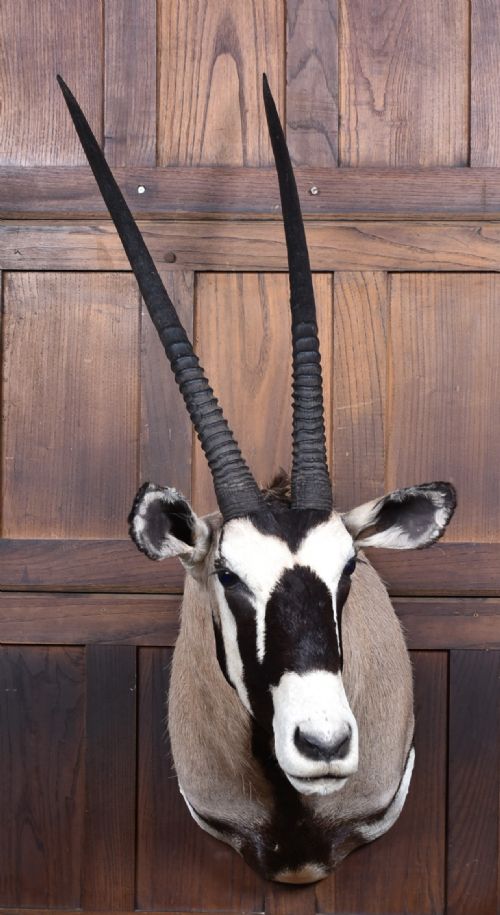
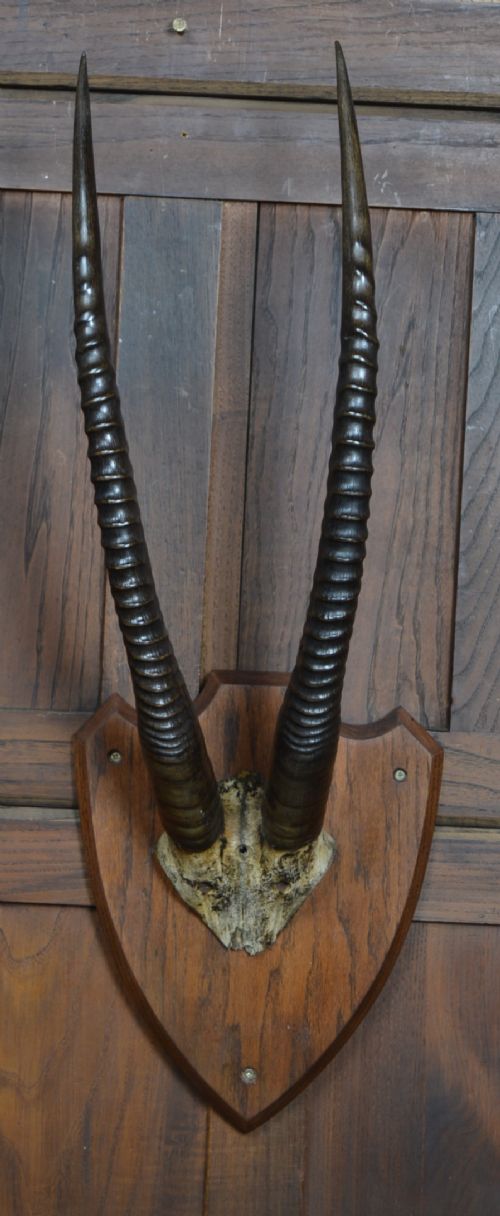
Buyers meet mounted antelope, gazelle, koodoo, springbuck, and sable horns, alongside red deer antlers, cattle horn arrangements, table gongs, inkwells, and coaching horns.
How they were made
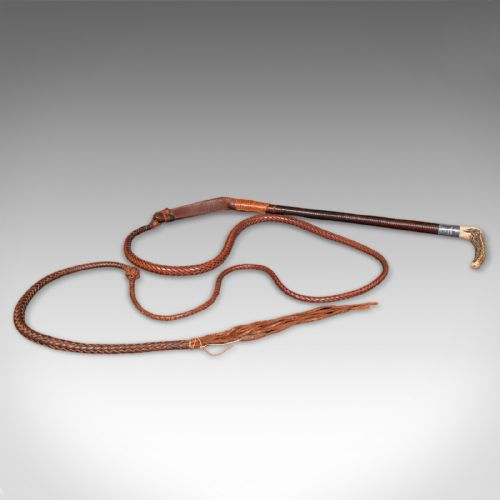
Craftsmen joined organic materials like horn, bone, hoof, and antler with sturdy structural woods such as oak and mounted them using brass, copper, white metal, and silver fittings.
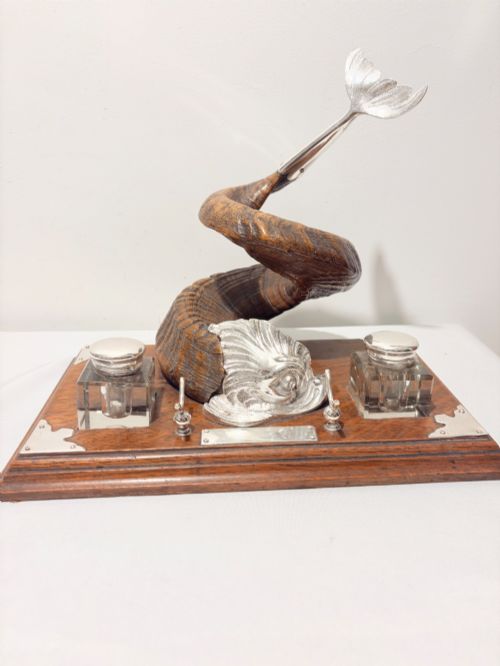
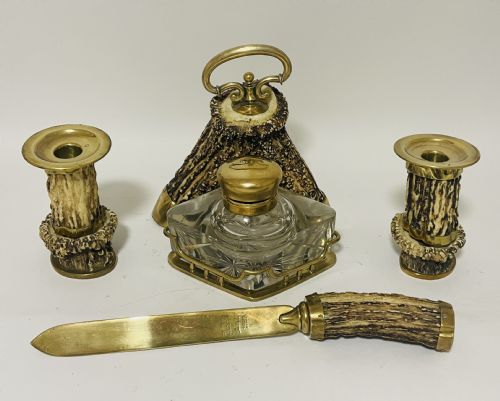
Taxidermy mounts and trophies required preservation and mounting techniques on carved wooden shields, while desk sets and inkwells combined metalwork with polished horn and equine hooves.
Antique Horn Decor Retail Price Guide 2026
Typical asking prices for horn decor among the pieces listed under this phrase on Sellingantiques today, from the lower quarter to the upper quarter. They describe what is for sale here now, not the wider market.
Listings feature items from the Victorian and Edwardian eras, incorporating natural horn, hoof, antler, oak, and silver mountings.
What varies in quality
Quality depends on the proportion and symmetry of the natural horn or antlers, the clean preservation of the taxidermy, and the integration of metal mounts in brass or silver.
Pieces featuring maker attribution or combined materials like Scottish oak, silver, and horn demonstrate finer craftsmanship than standard decorative objects.
Edward Gerrard and Sons·Swaine Adeney
The Antique Horn Decor Glossary
- Taxidermy mount
- The preserved skin, horns, or head of an animal prepared for display. These pieces capture Victorian sporting traditions.
- Epergne
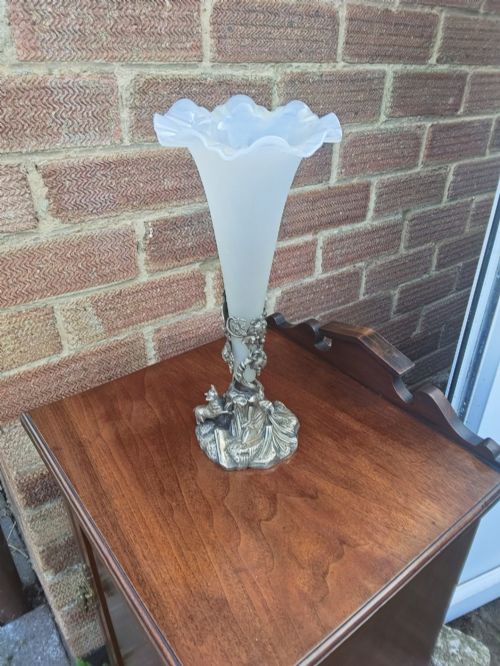
- A centrepiece table ornament featuring multiple dishes or holders. Versions incorporate decorative metal and glass.
- Coaching horn
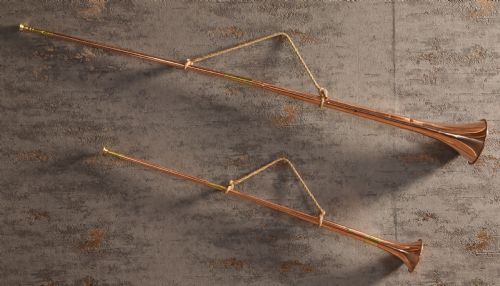
- A long brass or copper horn historically used by coachmen to signal arrival. They range from late nineteenth-century copper examples to sporting accessories.
- Table gong
- A percussion instrument mounted on a stand. In this category, items utilise cow horn and metal for domestic use.
- Desk stand
- A fitted tray for writing equipment. Examples combine Scottish oak, horn, and silver-mounted details.
Antique Horn Decor: Frequently Asked Questions
How do I clean antique horn decor?
Dust surfaces gently with a dry cloth. Avoid using harsh chemical cleaners or excessive moisture on organic horn and taxidermy materials.
Keep pieces away from direct sunlight and damp environments to protect the natural horn, bone, and wooden mounts.
Where were these pieces displayed historically?
These items populated country houses, estate smoking rooms, and studies during the Victorian and Edwardian periods. Sporting trophies and mounted horns reflected outdoor pursuits and exploration.
Desk sets and inkwells served functional roles in libraries and offices while retaining a rustic aesthetic.
How do I date a horn trophy?
Examine the mounting style, backing boards, and any associated metalwork in brass, copper, or silver. Victorian and Edwardian pieces often feature carved oak shields or specific taxidermy construction methods.
Documentation or maker stamps from firms like Edward Gerrard and Sons help establish a precise timeframe.
What is the difference between an antler mount and horn decor?
Antlers grow from bone and shed annually, appearing on red deer wall mounts and desk sets. Horns grow from keratin over a bony core and remain permanent, seen on gazelles, antelopes, and cow horn gongs.
Both materials share common usage in nineteenth-century country house and sporting interiors.